
Building a home is one of the most significant financial decisions a family will ever make. In a rapidly growing city like Bangalore, where land prices, material costs, and labour rates are constantly shifting, stepping into construction without a solid budget plan is a recipe for stress, delays, and unpleasant surprises. At GK Home Construction, we have guided hundreds of homeowners through the process of building their dream homes without breaking the bank. The key is not just having a number in your head — it is about understanding where every rupee goes, anticipating hidden costs, and making informed decisions at each stage of construction. This guide will walk you through practical, proven budget planning tips that can help you build your home in Bangalore smartly and confidently.
1. Understand the True Cost of Construction in Bangalore
Many people begin their construction journey by looking at a basic per-square-foot rate and assuming that is all they need to factor in. In Bangalore, the construction cost per square foot typically ranges between ₹1,800 and ₹3,500 depending on the quality of materials, design complexity, and the contractor you choose. However, this figure covers only the civil and structural work. When you add interior finishes, electrical wiring, plumbing, flooring, painting, and fixtures, the total cost can increase by 30 to 50 percent. On top of that, you must account for government approvals, BBMP plan sanction fees, BESCOM and BWSSB connection charges, and legal documentation costs. Having a realistic picture of the total investment from the very beginning will help you avoid financial shocks midway through the project.
2. Set a Clear Budget with a Contingency Buffer
Once you have a realistic cost estimate, the next step is to set a clearly defined budget before a single brick is laid. Your budget should be divided into major heads: land cost (if not already owned), construction cost, interior work, landscaping, and miscellaneous expenses. A commonly overlooked but critical component is a contingency buffer. Construction projects are dynamic, and unforeseen situations — unexpected soil conditions, material price hikes, design modifications — are the norm rather than the exception. Experienced builders in Bangalore recommend keeping a contingency fund of at least 10 to 15 percent of your total project cost. This buffer is not money you plan to spend; it is a financial safety net that ensures your project does not stall when the unexpected happens.
3. Choose the Right Construction Package for Your Needs
In Bangalore, most reputed builders offer tiered construction packages — typically categorised as basic, standard, and premium. Selecting the right package aligned with your lifestyle needs and budget is a crucial decision. A basic package usually covers standard materials such as conventional bricks, ordinary cement plaster, and basic sanitary fittings. A standard package upgrades several elements like branded bathroom fittings, vitrified tile flooring, and modular switches. A premium package includes high-end finishes, imported tiles, premium woodwork, and smart home integrations. Rather than choosing a package purely on price, evaluate what each package includes and assess where you genuinely need quality upgrades versus where you can be cost-conscious. For example, investing in good-quality waterproofing and structural steel is far more critical long-term than splurging on decorative ceiling work.
4. Plan Your Floor Plan Wisely to Reduce Costs
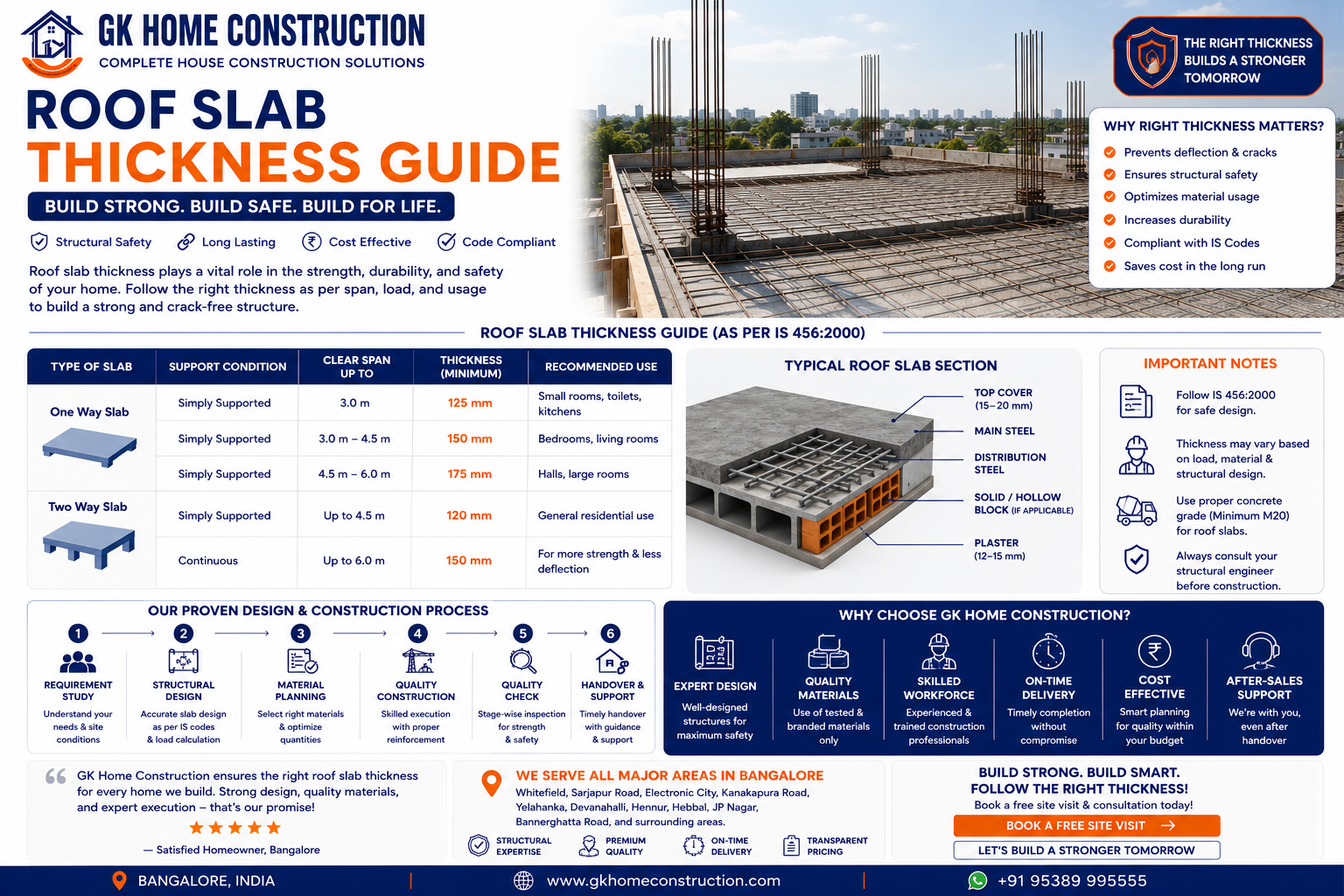
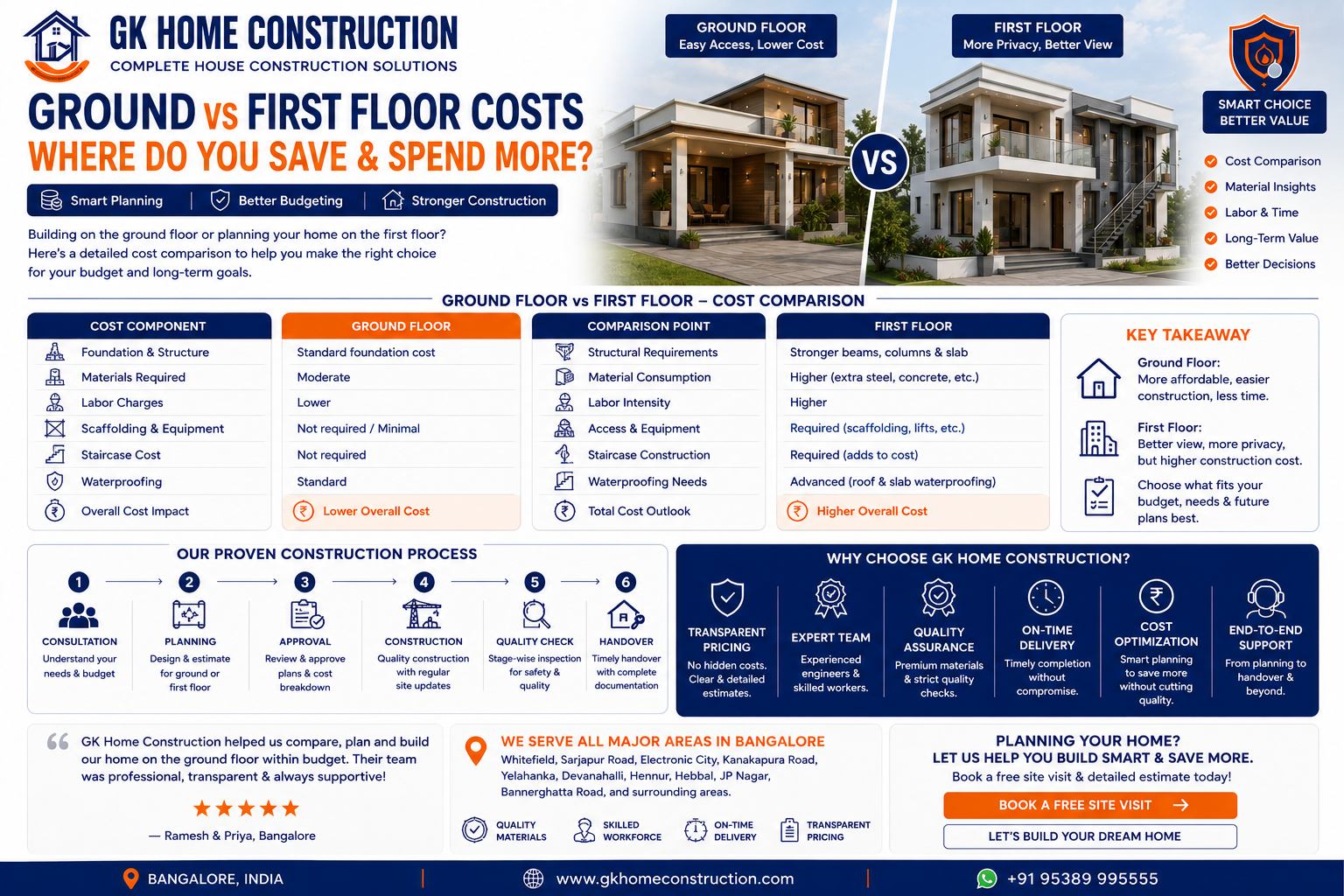
Your floor plan has a direct impact on your construction budget. A compact, well-thought-out floor plan is almost always more economical to build than a sprawling, irregularly shaped one. Homes with complex shapes, multiple levels of height variation, or numerous cut-outs in the roof slab require more formwork, labour, and material — all of which drive up costs. In Bangalore's context, where plot sizes in areas like Whitefield, Sarjapur Road, and Yelahanka vary considerably, working with an architect or design-build firm early in the process ensures your plan is both functional and cost-efficient. Vertical construction — building a two-floor or three-floor home on a smaller footprint — is often more economical per square foot than spreading the same built-up area across a single floor. Discuss layout optimisation with your construction team before finalising the design.
5. Source Materials Smartly and Avoid Wastage
Material costs account for nearly 50 to 60 percent of the total construction cost in most residential projects. In Bangalore, you have access to a wide variety of suppliers across areas like Kengeri, Rajajinagar, and Peenya Industrial Estate. One of the smartest ways to manage costs is to plan material procurement in advance rather than buying on a need basis. Bulk purchasing of materials like cement and steel can fetch you better rates and also protects you from sudden price escalations. Ask your contractor to provide detailed material estimates before the project begins, and cross-verify with independent suppliers. Additionally, instruct your site supervisor to monitor material usage carefully, as poor site management often leads to 10 to 15 percent wastage that directly translates to unnecessary expense.
6. Track Expenses Stage by Stage
Construction happens in distinct stages — foundation, structure, brickwork, plastering, electrical and plumbing, flooring, painting, and finishing. Each stage has an approximate cost allocation, and tracking your spending at each milestone is one of the most effective budget management strategies you can adopt. At GK Home Construction, we provide our clients with stage-wise cost breakdowns and progress reports so they always know how much has been spent and how much remains. This practice prevents budget overruns from sneaking up on you and allows you to make informed adjustments — such as simplifying an interior feature or deferring a landscaping element — without derailing the entire project. Never make lump-sum payments without verifying stage completion.
7. Understand Home Loan Options and Plan Your Cash Flow
If you are financing your construction through a home loan, understanding how construction loans work in Bangalore is essential. Unlike a flat purchase loan, a self-construction home loan is disbursed in tranches linked to construction stages. Banks in Bangalore — including SBI, HDFC, ICICI, and others — typically release funds based on site inspections at each stage. This means you cannot access the full loan amount upfront, and your cash flow planning must align with this disbursement schedule. Ensure your personal funds are sufficient to bridge gaps between disbursements. Also, compare interest rates, processing fees, and pre-payment penalties across multiple lenders before finalising. A small difference in interest rate across a 20-year loan tenure can translate to significant savings.
Final Thoughts
Building a home in Bangalore is an exciting journey, and with the right budget planning, it does not have to be a financially draining one. The key lies in going in with clear eyes — understanding real costs, setting a realistic budget, choosing the right construction package, optimising your design, managing materials efficiently, tracking stage-wise expenses, and aligning your loan disbursements with your cash flow. At GK Home Construction, we believe that a well-planned budget is the foundation of a stress-free construction experience. If you are planning to build your home in Bangalore and want expert guidance on budgeting and execution, our team is here to help you every step of the way.