The Importance of Soil Testing Before House Construction
Building a home is one of the most significant investments a person makes in their lifetime. Every homeowner dreams of a sturdy, long-lasting structure that stands strong for generations. However, one of the most critical yet frequently overlooked steps in the construction process is soil testing. Before a single brick is laid or a foundation is poured, understanding the ground beneath your feet can make the difference between a home that thrives and one that crumbles over time. Soil testing is not just a technical formality — it is the backbone of safe and smart construction.
What is Soil Testing and Why Does It Matter?
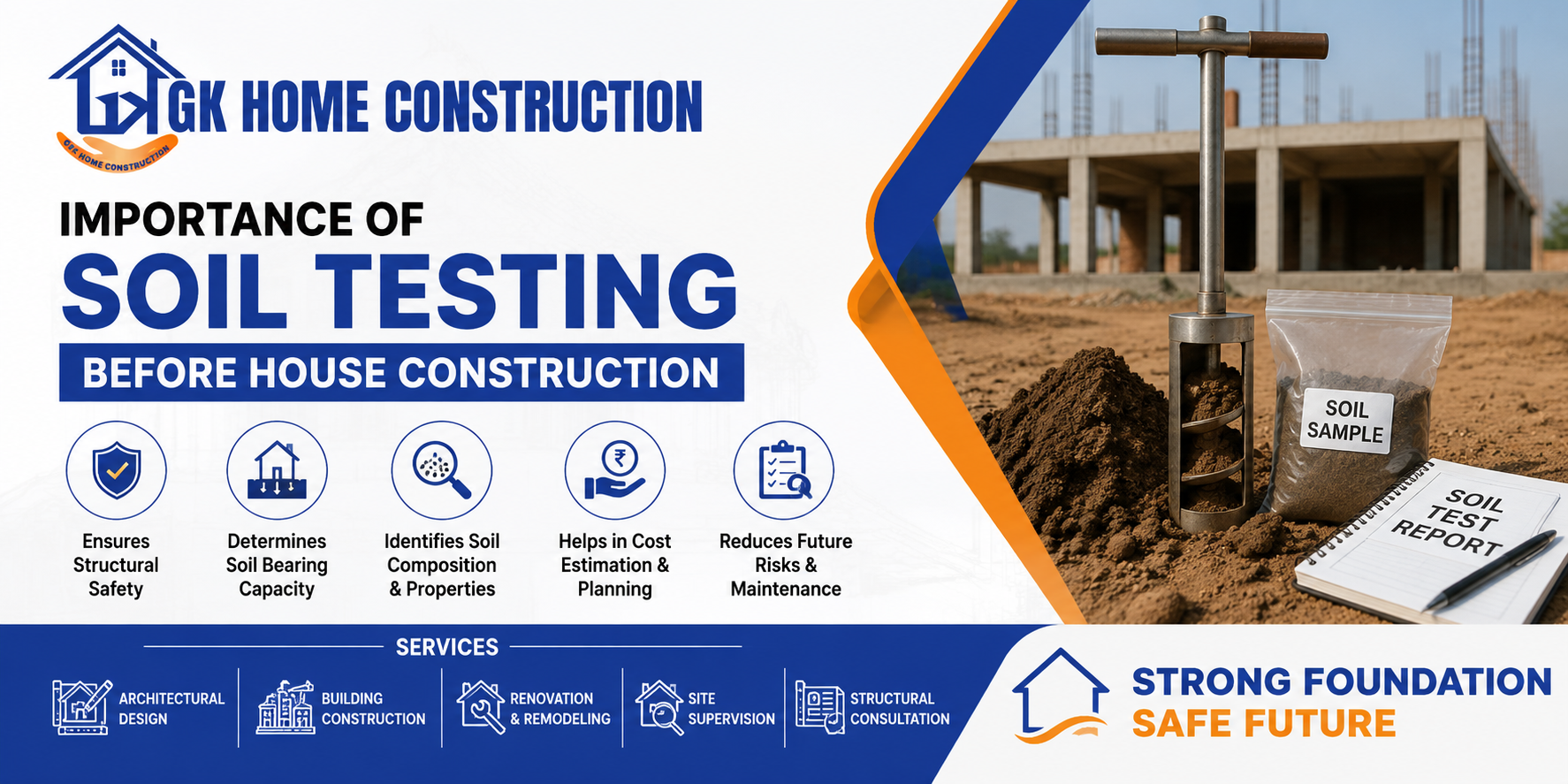
Soil testing is a scientific process that evaluates the physical and chemical properties of the ground on which a structure will be built. It involves collecting soil samples from different depths and locations of the plot, then analyzing them in a laboratory to determine characteristics such as bearing capacity, moisture content, composition, compressibility, and chemical reactivity. The results of these tests give engineers and architects the precise data they need to design a foundation that perfectly suits the ground conditions of that specific site.
Every plot of land is unique. Two neighboring sites can have dramatically different soil compositions, and what works structurally for one may be completely unsuitable for the other. This is why relying on assumptions or generalizations about soil quality is a dangerous approach in construction. Soil testing removes the guesswork and replaces it with data-driven decision-making that protects both your investment and your family's safety.
Understanding Bearing Capacity — The Foundation of Your Foundation
One of the primary objectives of soil testing is to determine the bearing capacity of the soil. Bearing capacity refers to the maximum load the soil can support without undergoing excessive settlement or structural failure. If a foundation is designed without knowing the actual bearing capacity of the soil, the structure risks uneven settling, cracks in walls and floors, and in extreme cases, complete structural collapse.
Different types of soil behave very differently under load. Sandy soils drain water quickly but may shift under pressure. Clay-heavy soils expand when wet and contract when dry, creating continuous stress on the foundation. Rocky or gravel-based soils typically offer high bearing capacity, while loose or filled soils may require deep pile foundations to reach stable ground. Soil testing identifies exactly what type of ground you are dealing with and allows engineers to calculate the correct foundation depth, width, and type to distribute the weight of the structure safely and evenly.
Detecting Moisture Levels and Water Table Depth
Water is one of the most destructive forces in construction when not properly accounted for. Soil testing accurately measures the moisture content of the soil and determines the depth of the water table beneath the plot. A high water table can cause serious problems including basement flooding, foundation uplift, and long-term erosion of the soil beneath the structure. In regions with seasonal rainfall like much of South India, water table levels can fluctuate dramatically, making this analysis even more essential.
When soil testing reveals elevated moisture levels or a shallow water table, construction engineers can recommend waterproofing solutions, drainage systems, and appropriate foundation designs such as raft foundations or pile foundations to counteract these challenges. Without this information, a homeowner may spend lakhs of rupees on repairs within just a few years of construction, dealing with damp walls, cracked floors, and compromised structural integrity — problems that are entirely preventable with proper pre-construction testing.
Identifying Chemical Properties That Can Damage Your Structure
Beyond physical properties, soil testing also examines the chemical composition of the ground. Certain soils contain high concentrations of sulfates, chlorides, or other reactive compounds that can chemically attack concrete and steel reinforcement over time. This type of damage is invisible in the early years of a structure's life but gradually weakens the foundation and structural elements from within, leading to costly repairs or even demolition in severe cases.
In areas near industrial zones, former agricultural lands, or coastal regions, soil contamination is a real and serious concern. Chemical soil analysis helps identify the presence of such harmful compounds so that the right grade of cement, anti-corrosion coatings for steel, and protective treatments can be specified from the very beginning of construction. This proactive approach ensures the longevity of the structure and protects your long-term investment.
Ensuring Compliance with Legal and Safety Standards
In India, soil testing before construction is increasingly being recognized as a regulatory requirement by local municipal bodies and development authorities. IS 1892 (Indian Standard Code for Site Investigations for Foundations) and other BIS codes outline the importance of geotechnical investigations for residential and commercial construction. Skipping soil testing not only puts the safety of occupants at risk but can also lead to legal complications, rejection of building plans, or issues during property resale.
For homeowners working with reputable construction companies, soil testing is a standard part of the pre-construction process. It demonstrates professional responsibility, engineering integrity, and a genuine commitment to delivering a safe home rather than just a fast one.
Saving Money in the Long Run
Many homeowners hesitate when they hear about soil testing costs, viewing it as an unnecessary additional expense. However, this perspective is shortsighted. The cost of a comprehensive soil test is a fraction of what it would cost to repair a damaged foundation, fix structural cracks, or address waterlogging issues after construction is complete. In many cases, soil testing actually saves money by revealing that simpler, less expensive foundation types are sufficient, avoiding over-engineering the structure unnecessarily.
Think of soil testing as an insurance policy for your home — a small investment upfront that protects a massive long-term financial commitment.
Conclusion
A beautiful home begins long before the walls rise — it begins with understanding the ground it stands on. Soil testing is a non-negotiable step in responsible home construction. It ensures structural safety, prevents costly future problems, protects against natural and chemical threats, and ensures your home is built with complete knowledge of its environment. At GK Home Construction, we believe every family deserves a home built on a strong, tested, and trusted foundation. Before you build your dream, test the ground beneath it.