What Does a House Construction Package Actually Include?
GK’s Guide for Homeowners.
Building a home is one of the most significant investments in a person’s life, both emotionally and financially. Still, for many homeowners, the process often feels overwhelming—especially when trying to understand what exactly is included in a “construction package.” Terms like turnkey, basic, premium, and custom packages are frequently used, but without clarity, they can lead to confusion, unexpected costs, and delays.
At GK Home Construction, we believe that informed homeowners make better decisions, which is why this guide breaks down what a typical house construction package actually includes.
Understanding the Concept of a Construction Package
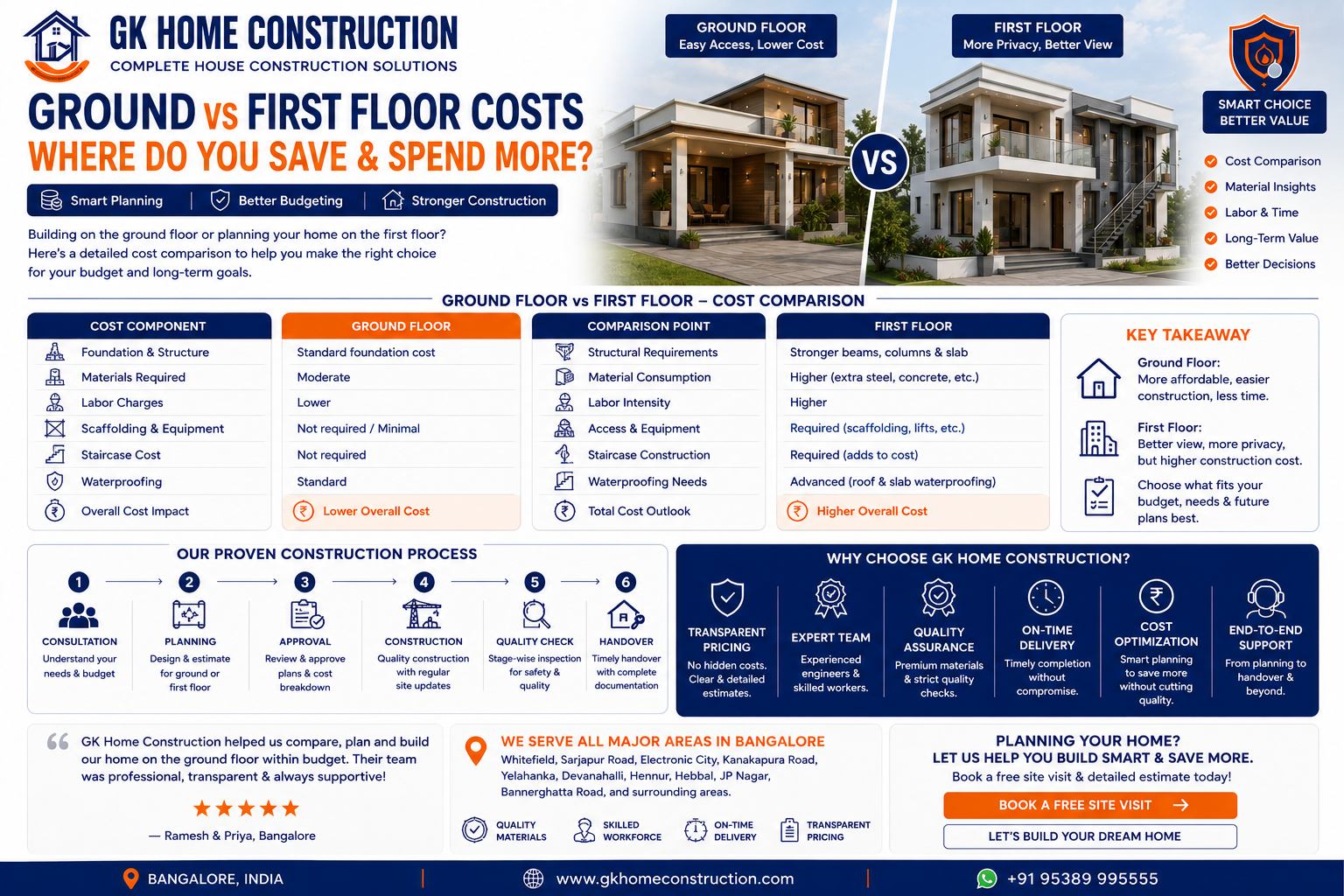
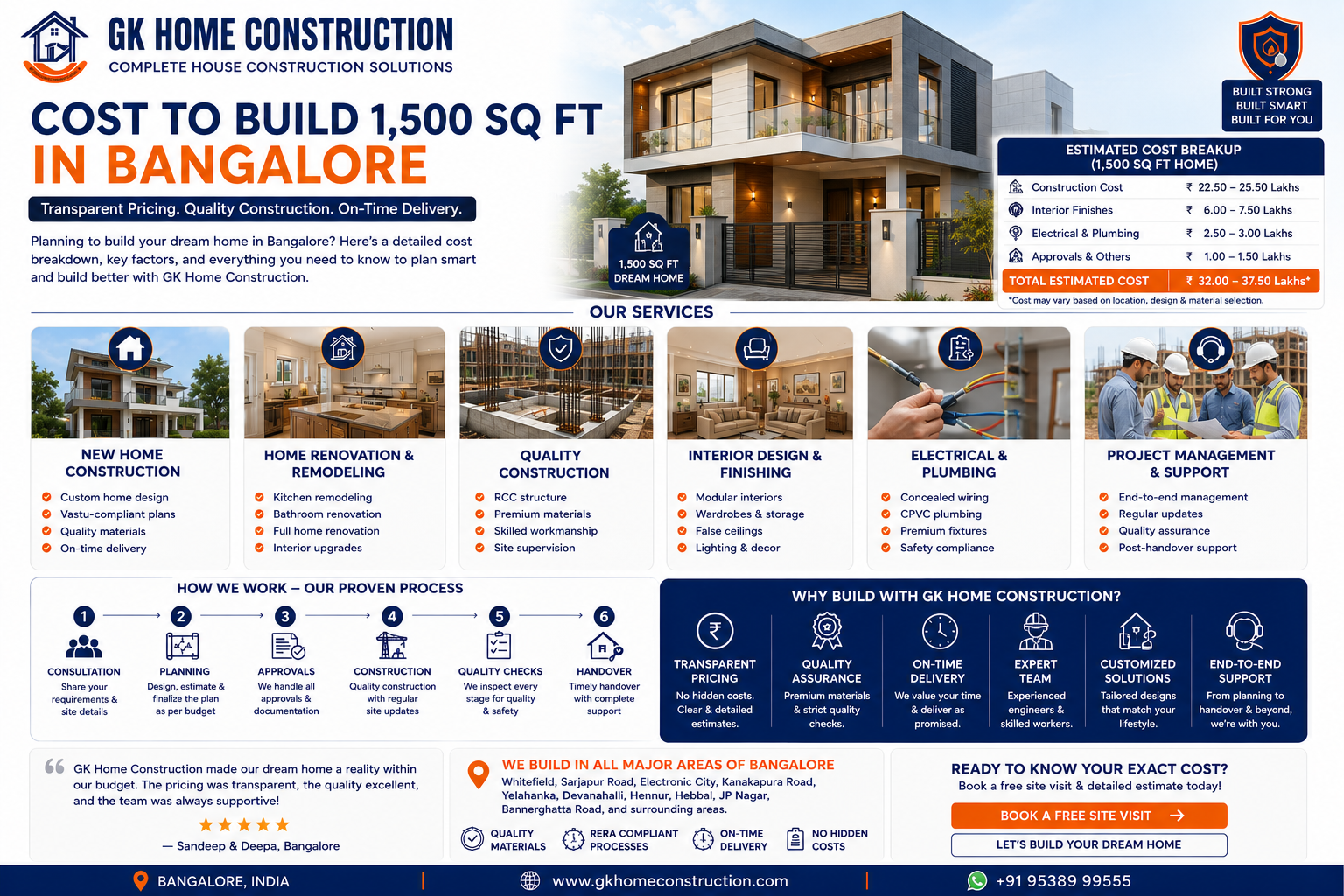
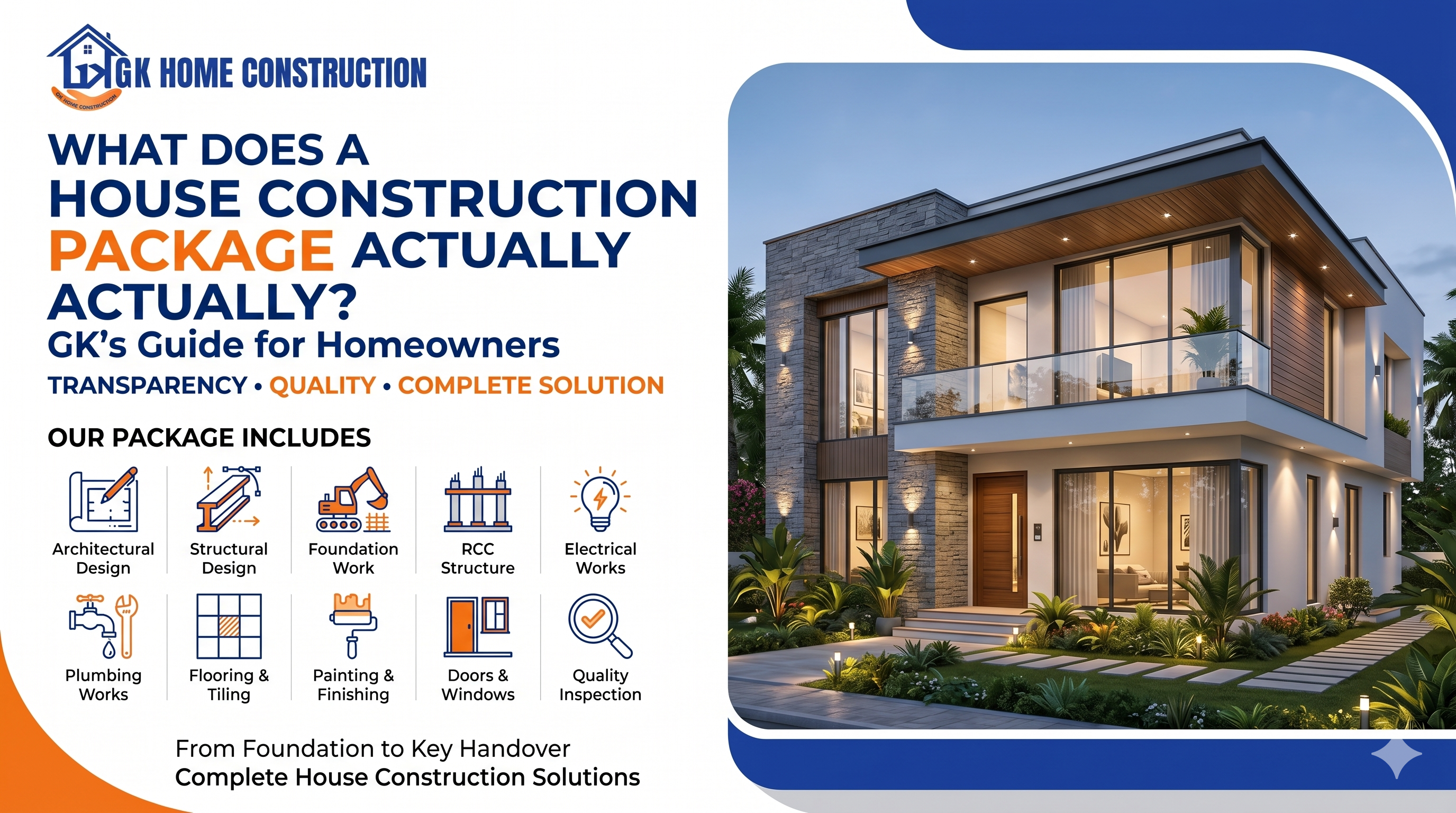
A house construction package is a bundled offering from a construction company that includes the various stages and services required to build a home. Instead of hiring multiple contractors separately for design, approvals, materials, and labor, a package consolidates everything into a single agreement. This not only simplifies the process but also ensures better coordination, cost control, and accountability.However, not all packages are created equal. The inclusions can vary widely depending on the builder, pricing tier, and customization level. That’s why it’s crucial to understand the components in detail before making a commitment.
Design and Planning Services
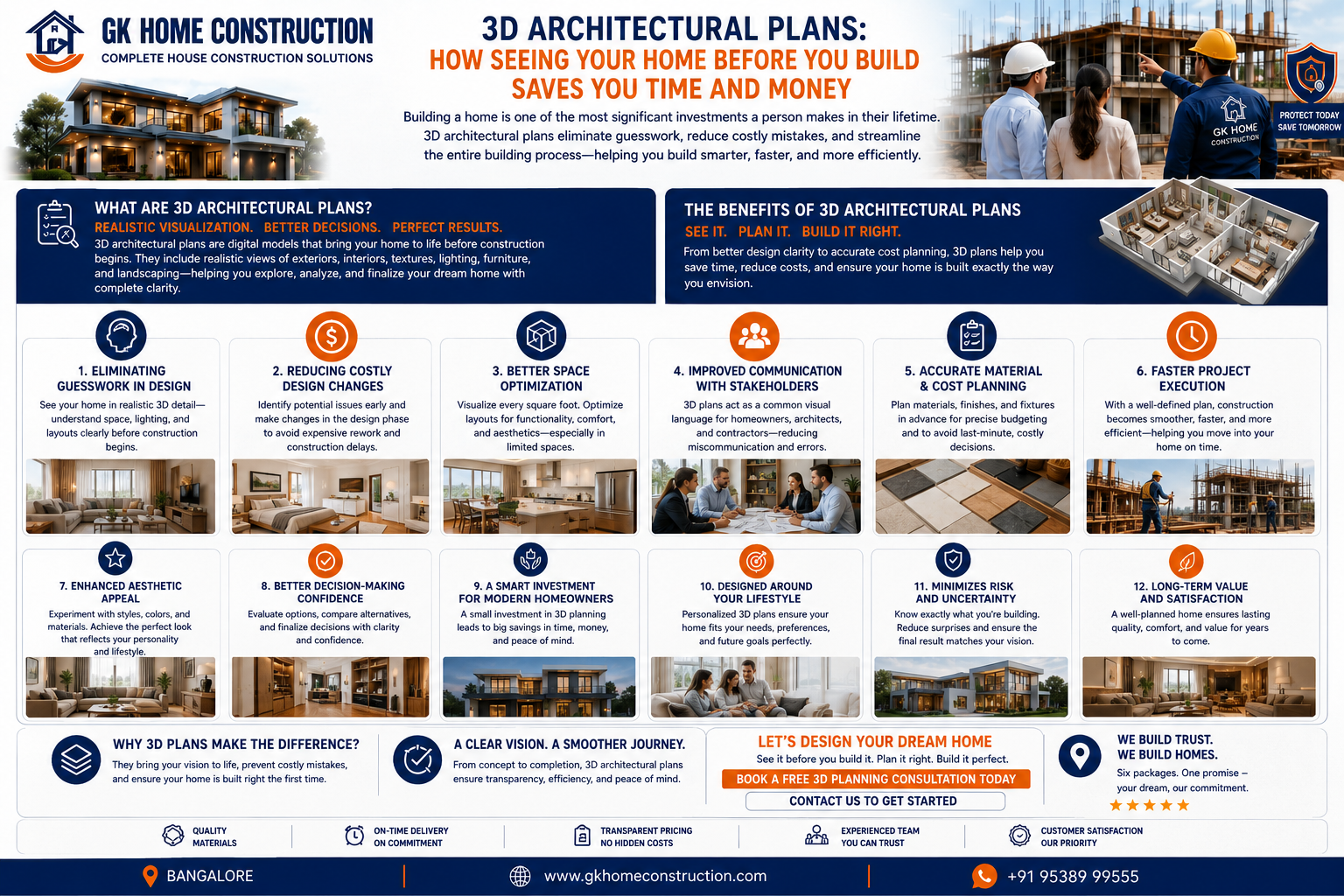
The first and most fundamental part of any construction package is the design and planning phase. This includes architectural drawings, floor plans, and structural designs tailored to your requirements and plot dimensions. A good package will also include 2D layouts and, in some cases, 3D elevation designs to help you visualize your future home.In addition to aesthetics, this stage ensures that the building is structurally sound and compliant with local regulations. Some premium packages may also include interior layout planning, Vastu consultation (if required), and revisions based on client feedback. This phase sets the foundation for the entire project, making it one of the most valuable inclusions.
The first and most fundamental part of any construction package is the design and planning phase. This includes architectural drawings, floor plans, and structural designs tailored to your requirements and plot dimensions. A good package will also include 2D layouts and, in some cases, 3D elevation designs to help you visualize your future home.
In addition to aesthetics, this stage ensures that the building is structurally sound and compliant with local regulations. Some premium packages may also include interior layout planning, Vastu consultation (if required), and revisions based on client feedback. This phase sets the foundation for the entire project, making it one of the most valuable inclusions.
Approvals and Legal Documentation
Navigating government approvals can be a complex and time-consuming process for homeowners. A comprehensive construction package often includes assistance with obtaining necessary permissions from local authorities. This may involve plan approvals, building permits, and basic documentation required to start construction.While not all packages include complete legal handling, many builders offer support or guidance to ensure compliance with local building codes. It’s important to clarify the extent of this service, as delays in approvals can significantly impact project timelines.
Navigating government approvals can be a complex and time-consuming process for homeowners. A comprehensive construction package often includes assistance with obtaining necessary permissions from local authorities. This may involve plan approvals, building permits, and basic documentation required to start construction.
While not all packages include complete legal handling, many builders offer support or guidance to ensure compliance with local building codes. It’s important to clarify the extent of this service, as delays in approvals can significantly impact project timelines.
Site Preparation and Foundation Work
Before construction begins, the site must be prepared. This includes clearing the land, leveling the ground, and marking the layout based on the approved plan. The foundation work follows, which is one of the most critical structural components of the building.A standard package will cover excavation, footing, and foundation construction using appropriate materials based on soil conditions. The strength and durability of your home largely depend on the quality of this phase, so it should never be compromised.
Before construction begins, the site must be prepared. This includes clearing the land, leveling the ground, and marking the layout based on the approved plan. The foundation work follows, which is one of the most critical structural components of the building.
A standard package will cover excavation, footing, and foundation construction using appropriate materials based on soil conditions. The strength and durability of your home largely depend on the quality of this phase, so it should never be compromised.
Structural Construction
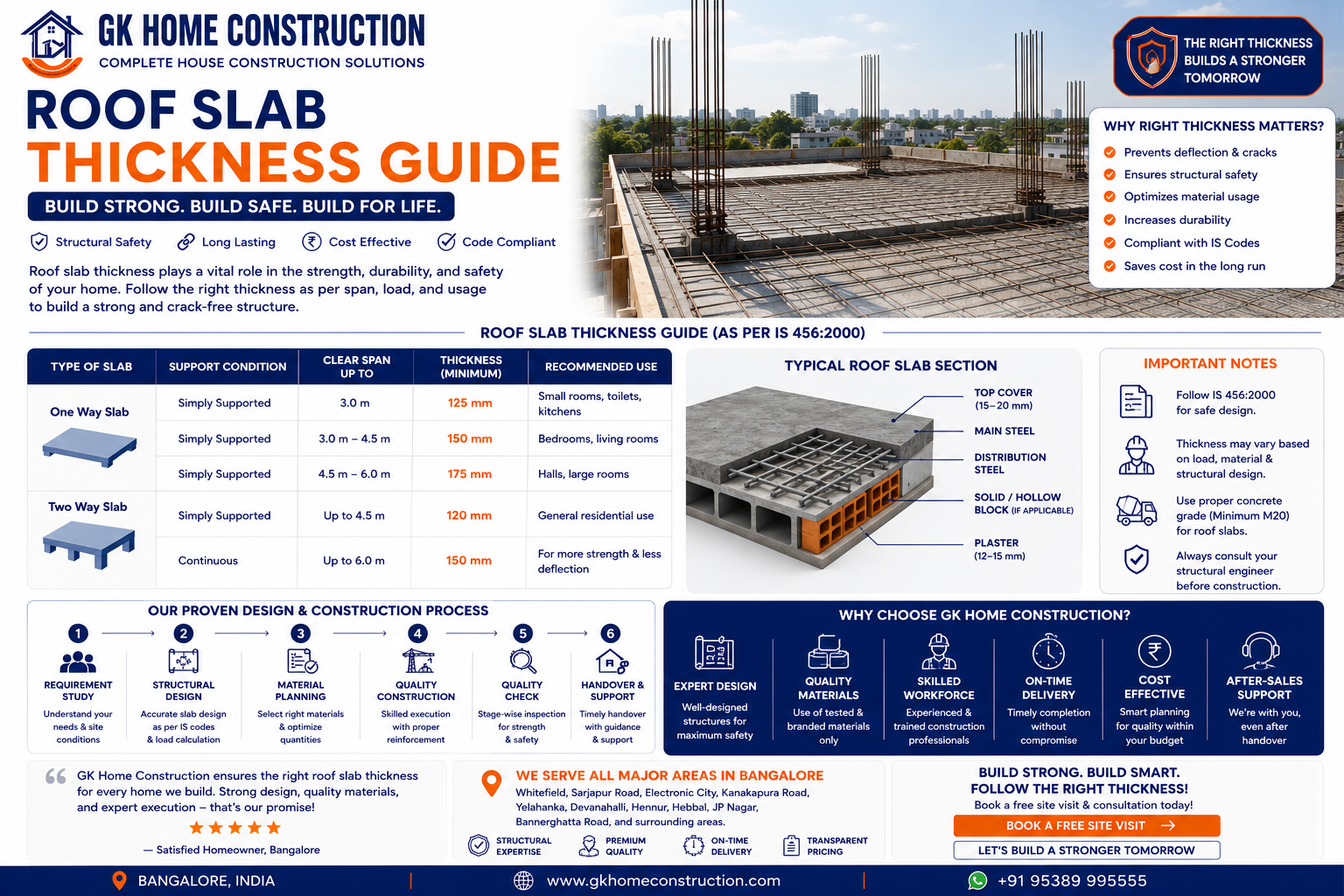
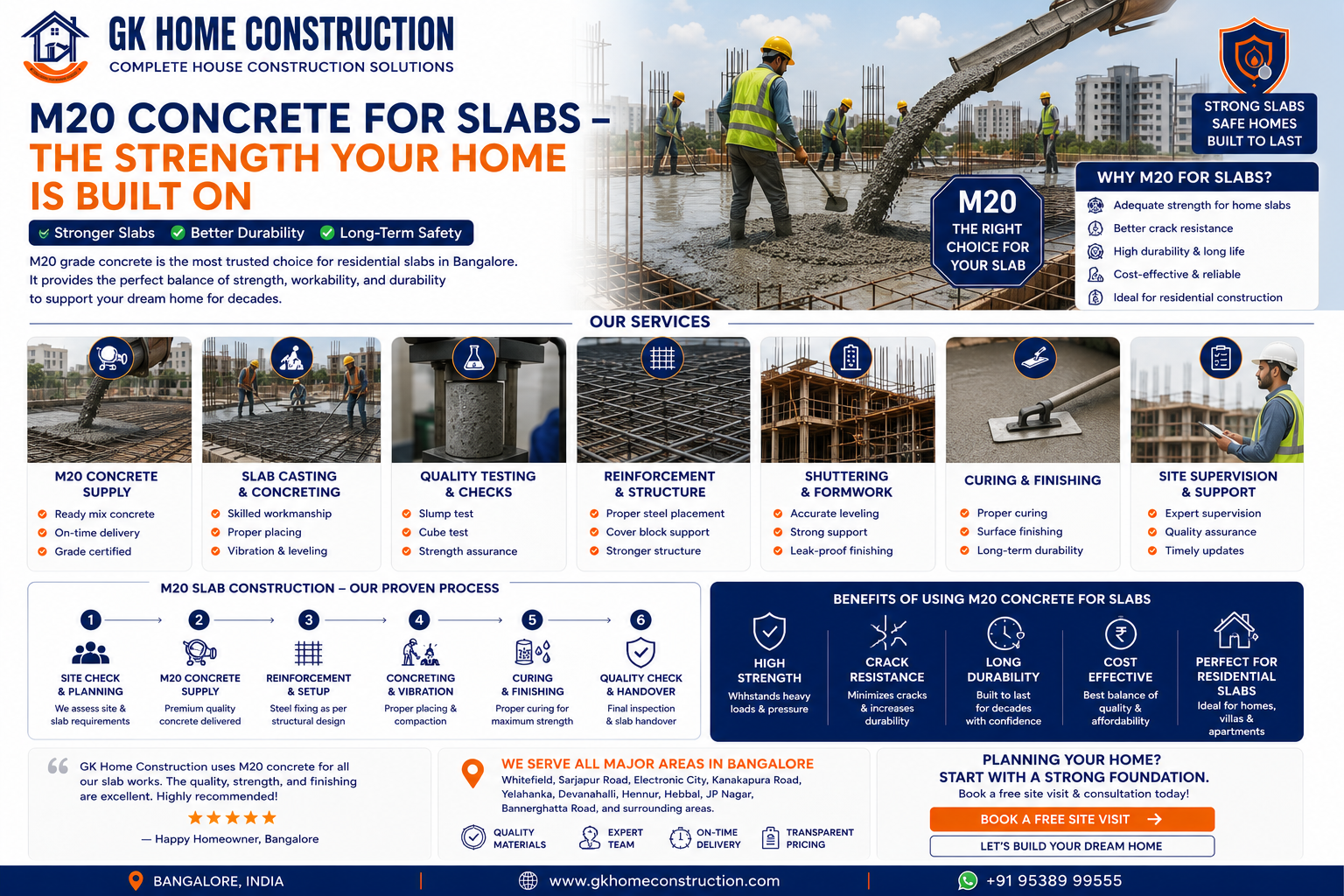
The structural framework forms the skeleton of the house. This includes columns, beams, slabs, and walls. Most construction packages specify the grade of materials used, such as concrete mix (e.g., M20 or M25), steel reinforcement, and brick or block work.This phase also includes roofing and staircase construction. A transparent package will clearly define material specifications and construction standards, helping homeowners understand what they are paying for. Structural work is typically the largest portion of the construction cost, making clarity here essential.
The structural framework forms the skeleton of the house. This includes columns, beams, slabs, and walls. Most construction packages specify the grade of materials used, such as concrete mix (e.g., M20 or M25), steel reinforcement, and brick or block work.
This phase also includes roofing and staircase construction. A transparent package will clearly define material specifications and construction standards, helping homeowners understand what they are paying for. Structural work is typically the largest portion of the construction cost, making clarity here essential.
Electrical and Plumbing Works
Modern homes rely heavily on efficient electrical and plumbing systems. A well-defined construction package includes basic electrical wiring, switchboards, and plumbing pipelines. This may also cover provisions for geysers, washing machines, and kitchen appliances.However, the level of fittings and fixtures can vary. Basic packages may include standard switches and pipes, while premium options may offer branded fittings, concealed wiring, and advanced layouts. Understanding these differences can help avoid misunderstandings during execution.
Modern homes rely heavily on efficient electrical and plumbing systems. A well-defined construction package includes basic electrical wiring, switchboards, and plumbing pipelines. This may also cover provisions for geysers, washing machines, and kitchen appliances.
However, the level of fittings and fixtures can vary. Basic packages may include standard switches and pipes, while premium options may offer branded fittings, concealed wiring, and advanced layouts. Understanding these differences can help avoid misunderstandings during execution.
Flooring, Tiling, and Finishes
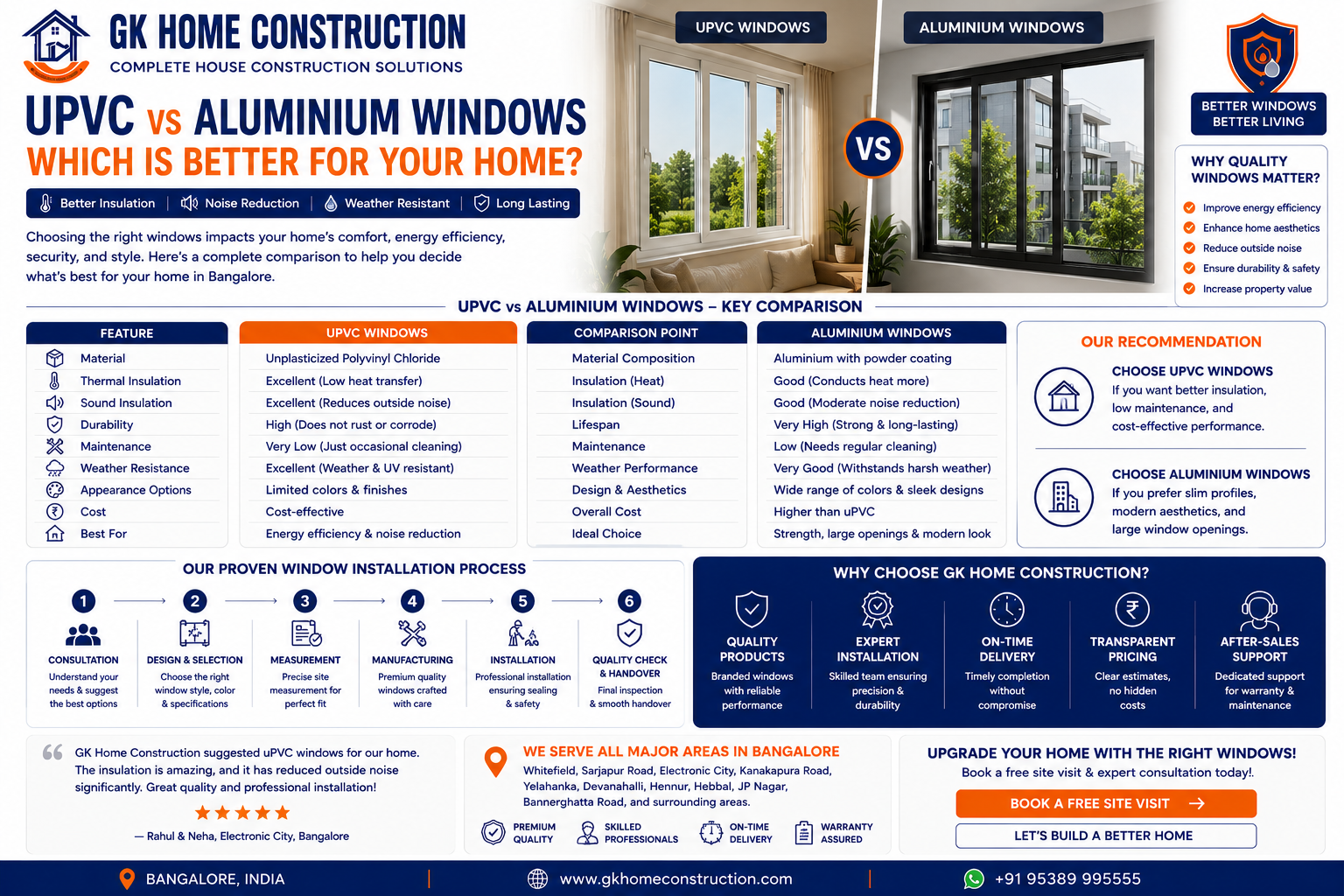
Finishing work is what gives your home its visual appeal. This includes flooring, wall tiling, plastering, and painting. Most packages specify the type of tiles, paint quality, and finish level included in the price.For example, a basic package might include standard ceramic tiles and emulsion paint, while a premium package may offer vitrified tiles, designer wall finishes, and high-quality paints. Doors, windows, and carpentry basics are also part of this stage. Since finishes greatly impact the look and feel of your home, this is where customization often comes into play.
Finishing work is what gives your home its visual appeal. This includes flooring, wall tiling, plastering, and painting. Most packages specify the type of tiles, paint quality, and finish level included in the price.
For example, a basic package might include standard ceramic tiles and emulsion paint, while a premium package may offer vitrified tiles, designer wall finishes, and high-quality paints. Doors, windows, and carpentry basics are also part of this stage. Since finishes greatly impact the look and feel of your home, this is where customization often comes into play.
Kitchen and Bathroom Essentials
Construction packages typically include basic provisions for kitchens and bathrooms. This may involve platform construction, sink installation, and standard fittings. Bathrooms usually include essential fixtures such as toilets, wash basins, and basic accessories.Higher-end packages may include modular kitchen setups, branded sanitaryware, and designer fittings. It’s important to review the specifications carefully, as these areas often require upgrades based on personal preferences.
Construction packages typically include basic provisions for kitchens and bathrooms. This may involve platform construction, sink installation, and standard fittings. Bathrooms usually include essential fixtures such as toilets, wash basins, and basic accessories.
Higher-end packages may include modular kitchen setups, branded sanitaryware, and designer fittings. It’s important to review the specifications carefully, as these areas often require upgrades based on personal preferences.
What Is Usually Not Included?
While construction packages cover a wide range of services, certain items are often excluded unless specified. These may include interior design, furniture, advanced automation systems, and premium landscaping. Utility connections such as electricity and water may also be handled separately.Being aware of these exclusions helps in budgeting more accurately and avoiding surprises later in the project.
While construction packages cover a wide range of services, certain items are often excluded unless specified. These may include interior design, furniture, advanced automation systems, and premium landscaping. Utility connections such as electricity and water may also be handled separately.
Being aware of these exclusions helps in budgeting more accurately and avoiding surprises later in the project.
Choosing the Right Package for Your Needs
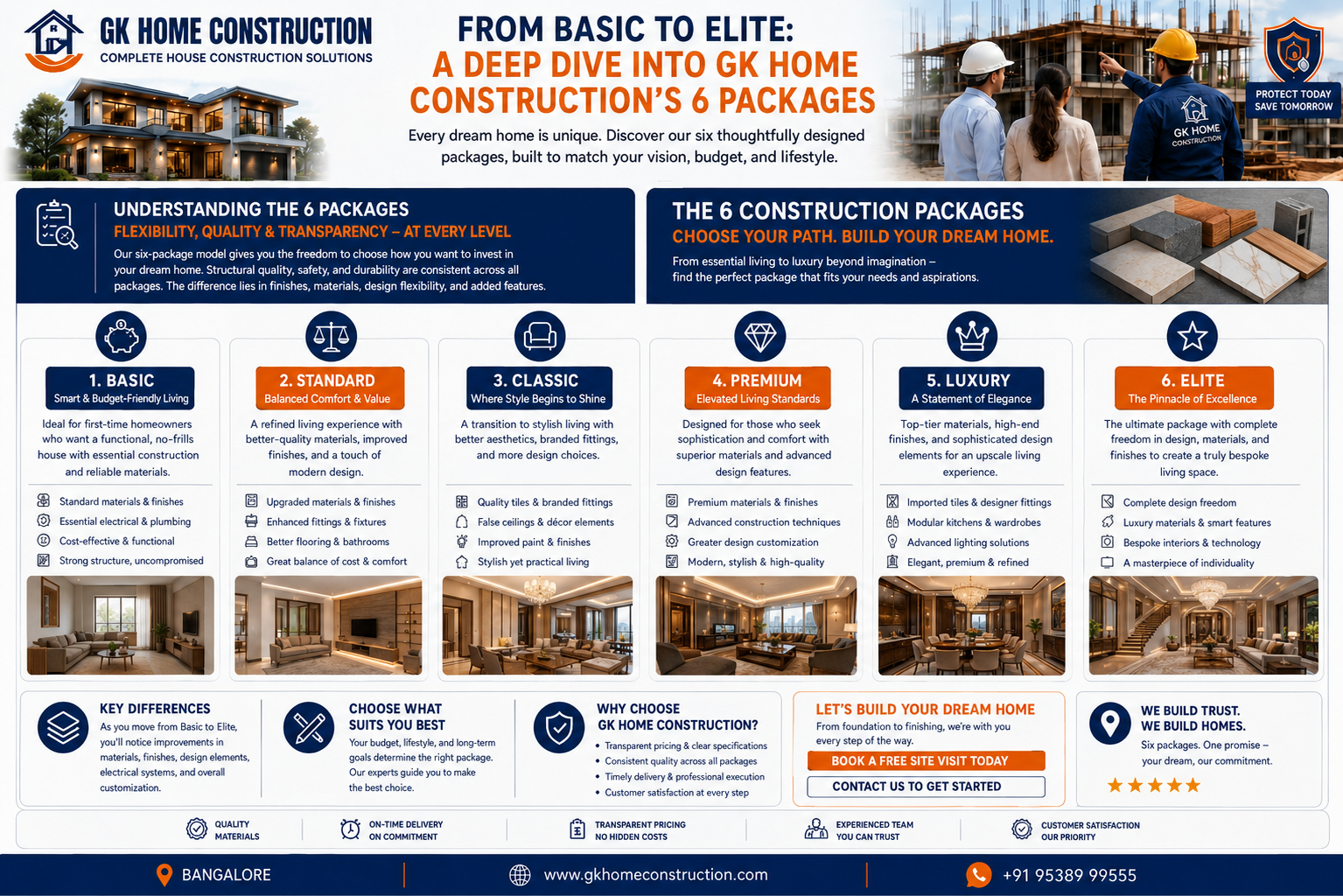
Selecting the right construction package depends on your budget, expectations, and level of involvement. A basic package may be suitable for those looking for cost efficiency, while a premium package offers better aesthetics and convenience. Custom packages provide flexibility but may require more decision-making.At GK Home Construction, the focus is on transparency and customization. Every homeowner has unique requirements, and a well-structured package should reflect that. Clear communication, detailed specifications, and a reliable execution team are the key factors that define a successful construction experience.
Selecting the right construction package depends on your budget, expectations, and level of involvement. A basic package may be suitable for those looking for cost efficiency, while a premium package offers better aesthetics and convenience. Custom packages provide flexibility but may require more decision-making.
At GK Home Construction, the focus is on transparency and customization. Every homeowner has unique requirements, and a well-structured package should reflect that. Clear communication, detailed specifications, and a reliable execution team are the key factors that define a successful construction experience.
Final Thoughts
A house construction package is more than just a pricing model—it’s a comprehensive solution that brings together design, materials, labor, and execution under one roof. Understanding what is included (and what is not) empowers homeowners to make informed decisions and ensures a smoother building journey.
A house construction package is more than just a pricing model—it’s a comprehensive solution that brings together design, materials, labor, and execution under one roof. Understanding what is included (and what is not) empowers homeowners to make informed decisions and ensures a smoother building journey.