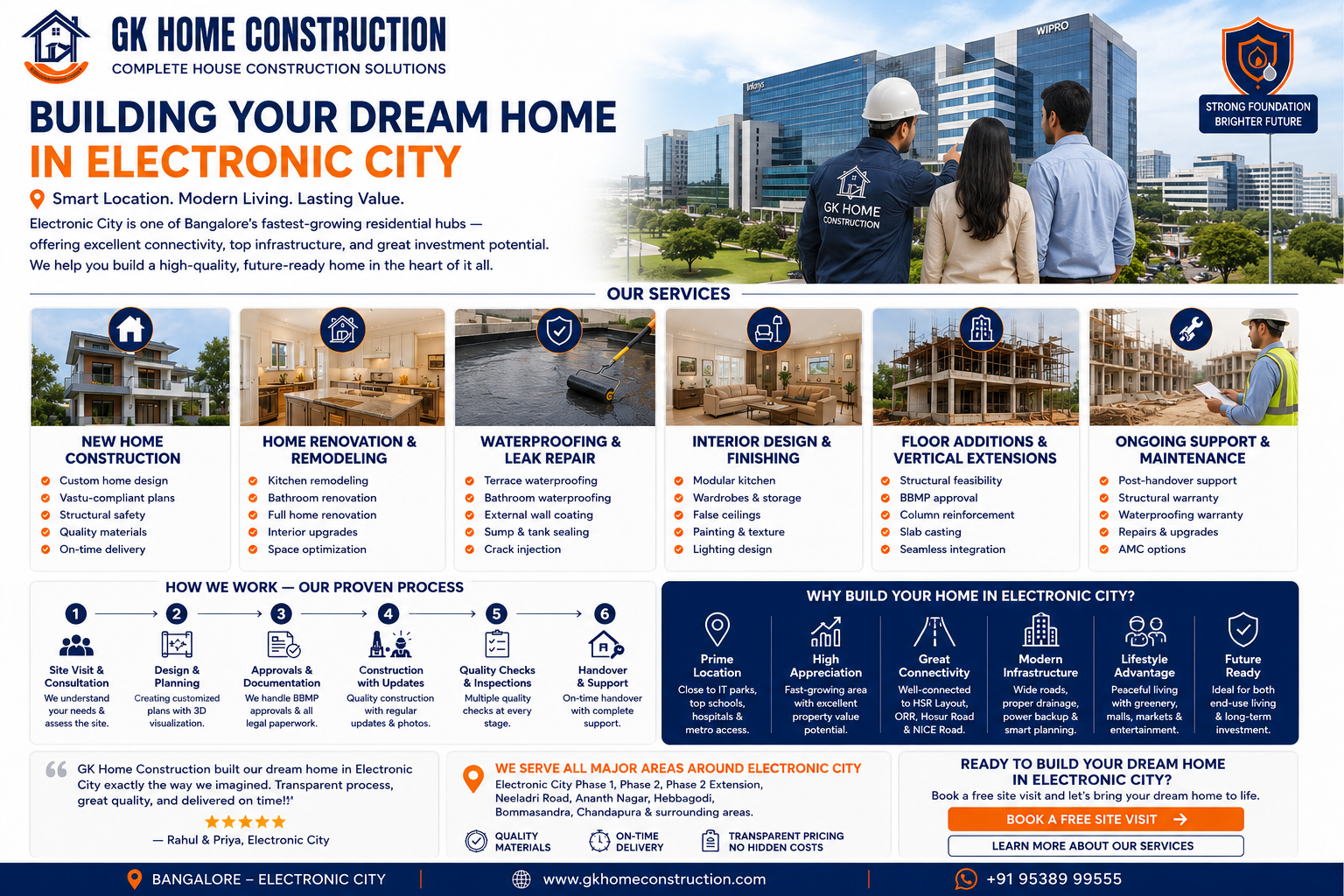
Building a Home in Electronic City: What You Need to Know Before You Start
Building your dream home is an exciting journey, but its success depends heavily on the location you choose. Electronic City, one of Bangalore’s most prominent IT hubs, has rapidly evolved into a preferred residential destination for homeowners and investors alike. However, before you begin construction in this fast-growing locality, it’s essential to understand the area from multiple perspectives—connectivity, infrastructure, legal aspects, and future growth potential.
Understanding the Growth of Electronic City
Electronic City is not just another residential area; it is a well-planned township that has grown alongside Bangalore’s booming IT industry. With major tech parks and multinational companies located here, the area has seen consistent development over the past two decades. This growth has directly influenced real estate demand, making it a strategic location for building a home.
The presence of large employment hubs means that the demand for housing—both owned and rental—remains strong. For homeowners, this translates into long-term value appreciation. However, rapid development also brings challenges such as increased traffic and evolving infrastructure, which you must factor into your planning.
Connectivity and Daily Commute Considerations
One of the biggest advantages of Electronic City is its connectivity. The elevated expressway linking it to central Bangalore has significantly reduced travel time. Additionally, the expansion of metro connectivity in nearby areas is expected to further improve accessibility in the coming years.
That said, peak-hour traffic can still be a concern, especially for those commuting to other parts of the city. When planning your home, it is wise to consider proximity to major roads, public transport facilities, and even your daily travel patterns. Choosing a plot or site closer to key entry and exit points can make a noticeable difference in your day-to-day life.
Infrastructure and Civic Amenities
Before starting construction, it’s important to assess the availability of essential infrastructure. Electronic City offers a good mix of schools, hospitals, supermarkets, and recreational spaces. However, not all pockets within the area are equally developed.
Water supply, drainage systems, and road conditions can vary significantly between layouts. Some areas rely on borewells, while others may have access to a municipal water supply. Understanding these factors early will help you design your home accordingly, especially for water storage, waste management, and power backup systems.
Legal Verification and Land Approval
One of the most critical steps in building a home is ensuring that your land is legally compliant. In and around Electronic City, you may come across different types of plots—approved layouts, BMRDA-approved sites, panchayat layouts, and converted lands.
It is essential to verify land titles, zoning regulations, and approvals before making any purchase. Ensure that the property has clear documentation and is suitable for residential construction. Skipping this step can lead to complications later, including legal disputes or restrictions on construction.
Working with experienced professionals during this stage can save you time and protect your investment.
Soil Quality and Site Conditions
Not all plots are construction-ready, even if they appear ideal at first glance. Soil quality plays a major role in determining the type of foundation required for your home. Certain parts of Electronic City may have loose or mixed soil conditions, which can increase construction costs if not addressed properly.
Conducting a soil test before finalizing your design is a smart move. This helps engineers determine the appropriate foundation type and ensures the long-term stability of your structure. Additionally, consider the land's topography—whether it is level, sloped, or prone to waterlogging.
Planning for Future Growth
Electronic City continues to expand, with ongoing infrastructure projects and commercial developments shaping its future. When building your home, think beyond your immediate needs and consider how the area might evolve over the next 5 to 10 years.
For instance, upcoming metro lines, road expansions, and new commercial hubs can significantly impact property value and lifestyle convenience. Building in a location that is poised for growth ensures that your investment appreciates over time.
At the same time, avoid overly congested zones where future development might lead to overcrowding or reduced livability.
Designing for the Local Environment
Bangalore’s climate is relatively moderate, but designing your home to suit local conditions can improve comfort and efficiency. In Electronic City, factors such as sunlight direction, ventilation, and rainfall patterns should influence your design decisions.
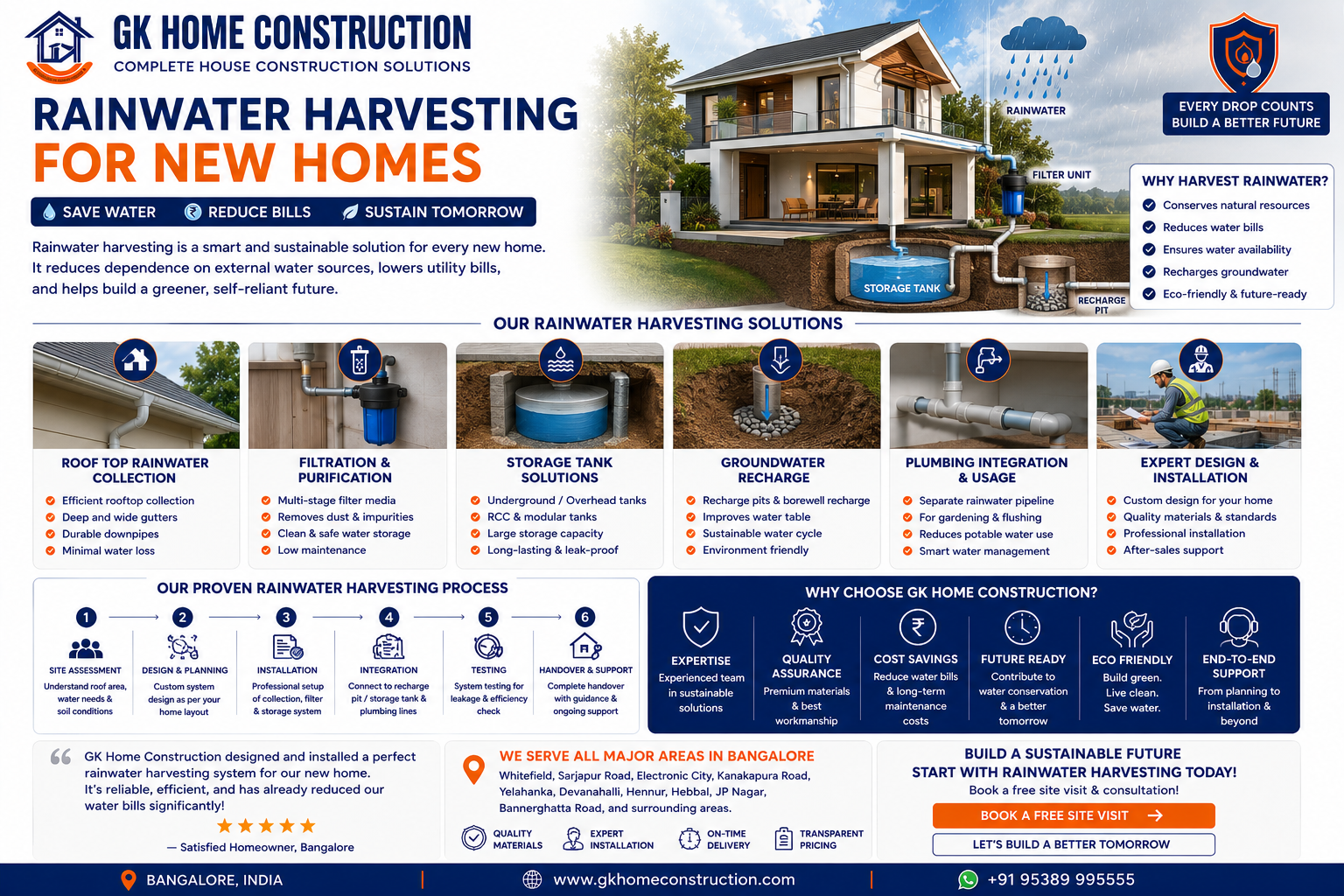
Incorporating natural light, cross ventilation, and rainwater harvesting systems can enhance both sustainability and cost efficiency. These design choices not only reduce utility bills but also contribute to a healthier living environment.
Budget Planning and Hidden Costs
While Electronic City offers relatively affordable land options compared to central Bangalore, construction costs can vary depending on site conditions and design complexity. It is important to plan your budget carefully, including potential hidden costs.
Expenses such as soil testing, site leveling, compound wall construction, and utility connections are often overlooked during initial planning. Additionally, fluctuations in material prices and labor costs can impact your overall budget.
Having a clear and realistic financial plan helps you avoid interruptions during construction and ensures a smoother building process.
Choosing the Right Construction Partner
Building a home is not just about materials and design—it’s about execution. Choosing the right construction partner can make a significant difference in the quality, timeline, and overall experience of your project.
Look for a company that understands the local conditions of Electronic City and has experience handling similar projects. A professional team will guide you through every stage, from design and approvals to construction and handover, ensuring that your vision is brought to life without unnecessary stress.
Final Thoughts
Building a home in Electronic City is a promising investment, both financially and personally. The area’s rapid growth, strong connectivity, and proximity to major employment hubs make it an attractive choice for modern homeowners. However, success lies in careful planning and informed decision-making.
By understanding the locality, verifying legal aspects, assessing infrastructure, and planning for the future, you can build a home that not only meets your current needs but also stands the test of time. Taking the time to evaluate these factors before you start construction will save you from potential challenges and help you create a home that truly reflects your aspirations.