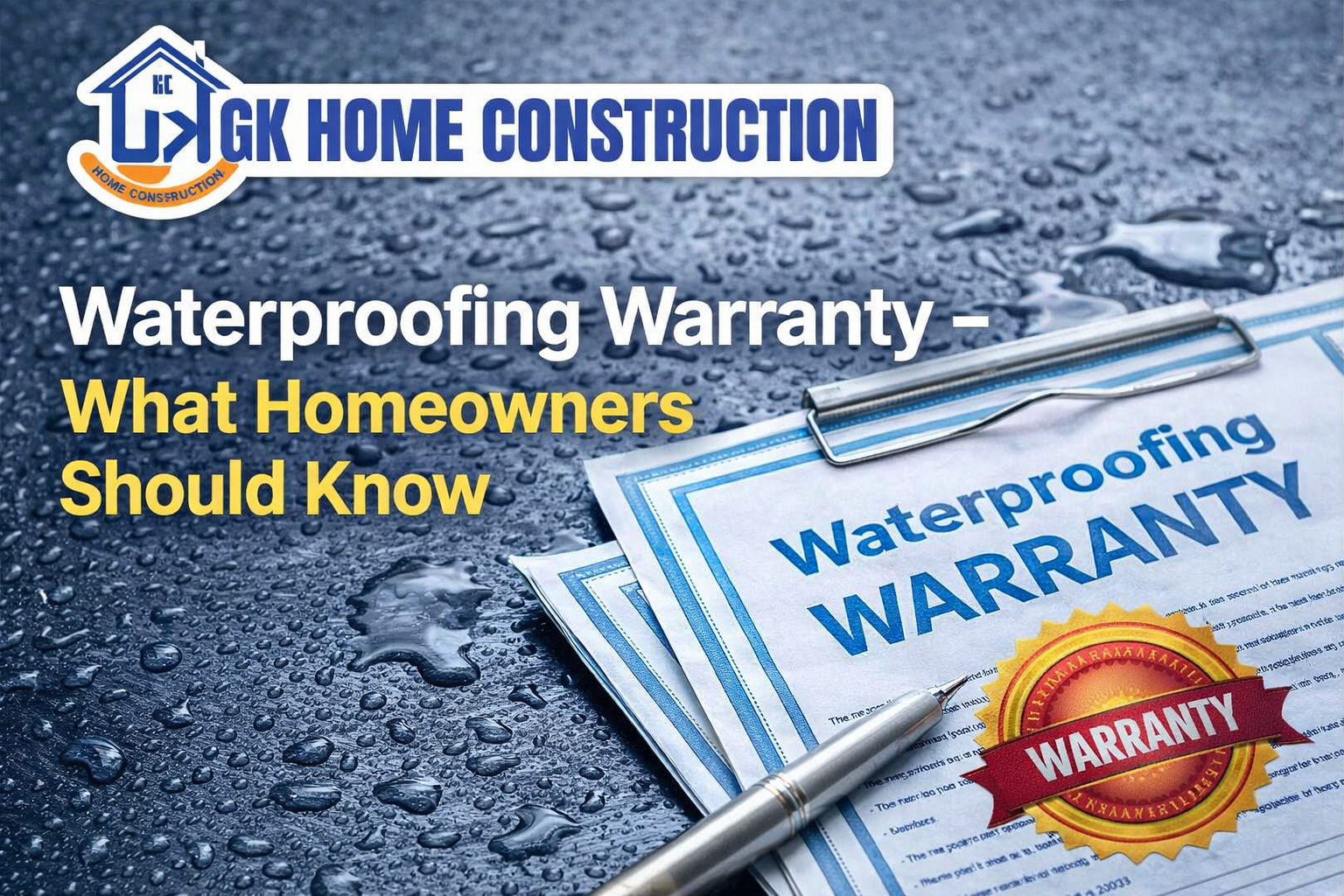
Waterproofing plays a crucial role in protecting a home from moisture damage, structural deterioration, and long-term repair costs. While many homeowners focus on selecting the right waterproofing system, understanding the warranty that comes with it is equally important. A waterproofing warranty is not just a piece of paper—it is a commitment that ensures your investment is protected against potential failures. However, not all warranties are the same, and knowing what they cover (and what they don’t) can help homeowners make informed decisions.
Understanding What a Waterproofing Warranty Means
A waterproofing warranty is essentially a guarantee provided by either the contractor, the manufacturer, or both, ensuring that the waterproofing system will perform as expected for a specified period. This warranty typically covers defects in materials, workmanship, or both. For homeowners, this serves as a safety net against unexpected issues such as leakage, seepage, or membrane failure.
However, it is important to note that a warranty does not mean the system is immune to damage. Instead, it defines the conditions under which repairs or replacements will be carried out. Reading and understanding these conditions is key to avoiding future misunderstandings.
Types of Waterproofing Warranties
Waterproofing warranties generally fall into two main categories: manufacturer warranties and contractor warranties. A manufacturer's warranty covers defects in the waterproofing materials themselves. If the product fails due to manufacturing issues, the manufacturer is responsible for providing replacement materials.
On the other hand, a contractor's warranty focuses on workmanship. Even the best materials can fail if they are not applied correctly. A contractor's warranty ensures that if the installation process was faulty, the contractor will address the issue without additional cost.
In some cases, homeowners may receive a combined warranty, which offers coverage for both materials and workmanship. This type of warranty provides better protection and peace of mind.
Duration of Waterproofing Warranty
The duration of a waterproofing warranty can vary significantly depending on the type of system used, the quality of materials, and the expertise of the contractor. Typically, warranties range from 5 to 15 years. High-quality systems, especially those used in critical areas like terraces and basements, may come with longer warranty periods.
However, a longer warranty does not always mean better coverage. Homeowners should carefully review the terms and conditions, as some long-term warranties may have limitations or require periodic maintenance to remain valid.
What Is Usually Covered
A standard waterproofing warranty typically covers issues such as water leakage, seepage through treated areas, and failure of the waterproofing membrane. If the waterproofing system does not perform as promised within the warranty period, the provider is obligated to fix the problem.
Coverage may also include labor costs for repairs, especially under contractor warranties. In some cases, complete reapplication of the waterproofing layer may be provided if the issue is severe.
However, the extent of coverage depends on the specific agreement. Homeowners should always ask for a detailed breakdown of what is included before finalizing any contract.
Common Exclusions in Waterproofing Warranties
One of the most overlooked aspects of a waterproofing warranty is the list of exclusions. These are situations where the warranty will not apply. Common exclusions include structural cracks, natural disasters, improper maintenance, and damages caused by third-party modifications.
For example, if a homeowner drills into a waterproofed surface or alters the structure without professional guidance, the warranty may become void. Similarly, issues arising from poor drainage systems or plumbing leaks may not be covered under waterproofing warranties.
Understanding these exclusions is essential to avoid unexpected expenses later.
Importance of Proper Documentation
Proper documentation is a critical part of any warranty. Homeowners should ensure they receive a written warranty document that clearly outlines the terms, coverage, duration, and claim process. Verbal assurances are not reliable and may lead to disputes in the future.
The documentation should also include details about the materials used, application methods, and maintenance guidelines. Keeping invoices, inspection reports, and photographs of the completed work can further strengthen your position in case of a claim.
Maintenance Requirements to Keep Warranty Valid
Many waterproofing warranties come with specific maintenance requirements. These may include periodic inspections, cleaning of drainage outlets, and ensuring that no damage occurs to the treated surfaces. Failure to follow these guidelines can result in the warranty being voided.
For instance, terrace waterproofing systems often require regular cleaning to prevent water stagnation. Ignoring such maintenance can lead to issues that are not covered under the warranty.
Homeowners should treat maintenance as an essential responsibility rather than an optional task.
How to Make a Warranty Claim
In the event of a waterproofing issue, homeowners should act promptly to file a warranty claim. The first step is to notify the contractor or manufacturer as soon as the problem is detected. Delaying the claim may complicate the process or even result in denial.
Providing proper documentation, including photos and a description of the issue, can help speed up the resolution. In most cases, the service provider will inspect the site to determine the cause of the problem before proceeding with repairs.
Clear communication and timely action are key to ensuring a smooth claim process.
Choosing the Right Waterproofing Partner
A reliable warranty is only as good as the company behind it. Choosing an experienced and trustworthy contractor is crucial for ensuring that the warranty holds value. Homeowners should look for contractors with a proven track record, positive customer reviews, and transparent warranty policies.
It is also advisable to ask questions before starting the project. Understanding the scope of work, materials used, and warranty terms can help avoid confusion later. A professional contractor will always be willing to explain these details clearly.
Final Thoughts
A waterproofing warranty is an important aspect of home construction that should never be overlooked. It provides financial protection and peace of mind, ensuring that your home remains safe from water damage. However, the value of a warranty depends on how well you understand its terms and how responsibly you maintain the system.