
Waterproofing is one of the most critical aspects of a new home, especially in cities like Bangalore, where seasonal rains can significantly impact structural durability. A proper inspection ensures that your investment remains safe from seepage, dampness, and long-term damage. Conducting a detailed waterproofing inspection before handover helps identify hidden issues early and avoids costly repairs later.
Terrace Waterproofing Inspection
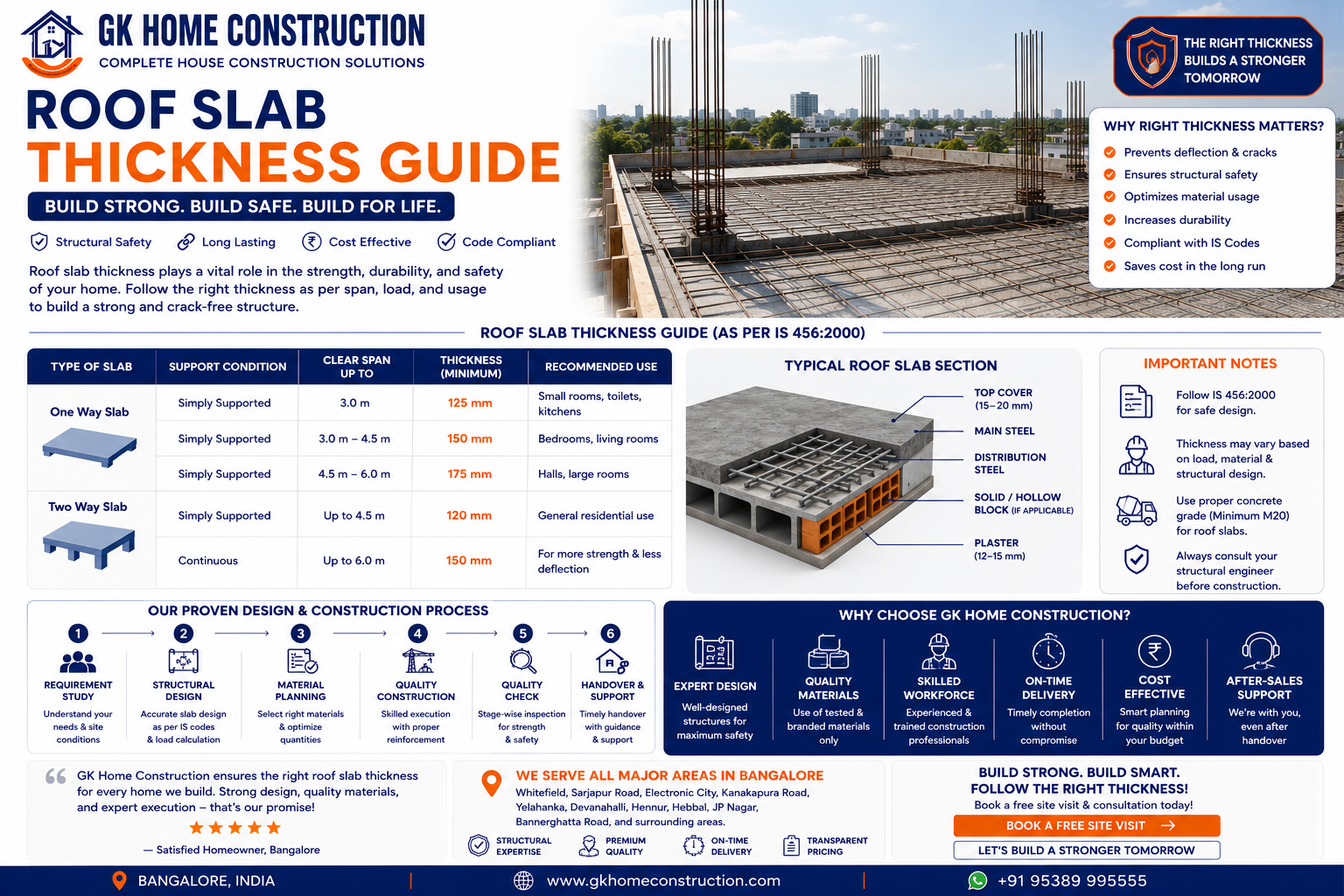
The terrace is highly exposed to rain and weather conditions, making it a primary area to inspect. Ensure that the waterproofing membrane is applied uniformly without cracks, bubbles, or gaps. Check for proper slope towards drainage outlets to prevent water stagnation. Inspect whether expansion joints are sealed correctly and confirm that protective screed or tiles are properly installed over the waterproofing layer.
Bathroom and Wet Area Inspection
Bathrooms, balconies, and utility areas are prone to water leakage due to constant exposure to moisture. Verify that waterproofing is done at least up to 6–7 feet on walls. Look for signs of damp patches, loose tiles, or hollow sounds when tapped. Ensure proper sealing around sanitary fittings, floor traps, and pipe joints. A flood test, where water is retained for 24–48 hours, is highly recommended to confirm leak-proofing.
External Wall Waterproofing
External walls are directly exposed to rain, making them vulnerable to seepage. Check for uniform application of exterior waterproof coatings or paints. Look for cracks, especially near windows and joints. Ensure proper sealing around window frames and grills. Poorly treated external walls can lead to internal dampness and peeling paint over time.
Basement and Foundation Inspection
If the home includes a basement, inspect it thoroughly for water ingress. Check retaining walls for damp patches or efflorescence (white salt deposits). Ensure that proper waterproofing systems, such as membrane coatings or crystalline waterproofing, are applied. Verify the presence of an effective drainage system to prevent groundwater accumulation around the foundation.
Water Tank Waterproofing
Both overhead and underground water tanks must be checked for leakage and contamination risks. Ensure that food-grade waterproofing materials are used. Inspect for cracks, seepage marks, and proper curing. The tank should not show any signs of dampness on the external surfaces.
Joint and Crack Inspection
Construction joints, expansion joints, and hairline cracks are common areas where water entry occurs. Ensure that all joints are sealed using appropriate materials such as sealants or waterproof compounds. Even minor cracks should be treated promptly to prevent future leakage issues.
Plumbing Line Waterproofing Check
Leakages often occur around concealed plumbing lines. Inspect areas where pipes pass through walls and slabs. Ensure proper sealing with waterproofing compounds. Check for moisture around pipe joints and valves, as these areas are highly prone to leakage if not treated correctly.
Drainage and Slope Verification
Proper drainage is essential for effective waterproofing. Ensure that all wet areas, terraces, and balconies have the correct slope towards drainage points. Blocked or poorly placed drains can lead to water accumulation, increasing the risk of seepage and structural damage.
Final Quality Testing
Before final handover, ensure that all waterproofed areas undergo quality testing. This includes ponding tests for terraces and bathrooms, visual inspections, and checking for any dampness after simulated water exposure. A professional inspection report can add an extra layer of assurance.
Conclusion
A thorough waterproofing inspection is essential to ensure the long-term durability and safety of your new home. By carefully checking each critical area—from terraces to basements—you can prevent future leakage issues and maintain the structural integrity of the building. Investing time in this inspection not only saves repair costs but also provides peace of mind for homeowners.