Introduction: The Foundation of a Perfect Home
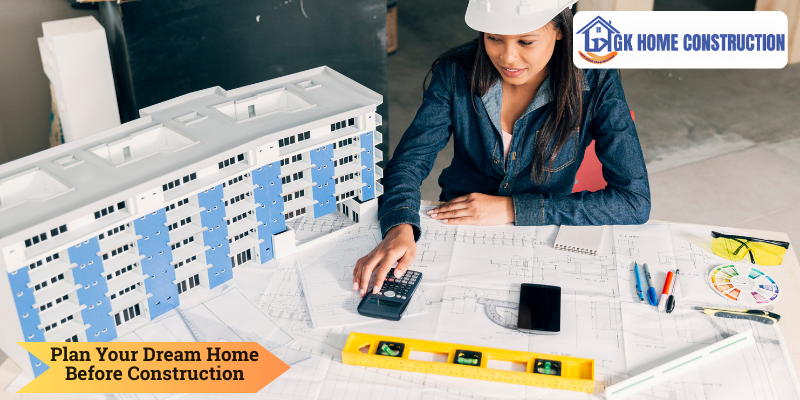
Building your dream home is one of the most important investments of your life. It is not just about bricks, cement, and steel—it is about creating a space that reflects your lifestyle, personality, and long-term goals. However, many homeowners rush into construction without proper planning, which later leads to budget overruns, design regrets, and structural changes. Proper pre-construction planning ensures your home is functional, cost-effective, and future-ready. Before the first brick is laid, careful decision-making can save time, money, and stress.
Define Your Vision and Lifestyle Needs
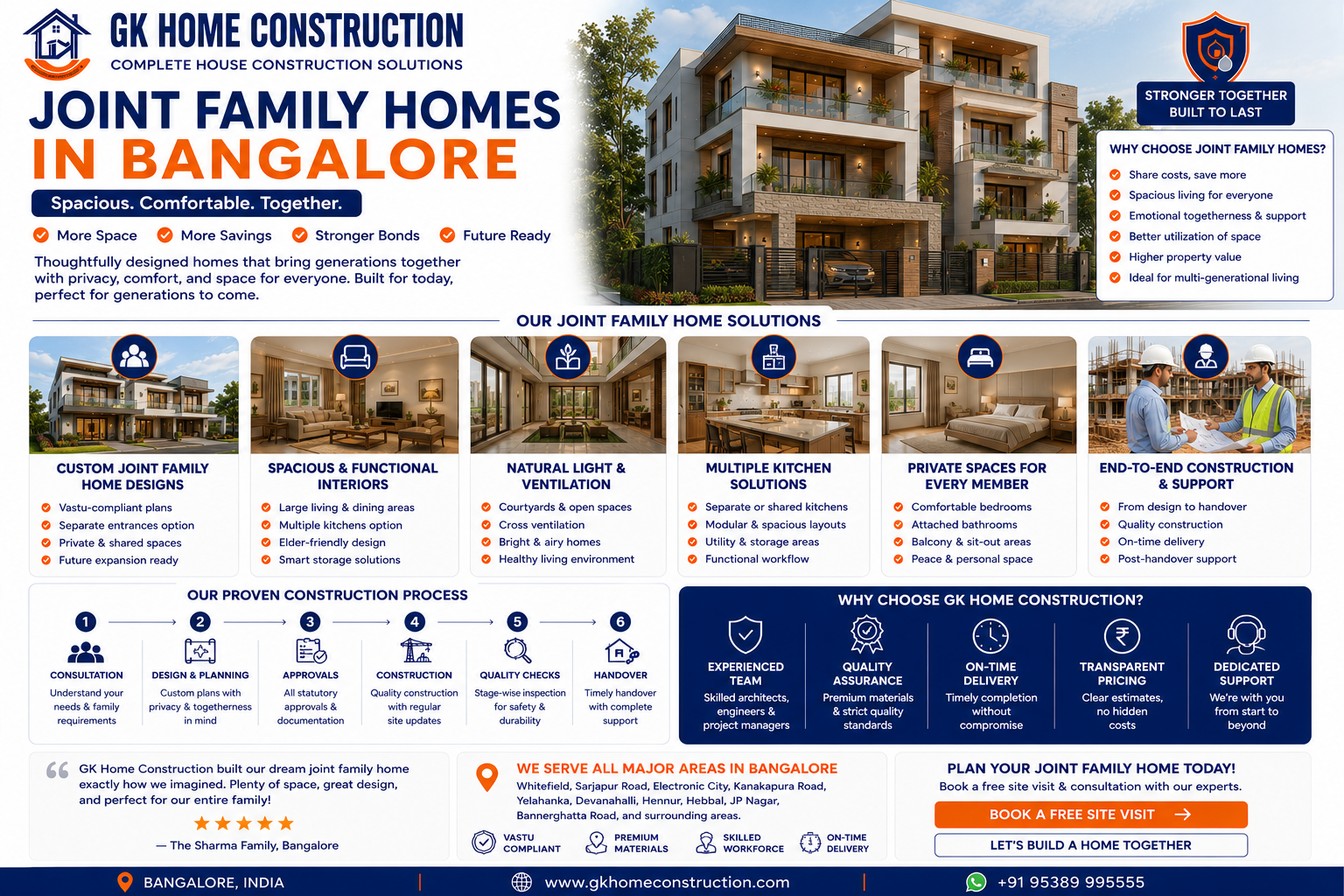
The first step in planning your dream home is understanding your vision. Ask yourself how you want your home to feel and function. Do you prefer a modern minimalist design or a traditional layout? How many bedrooms and bathrooms will you need? Is a home office essential? Do you need a dedicated pooja room, a study space for children, or a guest bedroom for visiting relatives?
Your lifestyle plays a major role in home planning. For example, if you frequently host guests, an open living and dining area may be ideal. If you work from home, soundproofing and natural lighting in your workspace become crucial. Planning based on your daily routine ensures that your home remains practical for years to come. A well-defined vision helps architects and builders understand your expectations clearly.
Set a Realistic Budget with a Buffer
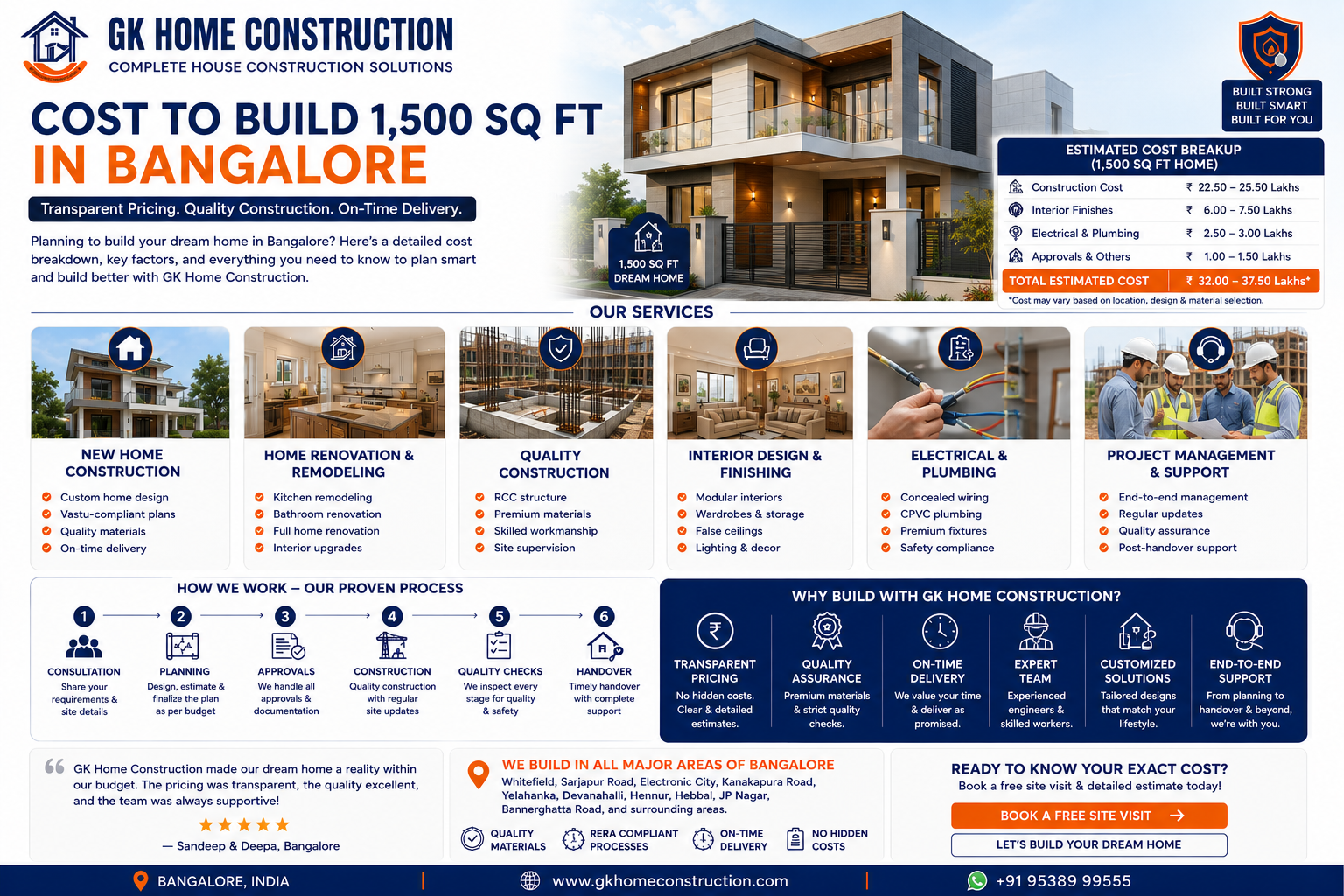
Budget planning is one of the most critical aspects before construction begins. Many homeowners underestimate the total cost of building a house. Apart from construction materials and labor, expenses include approvals, design fees, soil testing, electrical planning, plumbing layout, interior finishing, and landscaping.
Always set a realistic budget and include a contingency reserve of at least 10–15 percent for unexpected expenses. Material price fluctuations, design changes, or site challenges can increase costs during construction. Proper financial planning avoids midway delays and compromises in quality. Transparency in budgeting also helps your construction partner provide suitable material options and structural recommendations within your financial range.
Choose the Right Plot and Analyze the Site
If you have not yet finalized your plot, selecting the right location is crucial. Consider connectivity, road access, drainage systems, soil condition, water availability, and future development potential. Even if you already own land, a proper site analysis is necessary before designing your home.
Soil testing is especially important because foundation design depends on soil strength. Poor soil conditions may require a stronger foundation, which affects the budget. Additionally, consider the direction of sunlight, wind flow, and surrounding buildings. Proper orientation improves ventilation, reduces electricity consumption, and enhances natural lighting. Smart site planning creates energy-efficient and comfortable living spaces.
Plan the Layout for Functionality
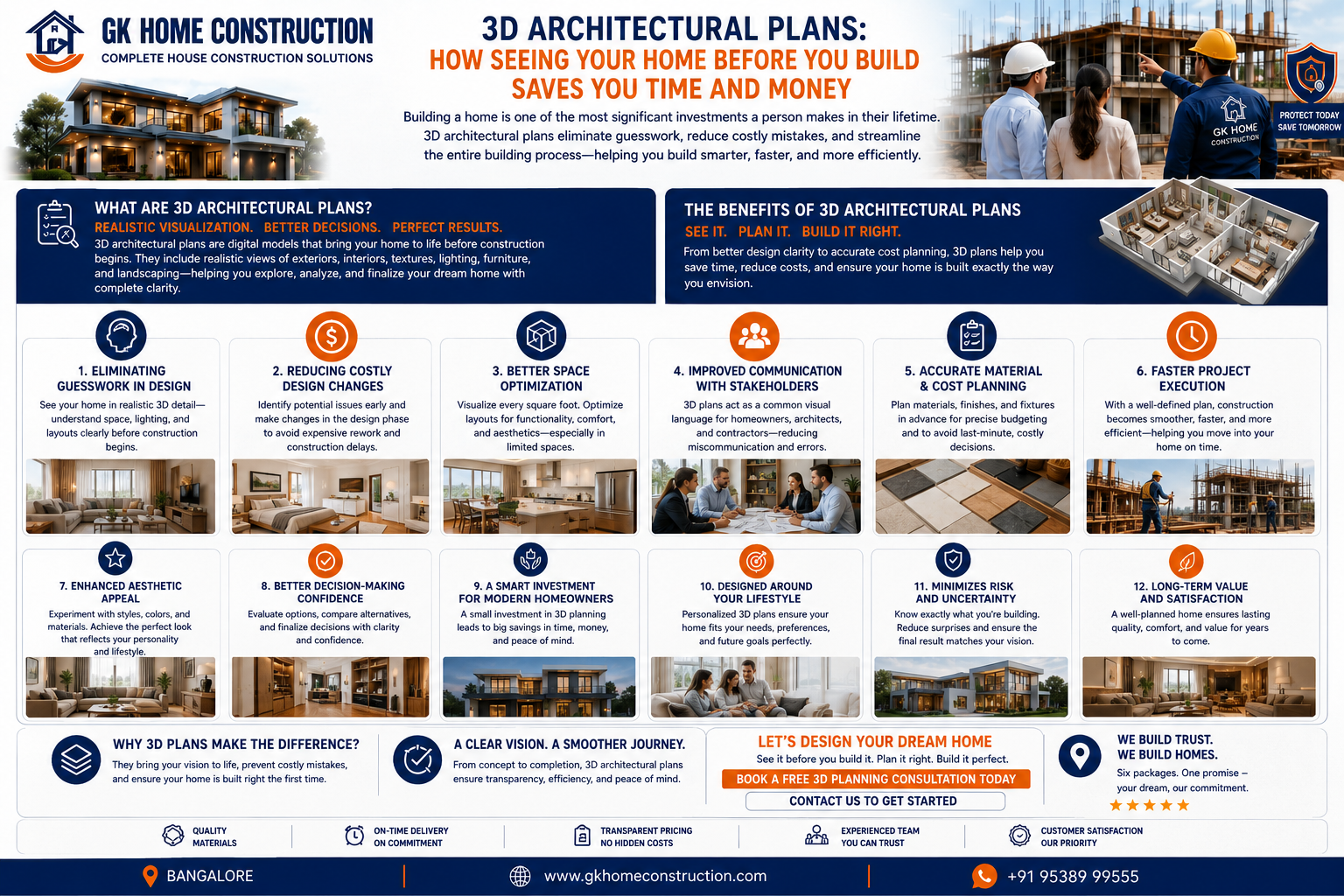
A well-designed layout ensures smooth movement and efficient space utilization. Think about how each area connects with the others. The kitchen should ideally be close to the dining area. Bedrooms should be located in quieter sections of the house. Bathrooms must be positioned to optimize plumbing lines and reduce unnecessary piping costs.
Avoid overcrowding the design with too many small rooms. Instead, focus on spacious and flexible layouts. Open floor concepts are popular because they create a sense of larger space and better airflow. Also, consider storage solutions such as built-in wardrobes, loft spaces, and utility areas. Functional planning eliminates wasted space and improves long-term comfort.
Focus on Structural Strength and Quality Materials
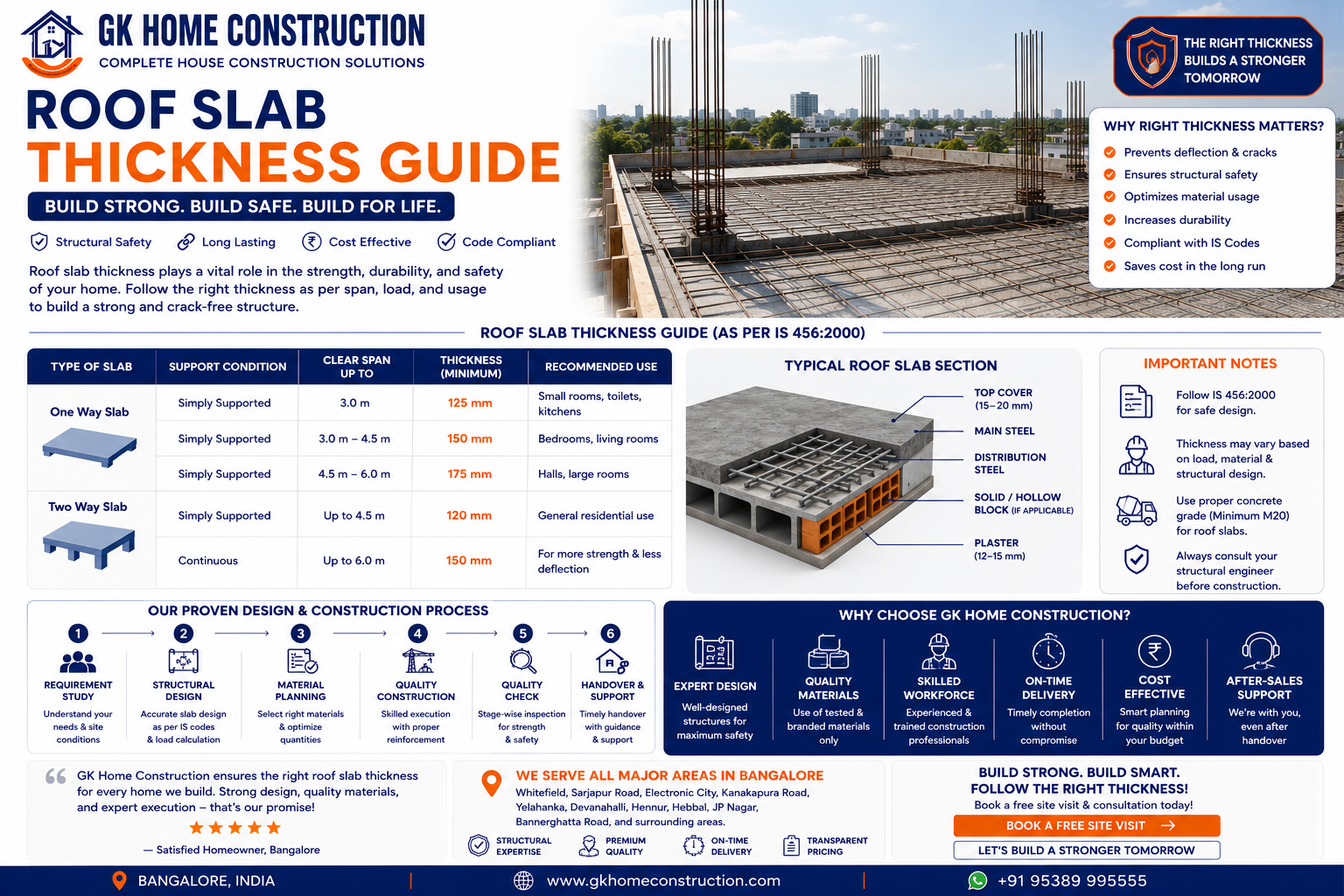
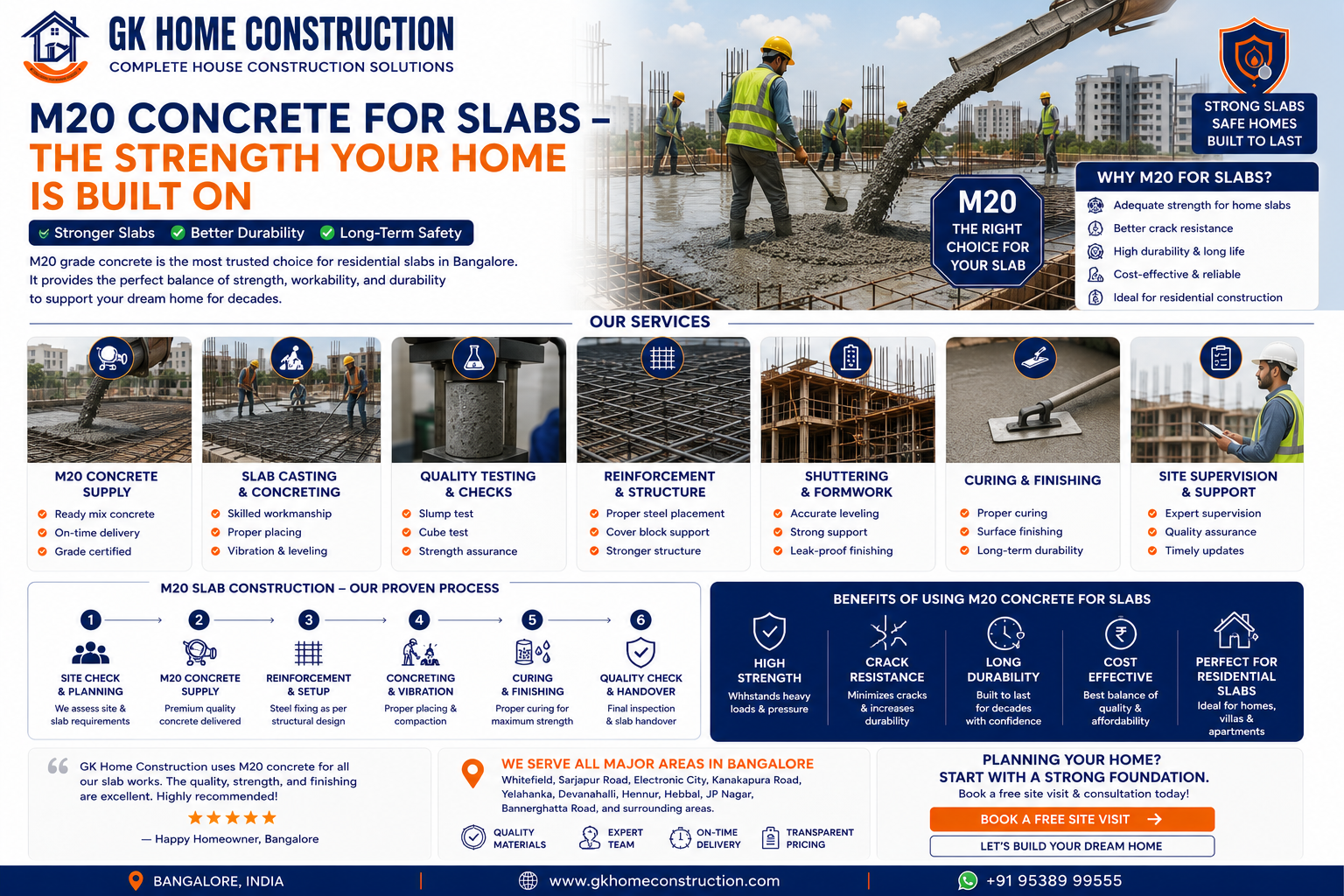
The structural framework is the backbone of your home. While design and interiors attract attention, structural quality determines durability and safety. Choose the right structural system based on your building type and soil condition. Reinforced concrete structures are commonly preferred for strength and flexibility in design.
Material selection should never be compromised for short-term savings. High-quality cement, steel, bricks, waterproofing solutions, and electrical components ensure longevity and reduce maintenance costs. Poor material choices may result in cracks, leakage, and structural issues in the future. Discuss material specifications in detail with your construction partner before starting the project.
Plan Electrical and Plumbing Layout Early
One common mistake homeowners make is planning electrical and plumbing layouts after construction begins. Early planning ensures proper wiring routes, socket placements, switchboard positions, water pipelines, and drainage systems.
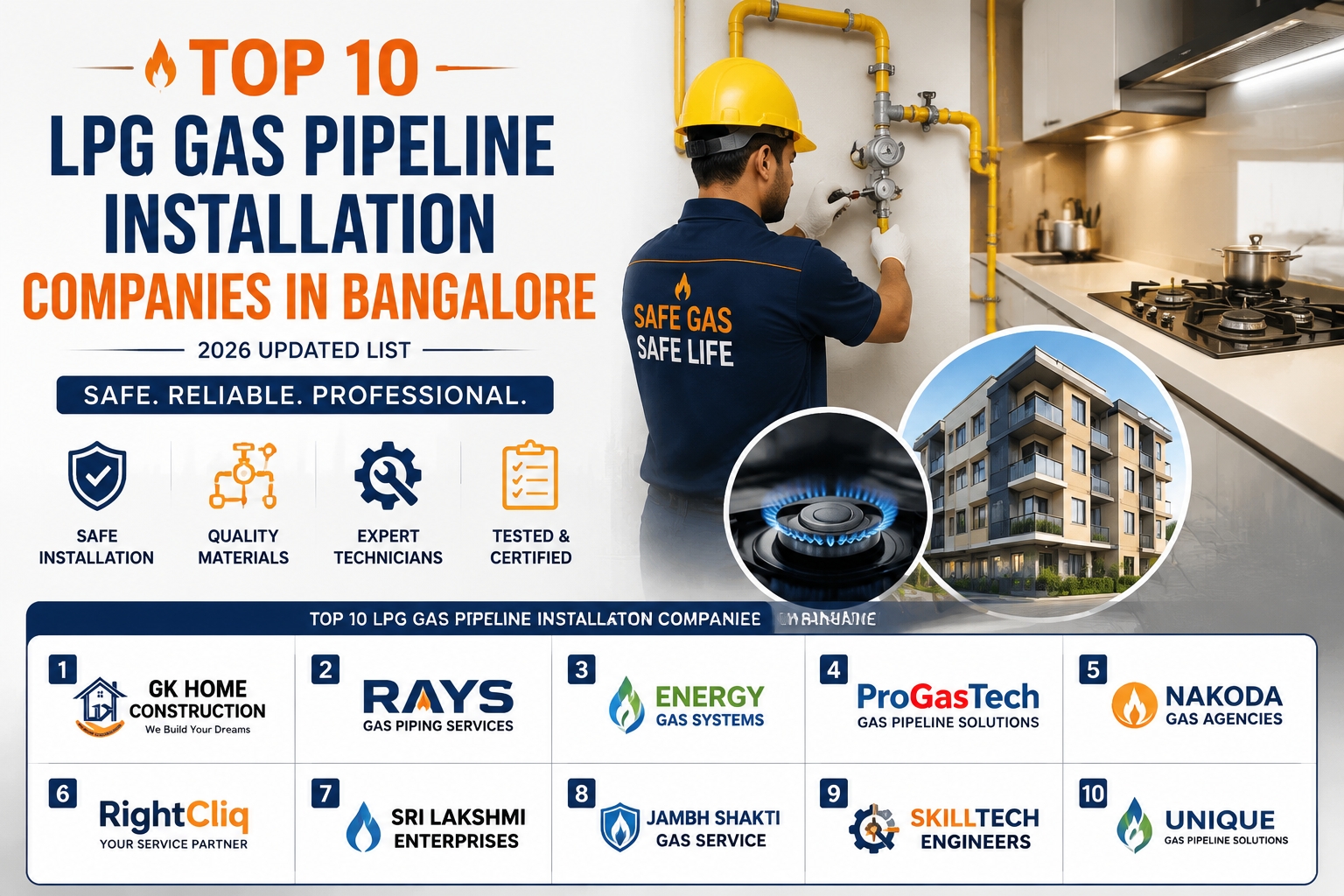
Think about future requirements such as air conditioners, inverters, solar panels, water heaters, and smart home systems. Adequate plug points, lighting distribution, and concealed plumbing enhance both safety and aesthetics. Proper planning avoids wall-breaking modifications later, saving both time and money.
Think Long-Term: Future Expansion and Maintenance
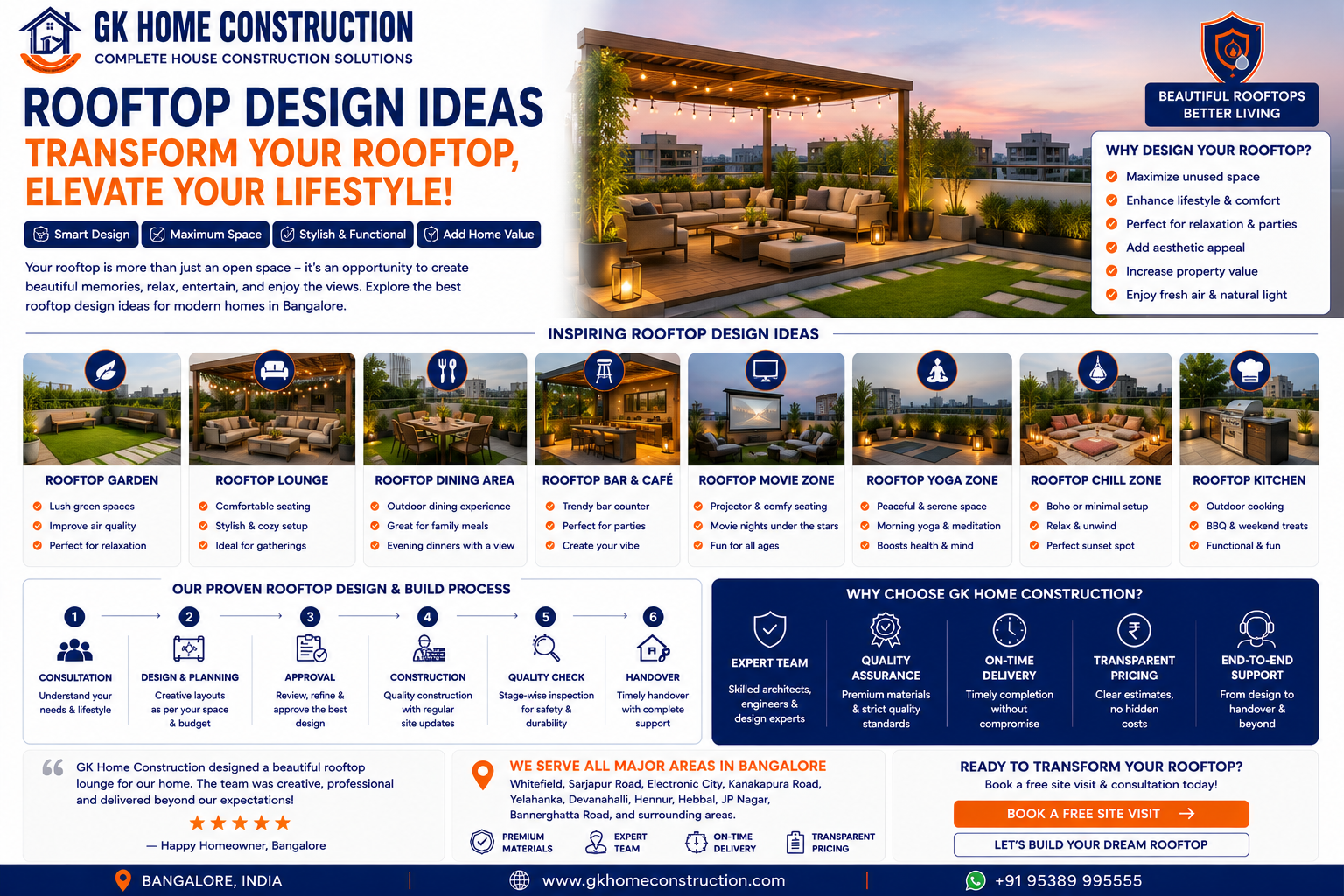
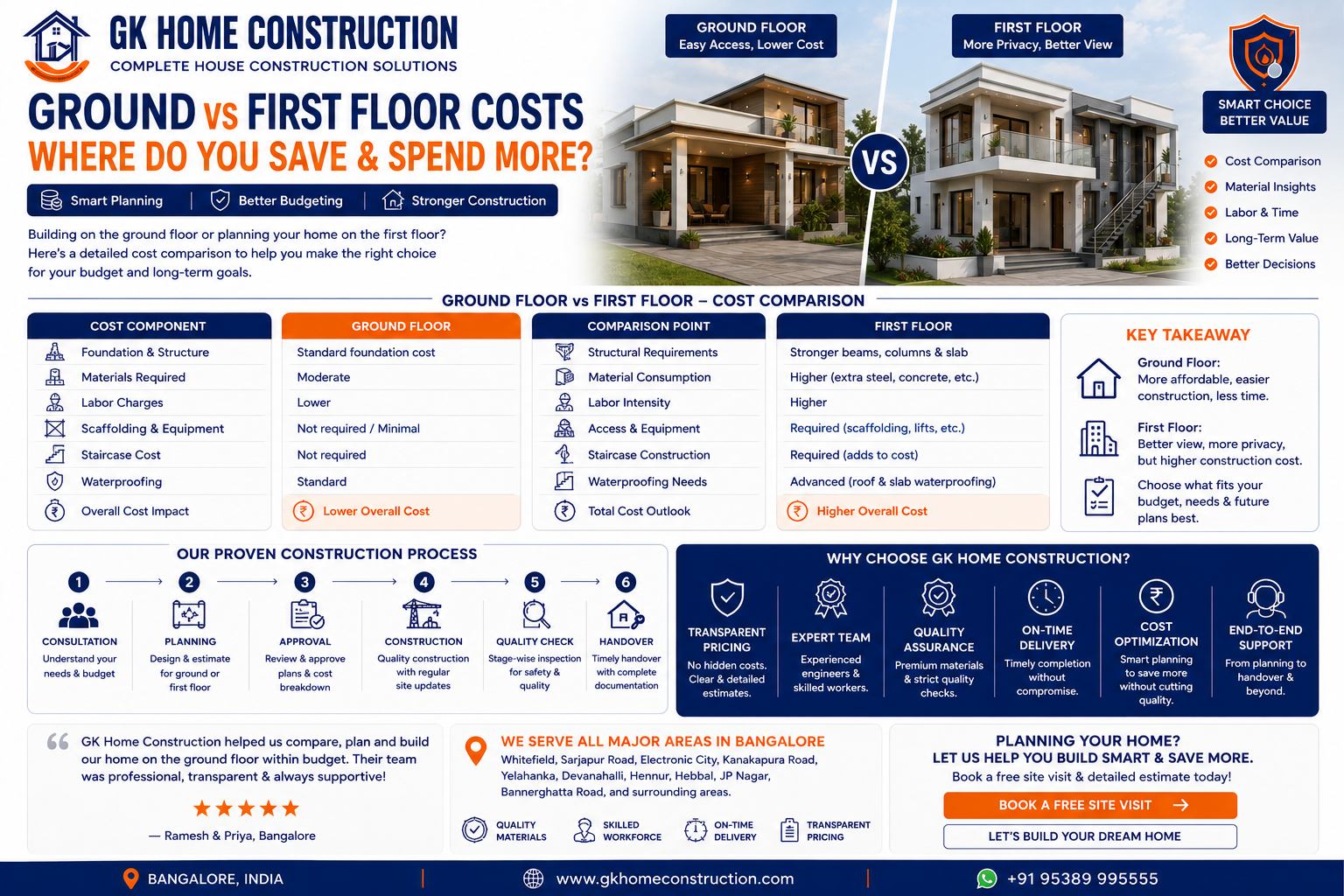
Your dream home should not only meet current needs but also adapt to future changes. Consider possibilities such as adding another floor, creating a rental portion, or modifying spaces as your family grows. Designing a strong foundation and structural columns that support vertical expansion can be beneficial.
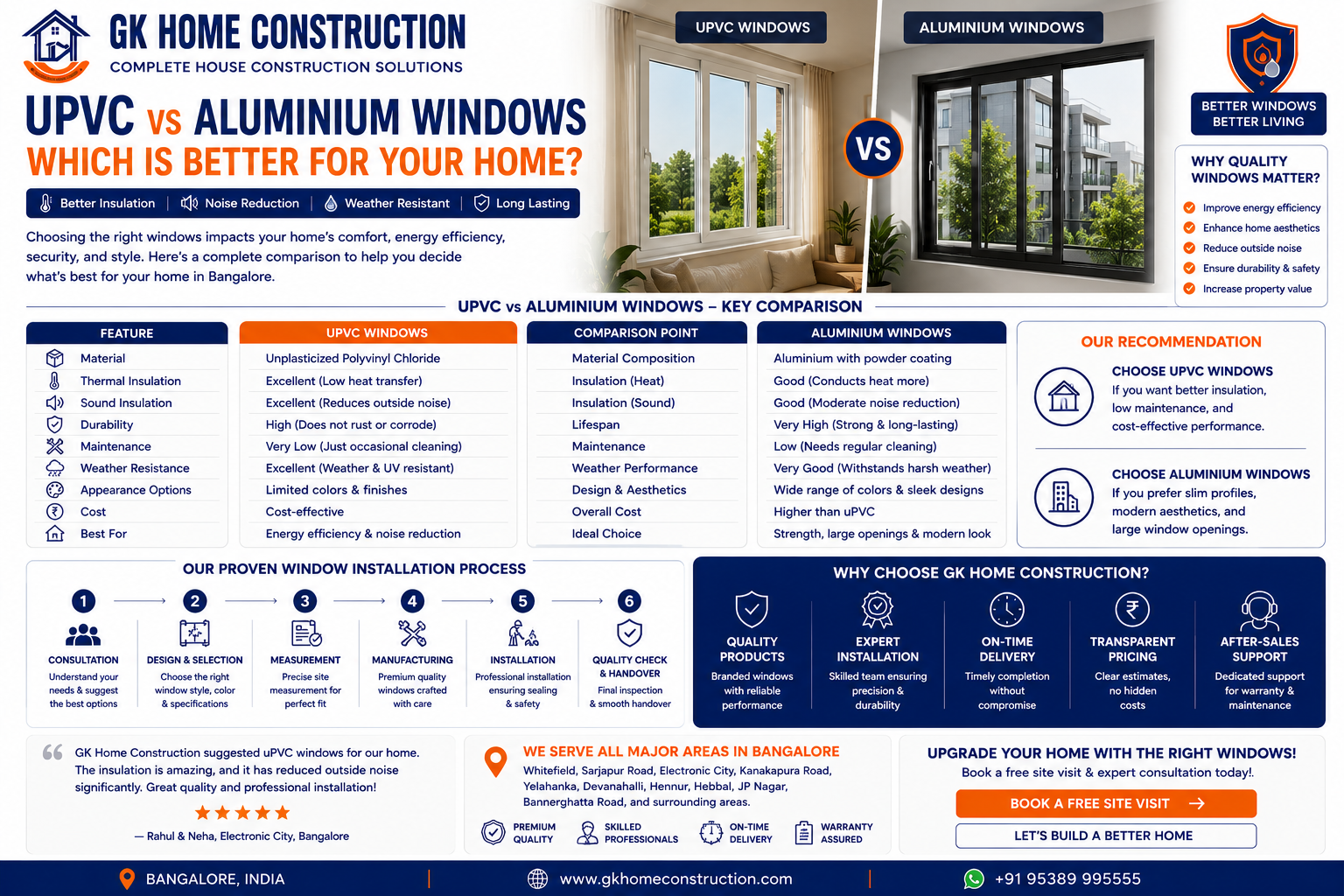
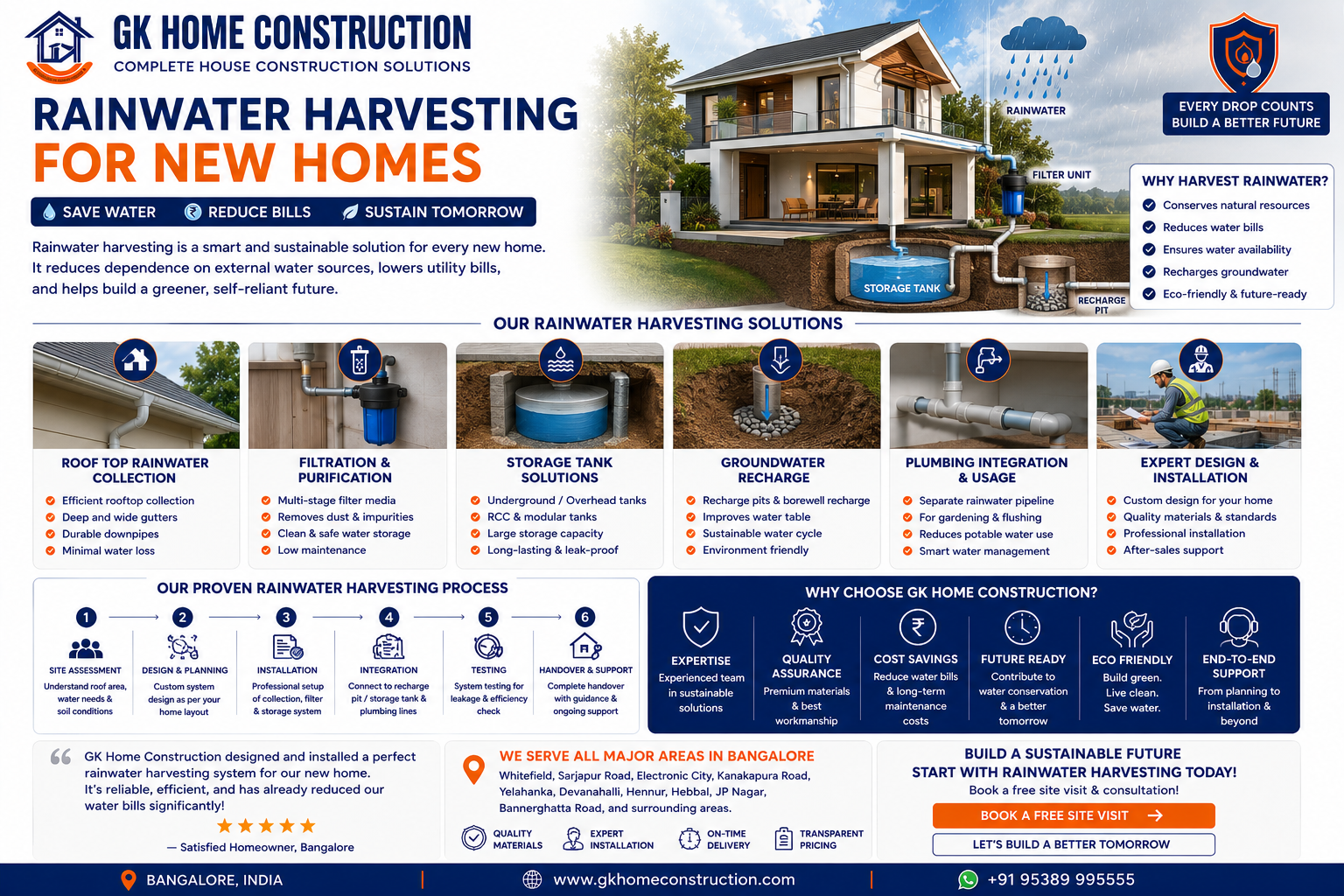
Maintenance is another long-term factor. Choose finishes and materials that are easy to clean and durable. Waterproofing for terraces, balconies, and bathrooms must be handled professionally to avoid leakage issues later. Planning for sustainability, such as rainwater harvesting and energy-efficient windows, can reduce utility costs and environmental impact.
Approvals and Legal Compliance
Before construction begins, ensure that all necessary approvals and permits are obtained from local authorities. Building without proper permissions can lead to legal complications, fines, or demolition notices. Your construction partner should guide you through plan approvals, structural safety certifications, and utility connections.
Legal compliance ensures peace of mind and protects your investment. Proper documentation also becomes important if you plan to sell or finance the property in the future.
Select the Right Construction Partner
Choosing a reliable construction company is just as important as planning the design. An experienced builder ensures quality execution, transparent costing, timely delivery, and professional project management. Check previous projects, client testimonials, and material standards before finalizing your contractor.
Clear communication between homeowner, architect, and builder avoids misunderstandings. Regular site inspections and progress updates keep the project on track. A trustworthy construction partner transforms your vision into reality without unnecessary stress.
Conclusion: Plan Smart, Build Confidently
Planning your dream home before construction is the key to a successful project. From defining your vision and budgeting wisely to selecting materials and ensuring legal compliance, every step plays a crucial role in achieving the perfect home. Careful preparation prevents costly mistakes and enhances long-term satisfaction.
A house built with proper planning stands strong for generations. By investing time in detailed pre-construction decisions, you ensure that your dream home is not only beautiful but also durable, efficient, and future-ready. With the right guidance and professional support, your journey from blueprint to reality can be smooth and rewarding.