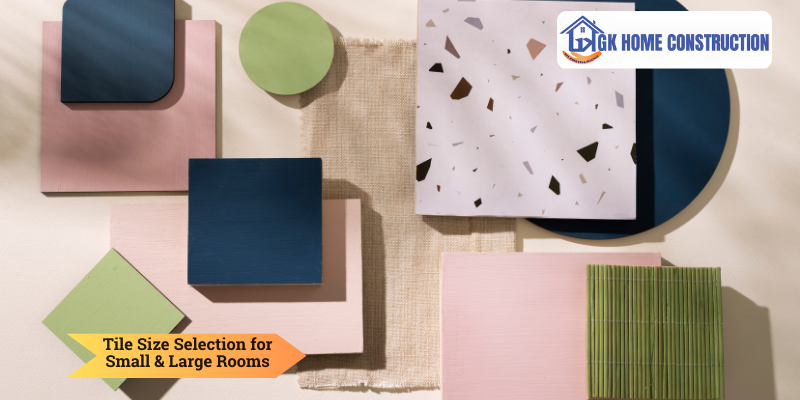
Tile Size Selection for Small & Large Rooms
Choosing the right tile size is one of the most important yet overlooked decisions in home construction. While color and design usually grab attention first, tile size plays a major role in how spacious, balanced, and elegant a room feels. Whether you are building a compact urban home or a spacious villa, selecting the correct tile dimensions can completely transform the visual appeal and functionality of your interiors. Understanding how tile size affects perception, layout, and maintenance will help homeowners make confident decisions for both small and large rooms.
Why Tile Size Matters in Interior Spaces
Tile size directly influences how a room looks and feels. Larger tiles create fewer grout lines, which makes the floor appear more seamless and open. Smaller tiles, on the other hand, introduce more visual breaks, which can make a space feel detailed but sometimes slightly compact. The human eye naturally follows lines and patterns, so grout spacing, tile layout, and proportions all contribute to the room’s perceived size. Selecting the wrong tile size can unintentionally make a room feel crowded or unbalanced, even if the overall design is good.
Beyond aesthetics, tile size also affects installation cost, wastage, and maintenance. Larger tiles may require a more level surface and skilled workmanship, while smaller tiles are easier to adjust in irregular spaces. A well-planned tile selection ensures long-term durability and visual harmony.
Ideal Tile Sizes for Small Rooms
In small rooms such as compact bedrooms, study areas, bathrooms, or utility spaces, the common belief is that small tiles work best. However, modern design trends suggest otherwise. Medium to large format tiles, such as 600x600 mm tiles, are often more suitable for smaller spaces. The reason is simple — fewer grout lines create a clean, continuous surface that makes the room appear larger than it actually is.
When large tiles are used in a small room, the uninterrupted flooring surface visually expands the area. Light-colored tiles in larger formats further enhance this effect by reflecting more light. This approach works particularly well in apartments where optimizing visual space is important.
However, extremely large tiles in very tight spaces may lead to excessive cutting and wastage. Therefore, proportional balance is essential. The goal is to reduce visual clutter while ensuring practical installation.
Best Tile Sizes for Large Rooms
Large living rooms, master bedrooms, and open-plan spaces benefit significantly from large-format tiles such as 800x800 mm or even bigger slabs. In expansive areas, small tiles can look busy and create too many grout lines, breaking the flow of the room. Large tiles enhance elegance and create a luxurious, modern appearance.
In spacious rooms, tile size helps maintain proportion. Bigger tiles fill the area effectively and prevent the floor from looking overly patterned. They also improve ease of cleaning because fewer grout joints mean less dirt accumulation.
For luxury homes and premium projects, large slabs are increasingly preferred. They provide a sophisticated finish and align well with contemporary architectural styles.
The Role of Room Shape and Layout
Tile size selection should not depend only on room area; room shape also plays an important role. Rectangular rooms may benefit from rectangular tiles laid in the direction of the longer wall to create a sense of length. Square rooms allow greater flexibility in layout patterns.
In narrow corridors, longer tiles placed lengthwise can visually widen the passage. In irregular spaces, smaller tiles may reduce cutting complexity. Strategic placement enhances symmetry and reduces wastage during installation.
Planning the tile layout before finalizing the purchase helps homeowners avoid last-minute adjustments and additional expenses.
Grout Lines and Visual Continuity
Grout lines significantly impact the perception of space. Smaller tiles mean more grout lines, which can create a grid-like appearance. While this may suit certain design themes, it can make compact rooms feel busier.
Large tiles reduce grout visibility and create smoother visual flow. Matching grout color with tile shade further minimizes separation lines, enhancing continuity. For modern homes, subtle grout lines combined with larger tiles are a popular choice because they offer a clean and refined look.
Proper grout spacing also ensures structural safety and accommodates expansion without cracking.
Tile Thickness and Structural Considerations
While focusing on size, homeowners should also consider tile thickness. Larger tiles are often heavier and require a properly prepared subfloor. Uneven flooring can cause lippage, where tile edges are not aligned evenly.
Professional installation becomes even more important when working with large formats. Skilled workmanship ensures accurate leveling, proper adhesive application, and long-term durability. Investing in experienced professionals prevents future maintenance issues.
For smaller tiles, installation may be slightly easier, but proper alignment and finishing remain essential for a neat outcome.
Maintenance and Practicality
Tile size affects maintenance convenience. Large tiles are generally easier to clean because they have fewer grout joints where dirt and moisture can accumulate. This makes them ideal for living rooms and bedrooms.
In bathrooms and balconies, smaller tiles sometimes provide better slip resistance because they create more grout grip. However, anti-skid large-format tiles are also widely available today.
Homeowners should balance aesthetics with functionality. A practical approach ensures that beauty does not compromise safety or maintenance comfort.
Lighting and Tile Size Selection
Lighting conditions influence how tile size appears in a room. Natural light enhances the spacious effect of larger tiles. In well-lit rooms, bigger tiles can make interiors feel airy and open.
In darker rooms, glossy medium-sized tiles may help reflect light better. Matte large tiles work beautifully in bright spaces but may feel slightly dull in poorly lit areas.
Before finalizing tile size, evaluating the lighting setup helps achieve the desired ambiance.
Budget and Wastage Factors
Tile size impacts budget planning. Larger tiles may appear more expensive per piece, but because fewer tiles are required, the overall cost difference may not be significant. However, improper planning can lead to higher wastage, especially in smaller rooms with many corners.
Accurate measurement and professional guidance help minimize material loss. Proper planning ensures cost efficiency without compromising design quality.
Final Thoughts on Choosing the Right Tile Size
Selecting the correct tile size for small and large rooms is not just a design decision; it is a strategic planning step in home construction. Larger tiles generally make small rooms look spacious and enhance elegance in large areas. Smaller tiles may suit specific functional spaces or detailed design preferences. The key lies in proportional balance, layout planning, and professional execution.
Every home is unique, and tile size should complement the room dimensions, lighting conditions, and overall architectural theme. When chosen wisely, tiles enhance comfort, increase property value, and create a timeless visual appeal.
For homeowners planning construction, thoughtful tile size selection ensures that each room — whether compact or expansive — achieves the perfect combination of beauty, practicality, and long-term performance.