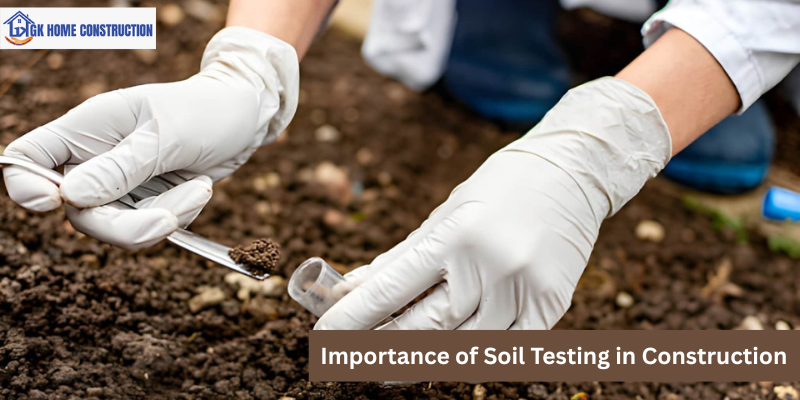
Importance of Soil Testing in Construction
When planning to build a house or commercial structure, most people focus on design, materials, and interiors. However, the real strength of any construction project lies beneath the surface — in the soil. No matter how beautiful or expensive a building is, it cannot stand strong without a stable foundation. This is why soil testing is one of the most important first steps before starting construction.
Understanding the soil condition helps in building a safe, durable, and long-lasting structure. Let’s explore what soil testing is, why it is important, what problems can occur without it, and how it benefits your construction project.
What is Soil Testing?
Soil testing is the scientific process of examining the physical and engineering properties of the soil at a construction site. It determines the soil’s strength, composition, moisture level, density, and load-bearing capacity.
Different types of soil — such as clay, sand, silt, or rock — behave differently under pressure. Some soils expand when wet and shrink when dry. Some may not have enough strength to support heavy loads. Through soil testing, engineers can analyze these properties and design the right type of foundation accordingly.
Why is Soil Testing Important in Construction?
1. Determines Soil Bearing Capacity
The soil bearing capacity tells us how much load the ground can safely support. If the soil cannot handle the weight of the building, it may settle unevenly. Soil testing helps in designing a foundation that matches the soil’s capacity.
2. Helps Choose the Right Foundation
Based on soil conditions, engineers decide whether to use isolated footings, raft foundations, or pile foundations. Without proper testing, the wrong foundation type may be selected, leading to serious structural problems.
3. Ensures Structural Safety
The safety of the entire building depends on the strength of the foundation. Proper soil testing reduces the risk of cracks, tilting, and foundation failure.
4. Saves Money in the Long Run
Some people skip soil testing to reduce initial costs. However, repairing foundation issues later can be extremely expensive. Soil testing helps in avoiding unnecessary risks and costly repairs.
5. Identifies Groundwater and Soil Issues
Testing also detects groundwater levels and soil expansion characteristics. High groundwater can weaken foundations, while expansive soil can cause cracks. Early identification allows proper preventive measures.
Problems That Can Occur Without Soil Testing
Ignoring soil testing before construction can lead to major structural and financial problems:
Uneven Settlement: Parts of the building may sink more than others, causing cracks in walls and floors.
Foundation Cracks: Weak soil can lead to foundation movement and visible damage.
Water Seepage Issues: High moisture content may cause dampness and leakage problems.
Structural Instability: In extreme cases, buildings may tilt or become unsafe.
Increased Maintenance Costs: Frequent repairs reduce the overall lifespan of the building.
These issues not only affect the safety of occupants but also reduce property value. A small step like soil testing can prevent years of stress and repair expenses.
Types of Soil Testing in Construction
Some commonly performed soil tests include:
Standard Penetration Test (SPT): Measures soil strength and resistance.
Plate Load Test: Determines bearing capacity for foundation design.
Moisture Content Test: Checks the amount of water in the soil.
Compaction Test: Ensures soil stability when compacted.
Atterberg Limits Test: Identifies soil plasticity and behavior under moisture changes.
Each test provides important data that helps engineers make informed decisions during construction planning.
How Soil Testing Improves Construction Quality
When proper soil testing is done before construction:
The foundation is designed accurately.
The building remains stable for decades.
Structural risks are minimized.
Construction becomes more efficient and planned.
Overall durability and safety are improved.
It gives homeowners confidence that their investment is secure.
Build Smart with GK Home Construction
At GK Home Construction, we strongly believe that strong homes start with strong foundations. That is why we never compromise on proper soil testing before beginning any construction project. Our team ensures that detailed soil analysis is carried out to understand ground conditions thoroughly.
By integrating soil testing into our construction planning process, we design foundations that are safe, durable, and cost-effective. We focus on quality, structural integrity, and long-term performance — not just quick construction.
Whether you are planning to build your dream home or a commercial property, GK Home Construction follows professional standards and engineering best practices to ensure your building stands strong for generations.
Conclusion
The importance of soil testing in construction cannot be overstated. It is the foundation of safe and successful building projects. Skipping this step may save a small amount initially, but it can lead to serious structural problems and heavy financial losses in the future.
Before starting any construction work, make sure you invest in proper soil testing. Partner with experienced professionals like GK Home Construction who prioritize safety, quality, and long-term durability. After all, a strong structure begins from the ground up.