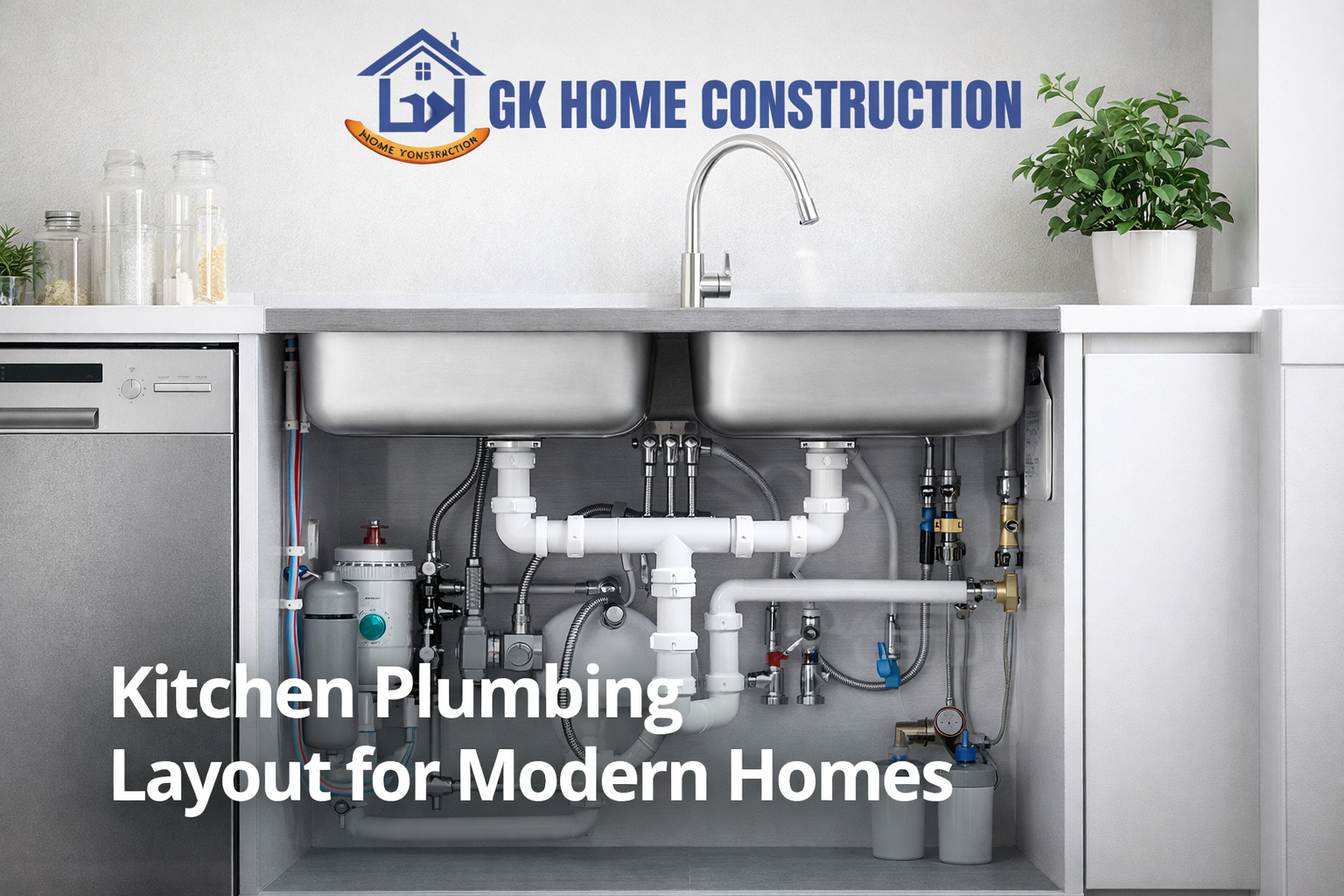
Designing a modern kitchen is not only about stylish cabinets, premium countertops, and smart appliances. One of the most important yet often overlooked elements is the kitchen plumbing layout. A well-planned plumbing system ensures efficient water supply, proper drainage, and long-term durability of your kitchen infrastructure. Modern homes require smart plumbing layouts that support convenience, hygiene, and efficient space utilization. Whether you are building a new home or remodeling an existing kitchen, understanding the correct plumbing layout is essential for functionality and maintenance.
A properly designed kitchen plumbing layout helps homeowners avoid common issues such as water leakage, drainage blockage, and inefficient water flow. It also supports modern appliances like dishwashers, water purifiers, and washing machines that are often connected to the kitchen plumbing network. Planning the plumbing layout at the early stage of construction can significantly reduce repair costs and improve the overall efficiency of the kitchen.
Importance of Proper Kitchen Plumbing Planning
Modern kitchens involve multiple plumbing components working together. From the sink and faucet to the dishwasher and drainage pipes, every element must be carefully positioned. Poor planning can lead to frequent maintenance problems and costly repairs.
A well-designed plumbing layout ensures that water flows smoothly to all required areas and drains out without causing blockages. It also improves accessibility for repairs and maintenance. For example, placing shut-off valves in accessible locations allows quick water control during emergencies or maintenance work.
Another important factor is water pressure. Proper pipe sizing and routing ensure consistent water pressure across different fixtures in the kitchen. This is especially important in multi-storey homes where pressure imbalance can occur if plumbing is not properly designed.
Key Components of a Kitchen Plumbing Layout
The kitchen plumbing system includes several interconnected components that work together to supply and remove water. Understanding these components helps homeowners and builders design a functional plumbing layout.
The kitchen sink is the central point of the plumbing system. Most modern kitchens use single-bowl or double-bowl sinks depending on the space and usage requirements. The sink is connected to both water supply lines and the drainage system. The placement of the sink should be planned carefully because it determines the routing of water supply and waste pipes.
Another major component is the water supply line. These pipes deliver hot and cold water to the sink faucet and other appliances. Modern homes usually use CPVC or PPR pipes because they are durable, corrosion-resistant, and suitable for long-term use.
The drainage system is equally important. Wastewater from the sink flows through drain pipes and connects to the main drainage system of the house. Proper slope and pipe diameter are necessary to ensure smooth drainage and prevent clogging.
Modern kitchens may also include connections for appliances such as dishwashers, water purifiers, and refrigerators with water dispensers. These appliances require additional plumbing connections that should be integrated into the overall layout.
Ideal Sink Placement in Modern Kitchens
The sink is often considered the heart of the kitchen plumbing layout. Its placement affects workflow, convenience, and plumbing efficiency. In modern homes, the sink is usually placed near the countertop preparation area and close to the cooking zone.
Many homeowners prefer installing the sink under a window for better lighting and ventilation. This layout also improves the overall aesthetics of the kitchen. However, the plumbing design must accommodate this placement without compromising drainage efficiency.
Double sinks are increasingly popular in modern kitchens because they allow multitasking. One bowl can be used for washing dishes while the other can be used for food preparation. Proper plumbing connections ensure both bowls drain efficiently without causing blockages.
Water Supply System in Modern Kitchens
A reliable water supply system is essential for daily kitchen activities such as cooking, cleaning, and washing dishes. Modern plumbing layouts typically include separate hot and cold water lines connected to a mixer faucet.
The hot water supply usually comes from a water heater or centralized heating system. Proper insulation of hot water pipes helps maintain water temperature and improves energy efficiency.
Another important element in the water supply system is the shut-off valve. Installing dedicated valves for kitchen plumbing allows homeowners to isolate the kitchen water supply during maintenance or emergencies without affecting the entire house.
Water filtration systems are also commonly installed in modern kitchens. These systems require an additional water inlet and outlet connection. Planning this during the plumbing stage ensures a neat and organized installation.
Drainage and Waste Management System
Efficient drainage is critical for maintaining hygiene and preventing water damage in the kitchen. The kitchen drainage system typically includes a trap, drainpipe, and connection to the main waste line.
The P-trap is an essential component installed below the sink. It prevents foul odors from the drainage system from entering the kitchen. The trap holds a small amount of water that acts as a barrier against sewer gases.
Proper slope in the drainpipe is necessary to allow gravity-based flow of wastewater. If the slope is too steep or too flat, it may cause drainage issues. Professional plumbing design ensures the correct pipe gradient for efficient water flow.
Another important feature in modern kitchens is a grease trap or waste filter. This device captures food particles and grease before they enter the drainage system, reducing the chances of pipe blockages.
Plumbing for Modern Kitchen Appliances
Modern kitchens often include several appliances that require plumbing connections. Dishwashers, water purifiers, refrigerators with water dispensers, and instant hot water systems are commonly installed in contemporary homes.
Dishwashers need both water supply and drainage connections. These connections should be positioned close to the appliance location to avoid long pipe runs. Proper installation ensures efficient operation and prevents leaks.
Water purifiers require a clean water inlet and a separate outlet for wastewater. Planning these connections in advance keeps the plumbing layout organized and prevents visible pipe clutter.
In some homes, washing machines are also installed in the kitchen area. This requires additional plumbing connections and proper drainage planning to avoid overflow or leakage problems.
Common Mistakes to Avoid in Kitchen Plumbing Layout
Many homeowners overlook important aspects of plumbing design during construction or renovation. One common mistake is improper pipe routing. Pipes should be placed in accessible locations to allow easy maintenance and repairs.
Another mistake is using poor-quality plumbing materials. Investing in high-quality pipes, fittings, and valves ensures durability and reduces long-term maintenance costs.
Incorrect drainpipe slope is another frequent issue. Without proper slope, water may stagnate inside pipes, leading to blockages and unpleasant odors. Professional plumbers ensure correct installation standards.
Ignoring appliance plumbing requirements is also a common problem. When appliances are added later without proper plumbing provisions, it often results in messy installations and additional renovation work.
Benefits of Professional Kitchen Plumbing Design
Hiring experienced professionals for kitchen plumbing design provides several advantages. Professionals understand building codes, plumbing standards, and best practices for installation. They can design an efficient plumbing layout that minimizes pipe length and improves water flow.
Professional planning also ensures proper coordination between plumbing, electrical, and cabinet installations. This prevents conflicts between different systems during construction.
Another major benefit is long-term reliability. A professionally designed plumbing layout reduces the risk of leaks, pipe bursts, and drainage problems. This not only saves money on repairs but also protects kitchen interiors from water damage.
Conclusion
A well-planned kitchen plumbing layout plays a crucial role in the functionality and durability of modern kitchens. From proper sink placement to efficient water supply and drainage systems, every element must be carefully designed to ensure smooth operation. Modern kitchens also require plumbing provisions for multiple appliances, making planning even more important.
By investing in professional plumbing design and quality materials, homeowners can create a kitchen that is efficient, hygienic, and easy to maintain. Proper plumbing not only improves everyday convenience but also increases the long-term value of the home. Whether you are constructing a new house or upgrading your kitchen, a thoughtfully designed plumbing layout is the foundation of a truly modern and functional kitchen.