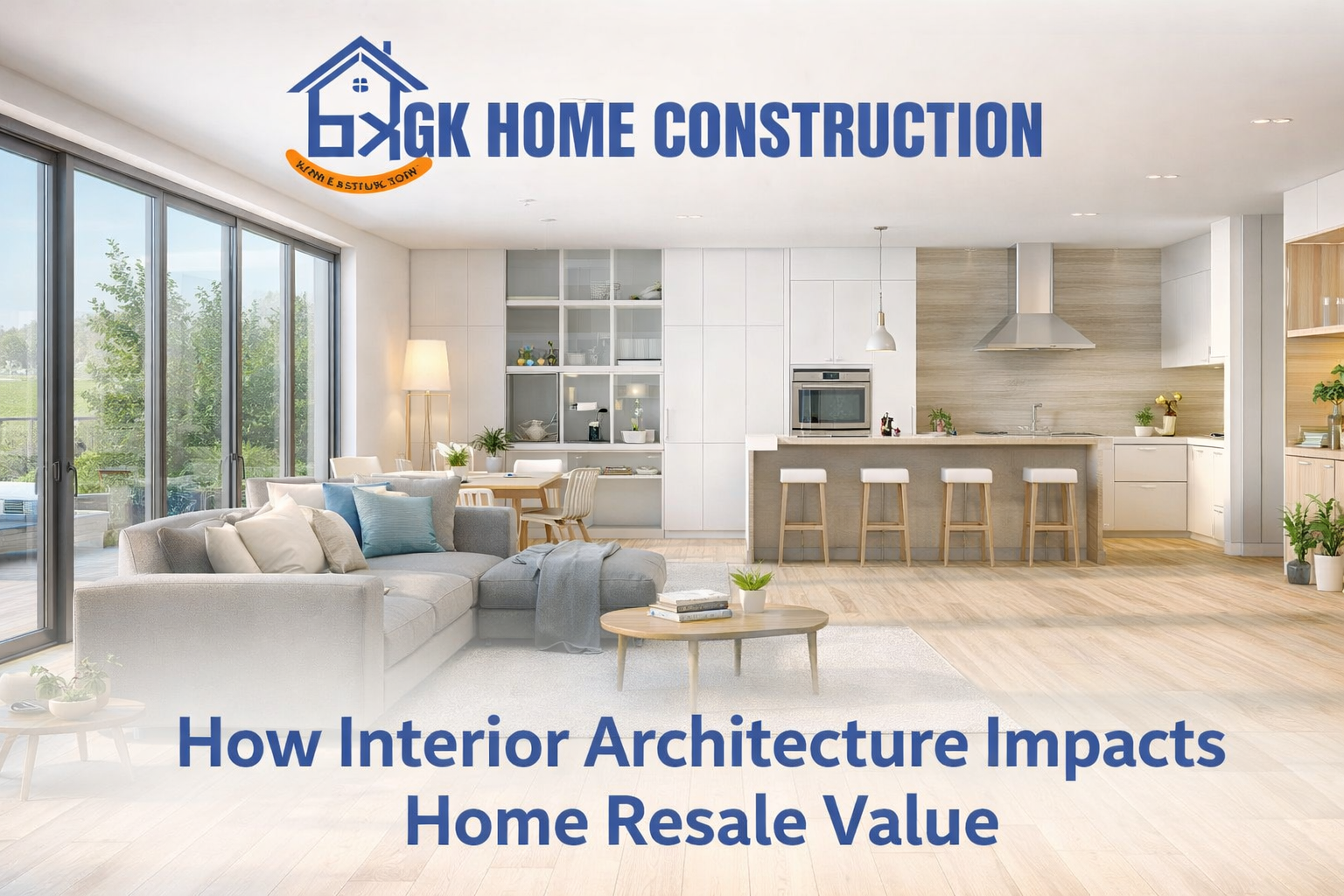
When homeowners think about increasing the value of their property, they often focus on exterior upgrades, fresh paint, or landscaping. However, one of the most powerful yet sometimes overlooked factors influencing property value is interior architecture. Interior architecture goes beyond simple decoration; it focuses on the structural design, functionality, and spatial planning inside a home. Elements such as layout, natural lighting, material selection, and space optimization play a crucial role in shaping buyer perception. A well-planned interior architecture not only improves daily living but can also significantly increase a home’s resale value when it enters the real estate market.
Interior architecture focuses on how spaces within a home are designed, connected, and utilized. It combines architectural design with interior functionality to create efficient and aesthetically pleasing living environments. Buyers today are increasingly looking for homes that feel open, practical, and modern. Properties that feature thoughtful interior architecture tend to stand out in the market because they offer a balance between beauty and usability. When potential buyers walk into a house with well-designed interiors, they can immediately visualize living comfortably in that space, which positively influences their purchasing decision.
Functional Layout Improves Buyer Appeal
One of the most important aspects of interior architecture is the layout of a home. A functional layout ensures that every space within the property serves a purpose and flows naturally from one area to another. Modern buyers often prefer open floor plans where living rooms, dining areas, and kitchens connect seamlessly. This type of layout creates a sense of spaciousness and improves social interaction within the home.
In contrast, homes with poorly designed layouts—such as narrow corridors, isolated rooms, or unused spaces—may feel cramped and outdated. Interior architecture can solve these problems by reorganizing space, removing unnecessary partitions, and improving movement within the home. When buyers experience a home that feels open and well-organized, they often perceive it as more valuable, even if the square footage remains the same.
Natural Lighting Enhances Property Value
Natural light is another essential element of interior architecture that significantly affects resale value. Homes with large windows, well-positioned openings, and thoughtful daylight planning feel brighter and more inviting. Natural lighting improves mood, reduces the need for artificial lighting, and creates a welcoming atmosphere for occupants.
Interior architects often design spaces to maximize daylight by strategically placing windows, skylights, or glass partitions. Even small design adjustments such as wider window frames or reflective interior materials can dramatically improve the brightness of a space. When buyers walk into a naturally well-lit home, they often associate it with comfort, energy efficiency, and modern living standards, which can increase their willingness to pay a higher price.
Space Optimization Creates Perceived Luxury
Efficient space utilization is another major factor that influences home resale value. Interior architecture ensures that every corner of the home is used effectively without feeling cluttered. Smart storage solutions, built-in furniture, and multi-functional spaces can transform even smaller homes into highly practical living environments.
For example, built-in wardrobes, modular kitchen systems, and concealed storage areas help maintain a clean and organized appearance. Buyers appreciate homes where storage has already been thoughtfully integrated into the design. This reduces the need for additional furniture and allows the property to feel more spacious. Homes that demonstrate clever space optimization often appear more luxurious and well-planned, which directly contributes to higher resale value.
Material Quality and Design Consistency
Interior architecture also focuses heavily on the quality and consistency of materials used throughout the home. Flooring, wall finishes, ceiling treatments, and cabinetry materials all contribute to the overall perception of quality. When these elements are carefully selected and coordinated, the home achieves a cohesive and sophisticated look.
For instance, using durable flooring materials, high-quality tiles, or well-finished woodwork creates a sense of longevity and craftsmanship. Buyers often associate such materials with reduced maintenance and long-term reliability. Additionally, consistent design themes across rooms help the home feel professionally designed rather than randomly decorated. This sense of design harmony can significantly increase buyer confidence and perceived property value.
Modern Kitchen and Bathroom Design
Kitchens and bathrooms are often considered the most influential areas when evaluating a home’s resale value. Interior architecture plays a crucial role in designing these spaces to be both functional and visually appealing. Modern kitchens with efficient work triangles, adequate storage, and durable countertops are highly desirable among buyers.
Similarly, well-designed bathrooms with proper ventilation, modern fixtures, and comfortable layouts contribute to the overall impression of the home. Even relatively small improvements—such as better lighting, improved tile layouts, or upgraded fittings—can elevate the perception of these spaces. Since buyers often prioritize kitchens and bathrooms during property evaluations, well-planned interior architecture in these areas can significantly boost resale potential.
Energy Efficiency and Sustainable Design
Modern interior architecture increasingly incorporates energy-efficient and sustainable design principles. Features such as improved insulation, energy-efficient lighting, ventilation planning, and eco-friendly materials are becoming more attractive to buyers. Homes designed with sustainability in mind often have lower utility costs and reduced environmental impact.
Buyers today are more conscious of long-term operational expenses and environmental responsibility. A home that demonstrates thoughtful design for energy efficiency not only saves money but also reflects modern construction standards. As sustainability continues to influence real estate trends, interior architecture that supports energy efficiency can contribute positively to resale value.
Emotional Connection and First Impressions
Beyond functionality and materials, interior architecture also influences the emotional response of potential buyers. When people visit a home, they often form an impression within the first few minutes. A well-designed interior creates a sense of comfort, balance, and visual appeal that can immediately attract buyers.
Interior architecture carefully considers proportions, lighting layers, textures, and spatial harmony to create pleasant living environments. When buyers feel emotionally connected to a space, they are more likely to imagine themselves living there. This emotional connection often plays a crucial role in competitive real estate markets where multiple properties are available. Homes that evoke positive emotions through thoughtful design tend to sell faster and at better prices.
Long-Term Value of Good Interior Architecture
Investing in strong interior architecture is not just about immediate visual improvement; it is about creating lasting value. A well-designed interior remains functional and attractive for many years, reducing the need for frequent renovations. Buyers recognize the benefits of purchasing a property that has already been thoughtfully designed and carefully constructed.
Good interior architecture balances aesthetics, functionality, and durability. When these elements are combined effectively, the home becomes more appealing to a wide range of potential buyers. This broader appeal increases the likelihood of faster sales and higher offers. In competitive housing markets, properties with superior interior design often stand out and command premium pricing.
Conclusion
Interior architecture plays a critical role in shaping how a home is perceived and valued in the real estate market. From functional layouts and natural lighting to material quality and efficient space utilization, every aspect of interior design contributes to the overall appeal of a property. Buyers today are looking for homes that offer comfort, practicality, and modern design, and interior architecture helps deliver these qualities.
For homeowners planning to sell in the future, investing in thoughtful interior architecture can significantly enhance resale potential. By creating spaces that are functional, aesthetically pleasing, and adaptable to modern lifestyles, homeowners can ensure their property stands out in the market. Ultimately, a well-designed interior not only improves everyday living but also becomes a valuable asset when the time comes to sell the home.