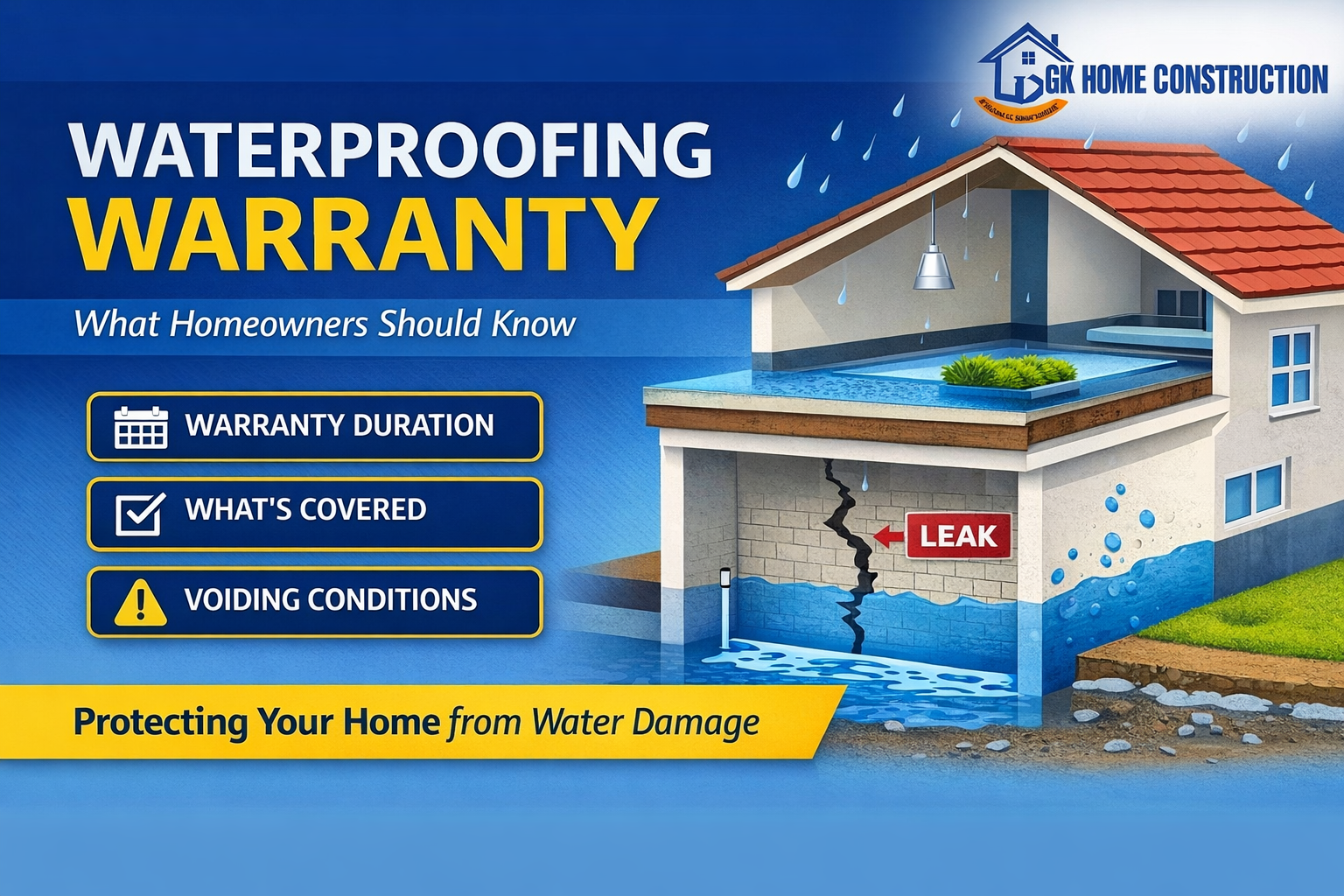
Waterproofing is one of the most important aspects of home construction, especially in regions that experience heavy rains, humidity, and seasonal climate changes. Many homeowners invest in waterproofing solutions for their roofs, terraces, bathrooms, and basements to prevent water seepage and structural damage. However, one important factor that is often overlooked is the waterproofing warranty. A warranty provides assurance that the waterproofing system will perform as expected for a certain period. Understanding how waterproofing warranties work can help homeowners protect their investment and avoid costly repairs in the future.
Understanding the Importance of Waterproofing Warranty
A waterproofing warranty is essentially a guarantee provided by a contractor or manufacturer that the waterproofing system installed in your home will perform effectively for a specified duration. If any failure occurs within the warranty period due to material defects or improper application, the responsible party must repair or replace the damaged area according to the terms of the agreement.
For homeowners, this warranty acts as a form of security. Waterproofing is not a small investment, and poor workmanship or low-quality materials can lead to leakage problems within a short time. Without a warranty, homeowners may have to bear the entire repair cost. A proper warranty ensures that if something goes wrong within the specified period, the contractor or manufacturer will take responsibility.
Types of Waterproofing Warranties
Waterproofing warranties usually fall into two main categories: manufacturer warranty and contractor workmanship warranty. Understanding the difference between these two types is very important when choosing a waterproofing service.
A manufacturer warranty covers defects in the waterproofing materials used during the installation. This means that if the product itself fails due to quality issues, the manufacturer may provide replacement materials or compensation according to their policy. However, this type of warranty does not usually cover installation mistakes.
On the other hand, a workmanship warranty is provided by the contractor who performs the waterproofing work. This warranty ensures that the waterproofing system has been installed correctly according to industry standards. If leakage occurs because of poor application or installation errors, the contractor is responsible for fixing the issue.
The most reliable waterproofing solutions usually include both types of warranties. When homeowners receive coverage from both the product manufacturer and the contractor, they gain better protection against potential waterproofing failures.
Typical Warranty Duration for Waterproofing
The duration of a waterproofing warranty can vary depending on the materials used, the area where the waterproofing is applied, and the contractor providing the service. In many residential construction projects, waterproofing warranties range from 5 to 10 years.
For example, terrace waterproofing systems using high-quality membranes or coatings may come with warranties lasting up to 10 years when installed properly. Bathroom waterproofing systems might offer warranties of around 5 to 7 years because these areas are exposed to constant moisture and frequent use.
However, the warranty duration alone should not be the only factor homeowners consider. It is equally important to review the terms and conditions of the warranty agreement to understand what is actually covered.
Key Elements Included in a Waterproofing Warranty
A well-defined waterproofing warranty should clearly explain several important aspects of coverage. Homeowners should carefully review the warranty document before finalizing the construction or waterproofing work.
One important element is the scope of coverage. The warranty should specify whether it covers only material defects, workmanship errors, or both. It should also mention the specific areas of the house that are covered under the warranty, such as the terrace, bathrooms, water tanks, or basement.
Another important aspect is the repair responsibility. The warranty should clearly state who will handle repairs if leakage occurs. In most cases, the contractor who performed the waterproofing work will inspect the issue and carry out the necessary repairs.
The document should also explain the conditions under which the warranty remains valid. Many warranties require proper maintenance of the waterproofed area. For example, structural modifications, drilling, or installing additional structures on the terrace may void the warranty.
Common Conditions That May Void the Warranty
While waterproofing warranties provide protection, they also include certain limitations. If homeowners do not follow the recommended guidelines, the warranty may become invalid.
One common reason for warranty cancellation is structural alterations. If a homeowner modifies the terrace or bathroom layout after waterproofing is completed, it can damage the waterproofing layer. In such cases, contractors may not be responsible for future leakage problems.
Another common issue is lack of proper maintenance. For example, blocked drainage systems on terraces can cause water accumulation, which increases pressure on the waterproofing layer. If the drainage system is not maintained properly, it may lead to leakage that is not covered under the warranty.
Physical damage to the waterproofing layer caused by heavy equipment, drilling, or construction activities can also void the warranty. Homeowners should always consult the contractor before making modifications in waterproofed areas.
Why Professional Waterproofing Installation Matters
Even the best waterproofing materials cannot perform effectively if they are installed incorrectly. Many waterproofing failures occur not because of poor materials, but because of improper application techniques. This is why hiring experienced professionals is extremely important.
Professional contractors follow proper surface preparation methods, apply the waterproofing system according to manufacturer guidelines, and conduct quality checks during the installation process. These steps ensure that the waterproofing system performs effectively for many years.
Additionally, professional companies usually provide clear documentation of the warranty, including the duration, coverage details, and maintenance recommendations. This transparency helps homeowners understand their rights and responsibilities.
Tips for Homeowners Before Accepting a Waterproofing Warranty
Before accepting a waterproofing warranty, homeowners should take a few important steps to ensure they are fully protected. First, always request a written warranty document. Verbal promises are not reliable when dealing with construction warranties.
Second, verify the credibility of the contractor or construction company providing the waterproofing service. Experienced companies are more likely to provide genuine warranties and stand behind their work.
Third, ask about the materials being used for waterproofing. High-quality products typically come with manufacturer warranties that add an extra layer of protection for homeowners.
Finally, make sure the warranty document clearly mentions the duration, scope of coverage, and repair process. Understanding these details in advance helps prevent misunderstandings in the future.
Conclusion
Waterproofing plays a crucial role in protecting homes from water damage, structural deterioration, and costly repairs. While selecting the right waterproofing method and materials is important, understanding the waterproofing warranty is equally essential for homeowners.
A good warranty ensures that the waterproofing system will perform as expected and provides financial protection if problems arise within the coverage period. By carefully reviewing warranty terms, choosing experienced contractors, and maintaining waterproofed areas properly, homeowners can ensure long-lasting protection for their property.
For construction companies and homeowners alike, waterproofing warranties create accountability and trust. When done correctly, waterproofing combined with a reliable warranty can significantly extend the lifespan of a building and provide peace of mind for years to come.