Understanding the Need for Waterproofing in Old Buildings
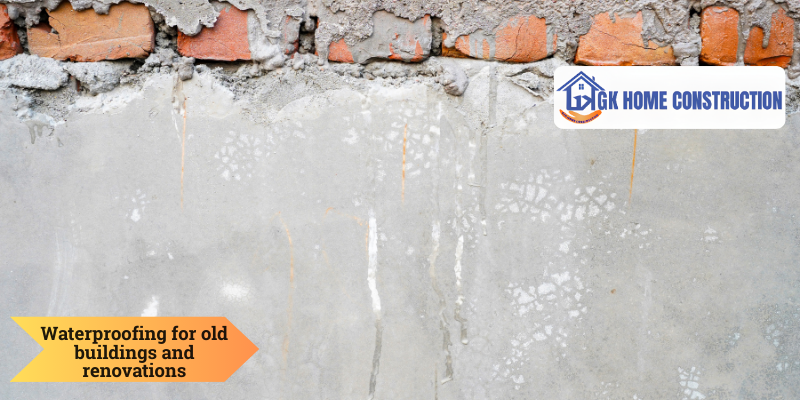
Old buildings often face issues such as cracks, peeling plaster, damp walls, and water seepage due to aging materials and prolonged exposure to moisture. Over time, foundations weaken, drainage systems fail, and protective layers wear off. Without proper waterproofing, these issues can lead to severe structural damage, unhealthy living conditions, and costly repairs. Therefore, waterproofing becomes an essential step during renovation to restore strength, safety, and durability.
Common Water-Related Problems in Aged Structures
Renovated or old properties commonly suffer from roof leakage, basement dampness, wall seepage, and rising moisture from the ground. These issues are usually caused by worn-out waterproof coatings, damaged plumbing lines, poor drainage, or cracks in concrete and masonry. If left untreated, water penetration can weaken beams, corrode steel, and promote mold growth, reducing both property value and comfort.
Effective Waterproofing Methods for Renovation Projects
During renovation, professionals assess the building’s condition and choose suitable waterproofing techniques. Common methods include cementitious waterproofing for internal walls, membrane systems for terraces and roofs, chemical injections for cracks, and bituminous coatings for foundations. In bathrooms and kitchens, liquid-applied waterproof layers are widely used to prevent leakage. Selecting the right method ensures long-lasting protection and compatibility with old structures.
Waterproofing Strategies for Safe and Durable Building Renovations
Waterproofing is an essential part of renovating old buildings, as aging structures are more prone to water seepage, dampness, and structural deterioration caused by years of exposure to rain, moisture, and changing weather conditions. Cracked walls, worn-out roofs, damaged terraces, leaking bathrooms, and weakened foundations can allow water to penetrate the building, leading to mold growth, peeling paint, corrosion of reinforcement steel, and costly repairs. During renovation, a thorough inspection helps identify vulnerable areas so that suitable waterproofing systems—such as cementitious coatings, liquid waterproof membranes, polyurethane coatings, crystalline waterproofing, or exterior wall sealants—can be applied based on the specific requirements of the structure. Investing in professional waterproofing not only protects the renovated building from future water damage but also improves structural durability, enhances indoor comfort, reduces long-term maintenance costs, and increases the overall value and lifespan of the property. Proper waterproofing ensures that renovated homes and buildings remain safe, dry, and resilient for many years to come.
Importance of Surface Preparation and Repairs
Before applying any waterproofing material, surface preparation is crucial. All loose plaster, damaged concrete, and old coatings must be removed. Cracks should be sealed, joints repaired, and drainage issues corrected. Proper cleaning and leveling of surfaces allow waterproofing materials to bond effectively, improving performance and lifespan.
️Without preparation, even high-quality products may fail.
Benefits of Waterproofing During Renovation
Waterproofing old buildings during renovation offers multiple benefits. It prevents future leakage, improves indoor air quality, enhances structural stability, and reduces maintenance costs. It also increases property value and provides occupants with peace of mind. A well-waterproofed building remains comfortable, safe, and resilient against seasonal weather changes.
Maintenance and Long-Term Care
Even after waterproofing, regular inspections are essential to maintain effectiveness. Checking for cracks, blocked drains, or surface damage helps detect problems early. Timely repairs and periodic recoating can extend the life of waterproofing systems, ensuring continuous protection for decades.
Conclusion
Waterproofing is a vital part of renovating old buildings, as it strengthens the structure and prevents long-term damage. By identifying problem areas, choosing the right techniques, and maintaining protective layers, property owners can preserve their buildings for the future. Investing in professional waterproofing during renovation ensures durability, safety, and lasting comfort.