Building a house is a milestone decision that involves careful planning, technical expertise, and systematic execution. For homeowners, understanding the stages of house construction helps in making informed decisions, tracking progress, and ensuring quality at every step. From the moment a plot is finalized to the day the keys are handed over, the journey follows a structured process. Each stage plays a critical role in ensuring the safety, durability, and long-term value of the home. Below is a complete explanation of the construction stages, from foundation to handover, presented in a clear and practical manner.
1. Planning and Design Stage
Every successful house construction project begins with detailed planning and design. This is the stage where ideas are converted into drawings and technical documents. It includes site analysis, soil testing, architectural planning, structural design, and cost estimation. The soil test is particularly important because it determines the type of foundation required for the building. Based on the soil report, structural engineers design a foundation that can safely transfer the load of the building to the ground.
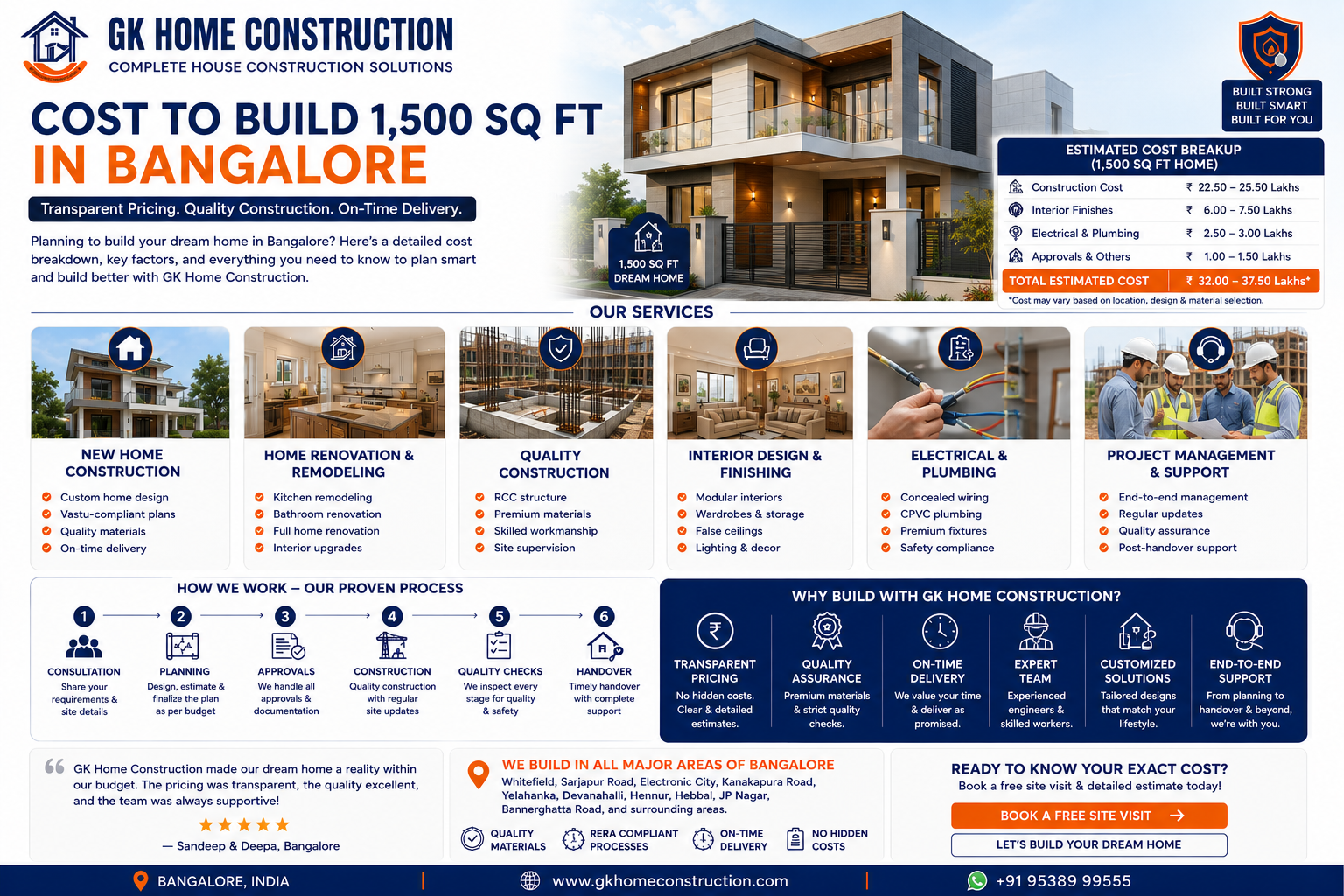
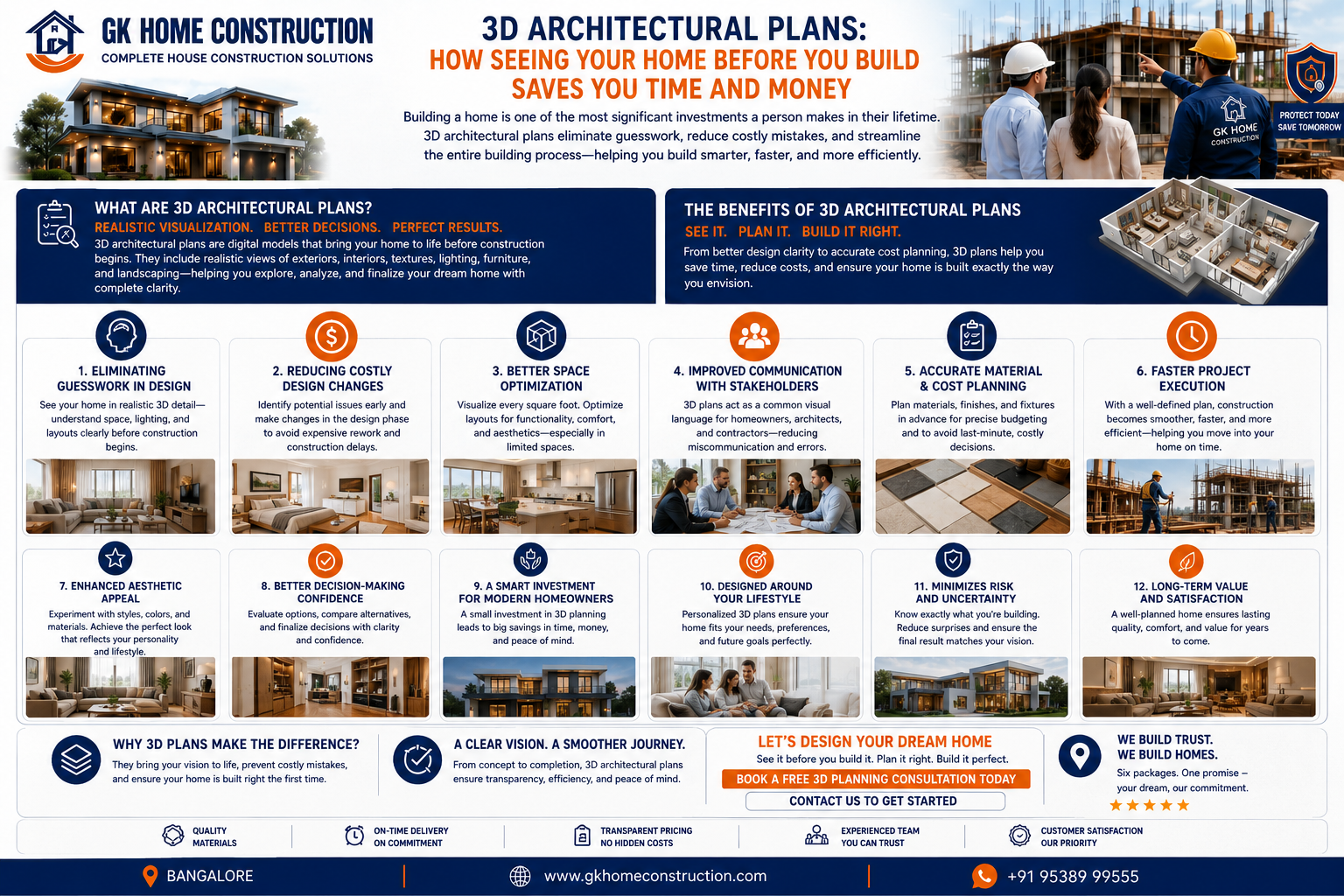
At this stage, floor plans, elevation designs, and 3D views are prepared. Electrical and plumbing layouts are also planned in advance to avoid future complications. Budget planning and material selection are finalized, and statutory approvals from local authorities are obtained before construction begins. A strong planning stage prevents delays, design errors, and cost overruns later in the project.
2. Site Preparation and Layout Marking
Once approvals are secured, the physical construction process begins with site preparation. This stage includes clearing vegetation, removing debris, leveling the land, and marking the building layout as per the approved drawings. The layout marking is done carefully using reference points to ensure that the building is constructed exactly according to the design dimensions.
Excavation is carried out based on the foundation design. The depth of excavation depends on soil conditions and structural requirements. Proper site preparation ensures a smooth transition to the foundation stage and reduces the risk of structural misalignment.
3. Foundation Work
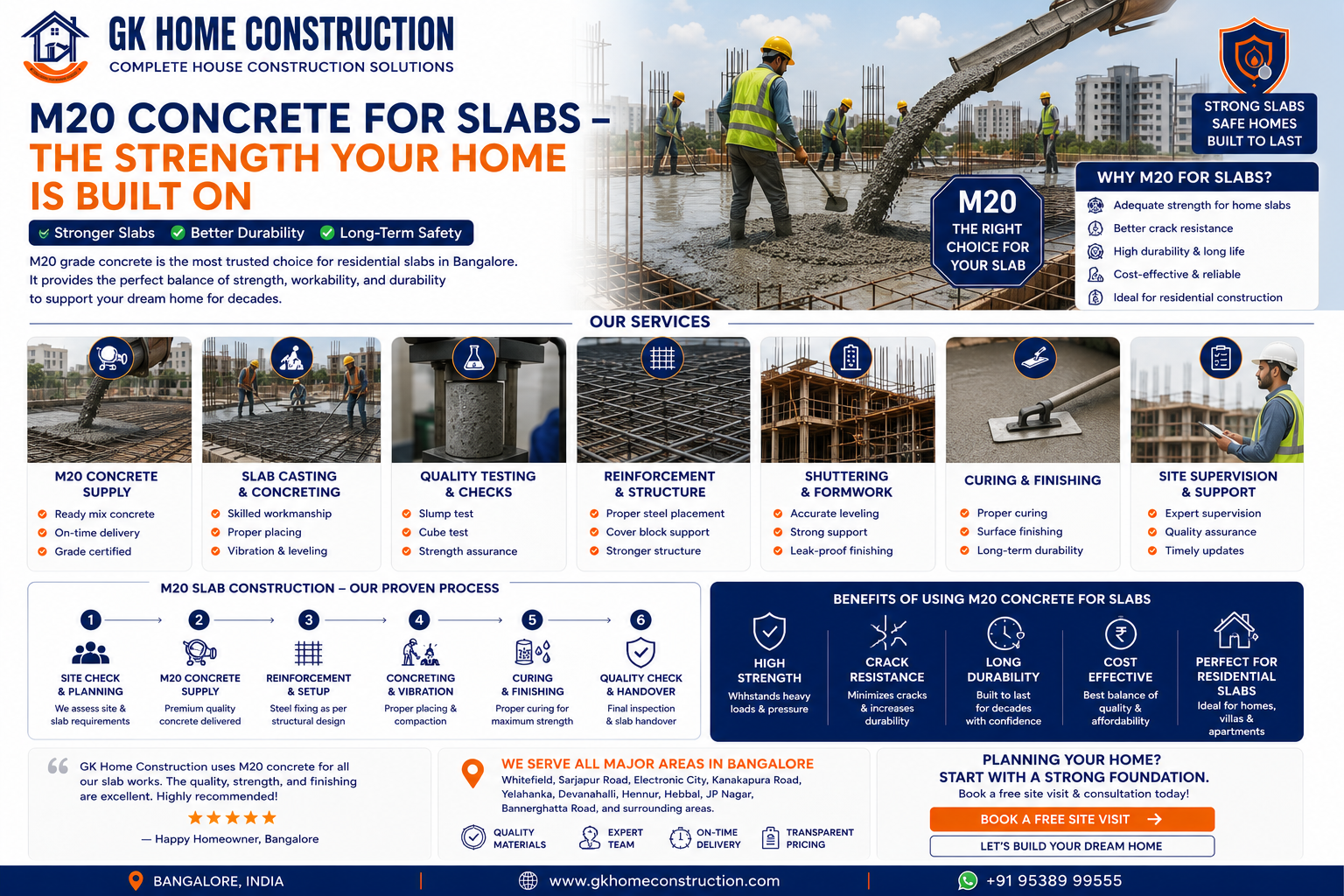
The foundation is the most critical part of any house construction. It supports the entire structure and ensures stability over time. After excavation, footing reinforcement is placed according to structural drawings. Concrete is then poured to form the footings and foundation beams.
In many modern homes, Reinforced Cement Concrete (RCC) foundations are used due to their strength and durability. Waterproofing measures are often applied at this stage to prevent future moisture issues. Backfilling is done after the foundation structure is completed and cured properly. A strong and well-executed foundation ensures the building can withstand loads, weather conditions, and soil movement for decades.
4. Plinth Work and Ground Floor Slab
After completing the foundation, plinth beams are constructed above ground level. The plinth level acts as a transition between the foundation and the superstructure. It helps protect the building from surface water and soil moisture.
The ground floor slab is then laid. Before pouring concrete, plumbing lines and electrical conduits that pass through the slab are installed. Proper curing of concrete is essential to achieve maximum strength. This stage sets the base for the entire building structure and must be executed with precision.
5. Superstructure Construction
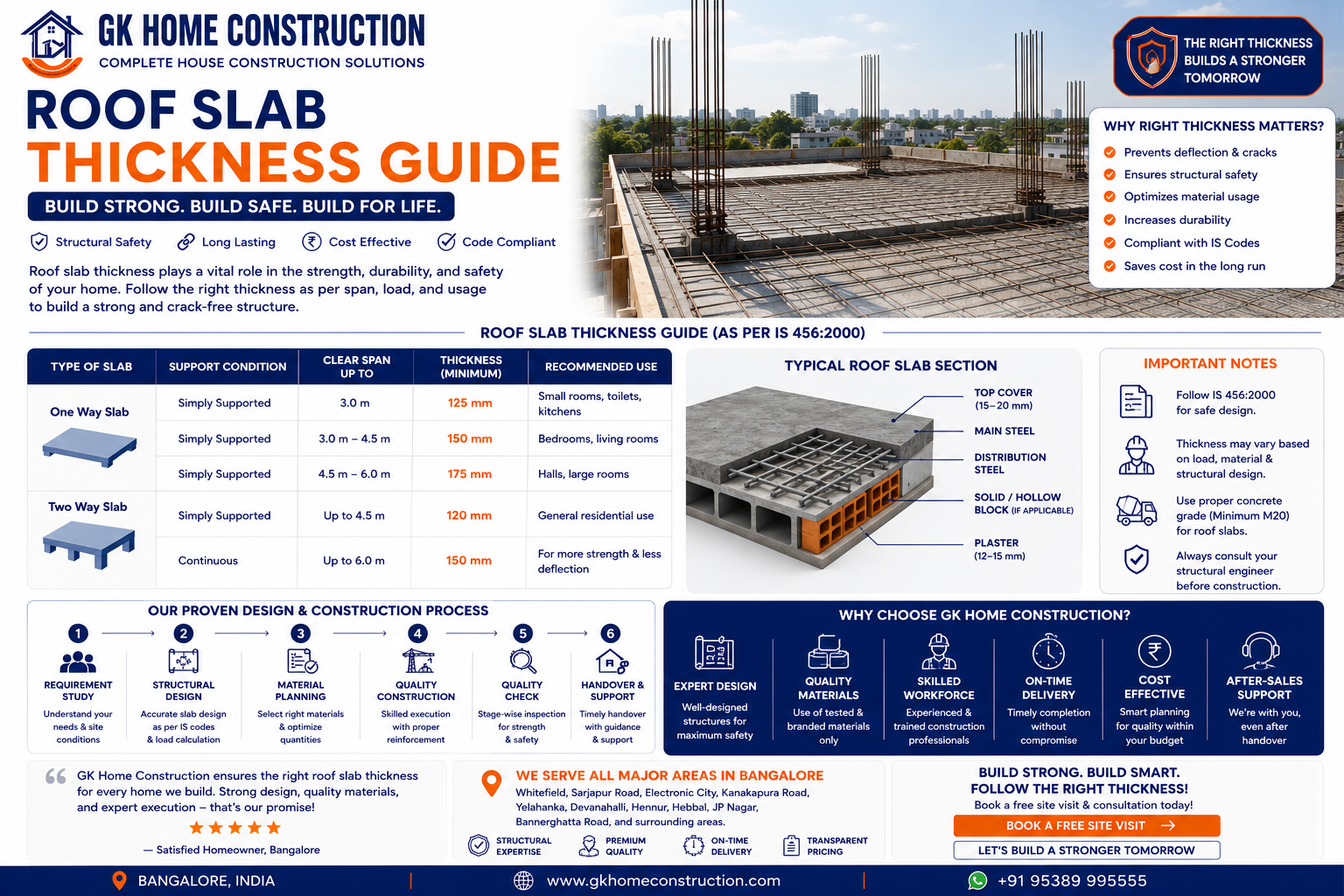
The superstructure includes columns, beams, walls, and slabs that form the main structural framework of the house. Columns are cast first, followed by beams and roof slabs. Brickwork or blockwork is carried out to form internal and external walls.
Each slab requires shuttering, reinforcement placement, electrical conduit installation, and concrete pouring. After pouring, adequate curing is maintained for structural strength. The superstructure stage defines the shape and layout of the house and requires strict quality control to ensure alignment, load distribution, and safety.
6. Roofing and Waterproofing
Once the structural framework is complete, roofing and waterproofing become essential tasks. The terrace slab is waterproofed to prevent leakage during monsoon seasons. Waterproofing membranes or chemical coatings are applied depending on the project specifications.
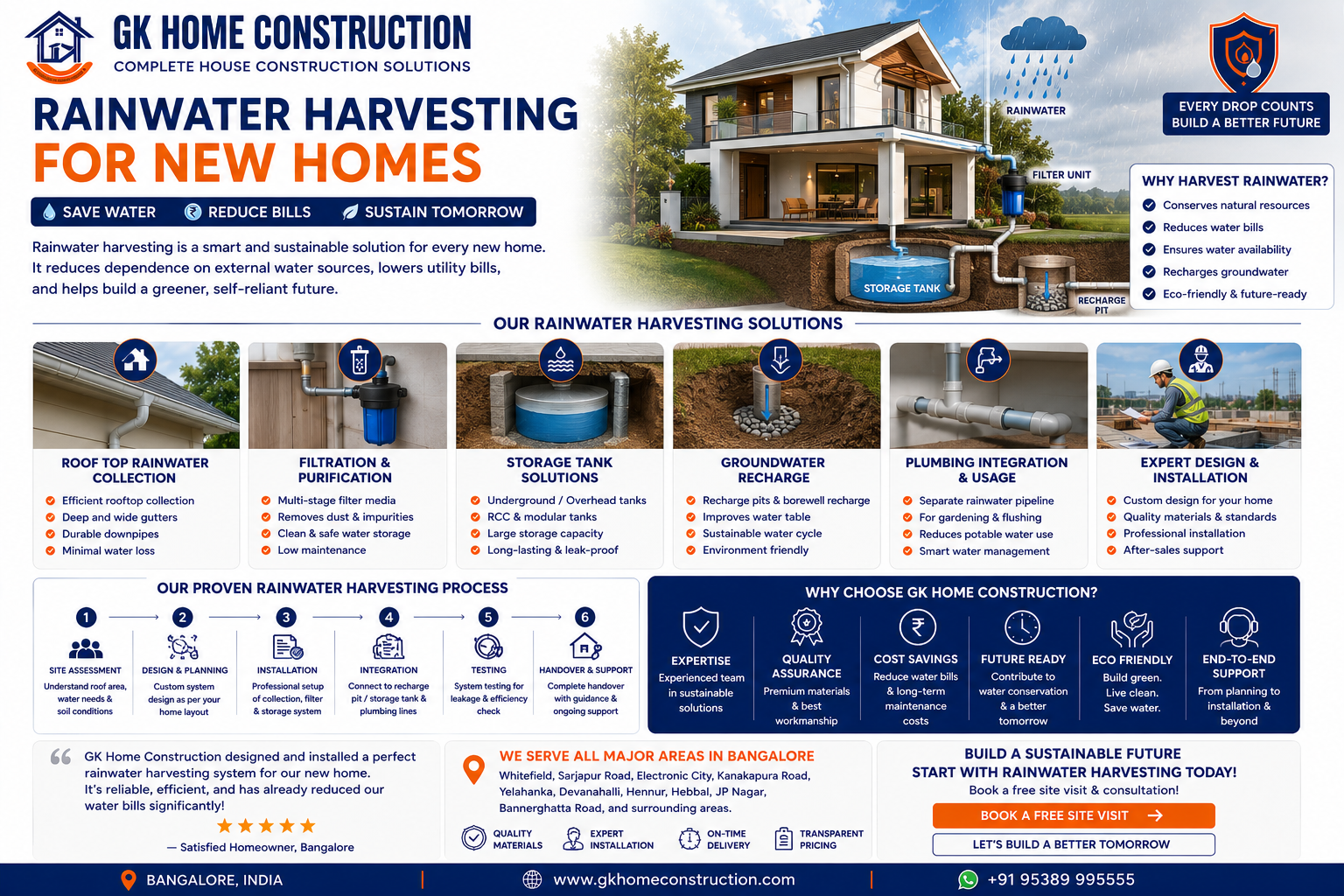
Proper slope is provided on the terrace to ensure smooth rainwater drainage. Waterproofing at this stage prevents long-term issues like dampness, seepage, and structural damage. This step protects the durability of the building.
7. Electrical and Plumbing Work (MEP Works)
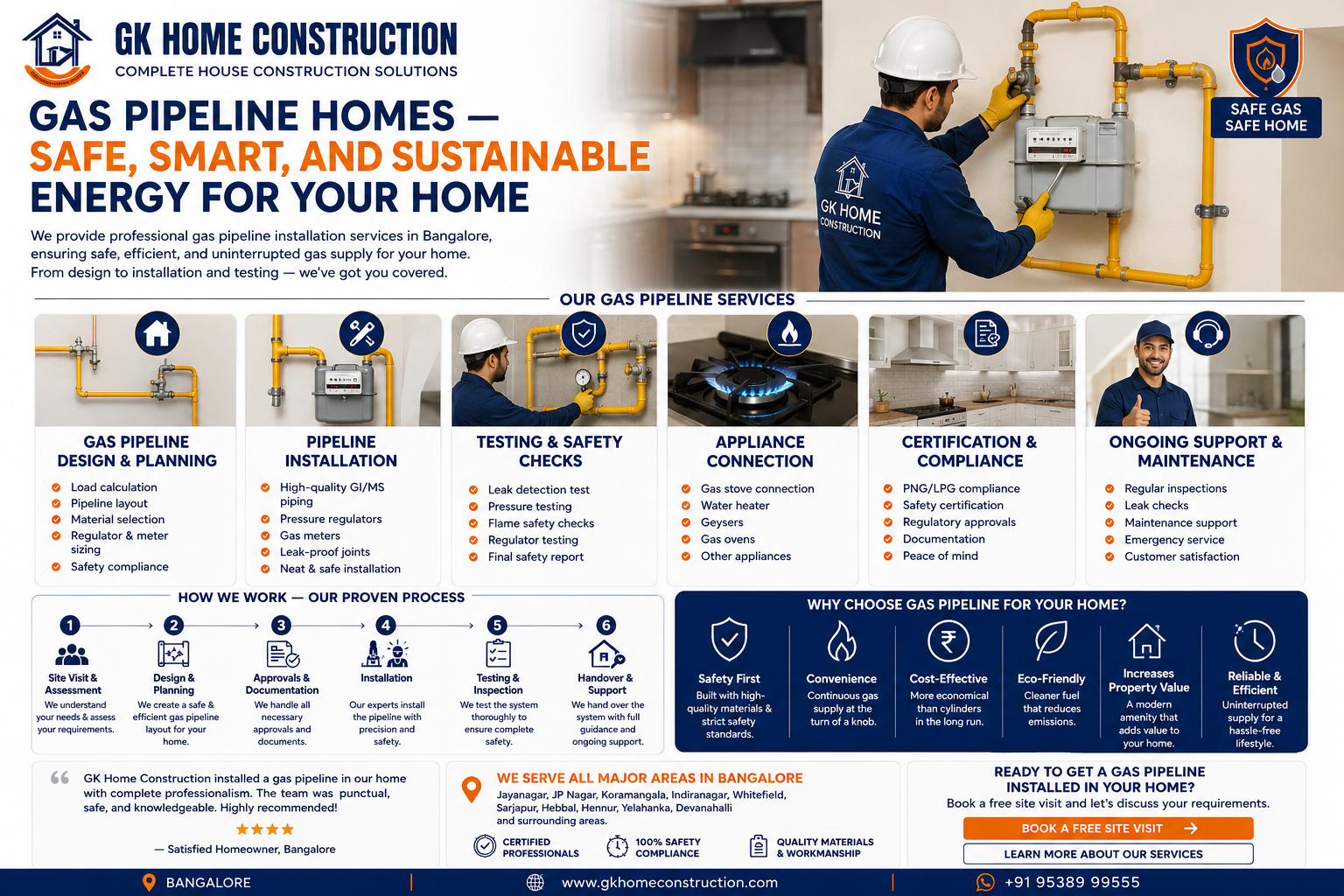
Mechanical, Electrical, and Plumbing (MEP) installations are carried out after the structural work. Concealed electrical wiring, switch boxes, and distribution boards are installed as per the electrical layout. Plumbing lines for bathrooms, kitchens, and utility areas are placed within walls and floors.
Water supply lines, drainage pipes, and ventilation pipes are fixed carefully to avoid leakage or blockages. Proper testing is conducted to ensure there are no faults before closing the walls with plaster. This stage is crucial for ensuring comfort, safety, and functionality inside the home.
8. Plastering and Internal Finishing Base
Plastering is done for both internal and external walls to create a smooth and even surface. Internal plaster improves the appearance of walls and prepares them for painting. External plaster protects the structure from weather exposure.
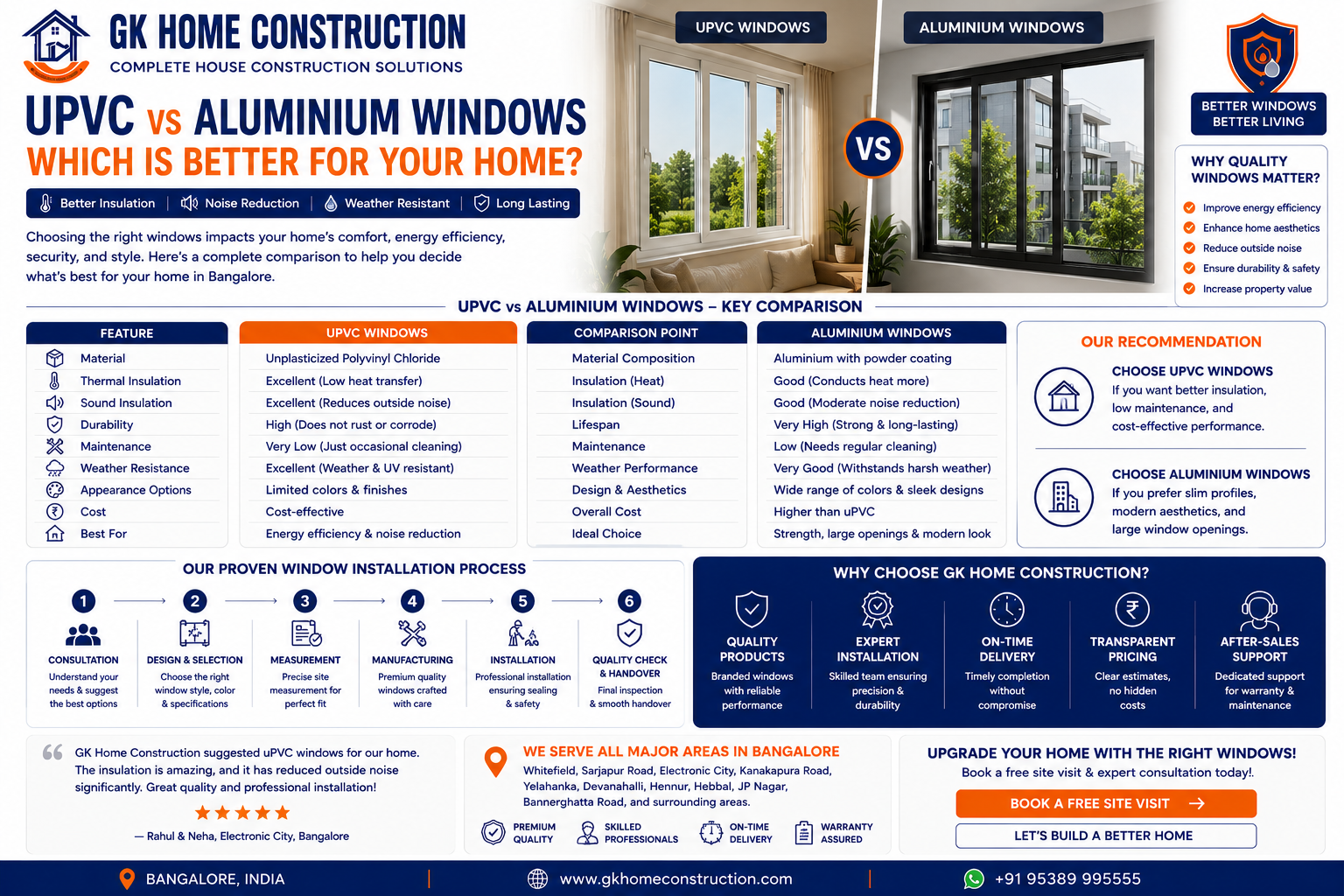
After plastering, flooring base preparation is done. Screeding ensures the floor level is uniform. Door frames and window frames are installed during this stage. Attention to detail during plastering ensures a refined and crack-free finish.
9. Flooring, Tiling, and Carpentry
Flooring materials such as vitrified tiles, granite, marble, or other finishes are laid according to the design plan. Bathroom and kitchen walls are tiled to ensure hygiene and water resistance.
Carpentry work, including door shutters, wardrobes, cabinets, and kitchen units, is completed during this phase. Precision in carpentry enhances both functionality and aesthetic appeal. Proper alignment and finishing contribute significantly to the overall look of the house.
10. Painting and Final Finishes
Painting transforms the house into a visually appealing home. A primer coat is applied first, followed by multiple coats of paint. Exterior painting protects the building from weather conditions, while interior painting enhances aesthetics.
Fixtures such as switches, lights, sanitary fittings, taps, and hardware are installed. Final polishing, cleaning, and touch-ups are carried out. This stage adds character and personality to the house while ensuring all systems are functional.
11. External Development Works
External works include compound wall construction, gate installation, landscaping, driveway paving, and drainage systems. Proper site grading ensures rainwater flows away from the building.
These finishing touches enhance the usability and visual appeal of the property. A well-developed exterior increases property value and ensures a pleasant living environment.
12. Quality Inspection and Handover
The final stage of house construction is inspection and handover. A thorough quality check is conducted to ensure structural integrity, finishing quality, and proper functioning of electrical and plumbing systems. Any minor defects are rectified before completion.
Once everything meets the required standards, the project is handed over to the homeowner along with relevant documents such as warranties, drawings, and approvals. A smooth handover reflects professional project management and quality construction practices.
Conclusion
Understanding the stages of house construction helps homeowners stay confident and informed throughout the building journey. From planning and foundation to finishing and handover, each phase plays a vital role in creating a safe, durable, and aesthetically pleasing home. Proper supervision, quality materials, and experienced professionals ensure that every stage is executed efficiently. When the construction process follows a structured approach, the result is not just a building, but a home built to last for generations.