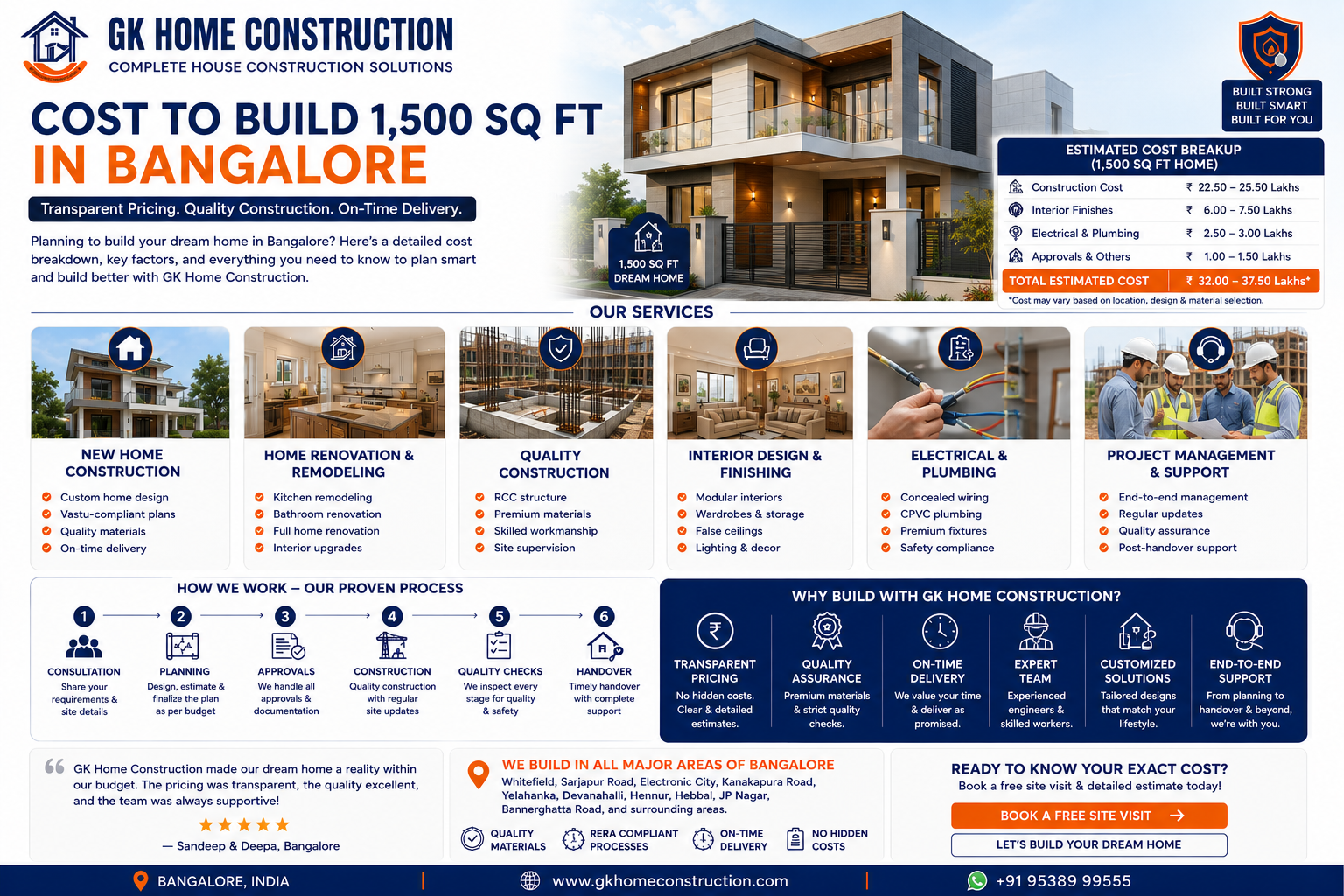
Building a home is one of the most important investments in a person’s life. From planning and design to final handover, every stage plays a vital role in creating a safe, comfortable, and durable living space. However, without a clear construction timeline, many homeowners face delays, budget overruns, and unnecessary stress. A well-planned construction timeline checklist helps you stay organized, monitor progress, and ensure that your dream home is completed on time and within budget. This guide explains each stage of the construction process and provides homeowners with a practical roadmap to follow from start to finish.
Understanding the Importance of a Construction Timeline
A construction timeline acts as a roadmap for your home-building journey. It outlines the sequence of activities, estimated durations, and responsibilities involved in the project. Without a proper timeline, work can become unorganized, leading to confusion among contractors, suppliers, and homeowners. A clear schedule ensures better coordination, timely delivery of materials, and efficient use of labor. It also helps homeowners track progress and make informed decisions at every stage. When followed correctly, a timeline minimizes risks, reduces waste, and improves overall project quality.
Pre-Construction Planning and Preparation
The foundation of a successful home construction project lies in proper pre-construction planning. This stage involves finalizing the budget, selecting the plot, and determining the overall scope of work. Homeowners should work closely with architects and engineers to prepare detailed drawings and structural plans. Soil testing, site surveys, and feasibility studies are also conducted during this phase to ensure the land is suitable for construction.
Additionally, obtaining approvals and permits from local authorities is a crucial part of this stage. Legal clearances, building permits, and utility connections must be secured before construction begins. Delays in approvals can affect the entire schedule, so it is important to complete this process early. Proper planning at this stage helps avoid costly changes later.
Design Development and Material Selection
Once planning is complete, the next step is developing detailed designs and selecting materials. This phase includes finalizing architectural layouts, interior designs, electrical plans, plumbing systems, and elevation details. Homeowners should review these plans carefully and suggest modifications if needed.
Material selection is equally important, as it directly affects durability, aesthetics, and cost. Choices related to cement, steel, bricks, tiles, doors, windows, and fittings should be finalized in advance. Early material planning helps prevent shortages and price fluctuations. This stage ensures that construction proceeds smoothly without frequent interruptions.
Site Preparation and Foundation Work
After completing the design and approval process, physical work on the site begins. Site preparation includes clearing debris, leveling the ground, and marking boundaries. Temporary facilities such as storage sheds, water supply, and worker accommodations may also be arranged.
Foundation work follows site preparation and is one of the most critical phases of construction. Depending on soil conditions and building design, different types of foundations are used. Excavation, footing construction, reinforcement placement, and concrete pouring are carefully executed. Proper curing and inspection are essential to ensure long-term structural stability. A strong foundation ensures the safety and longevity of the entire building.
Structural Construction and Framing
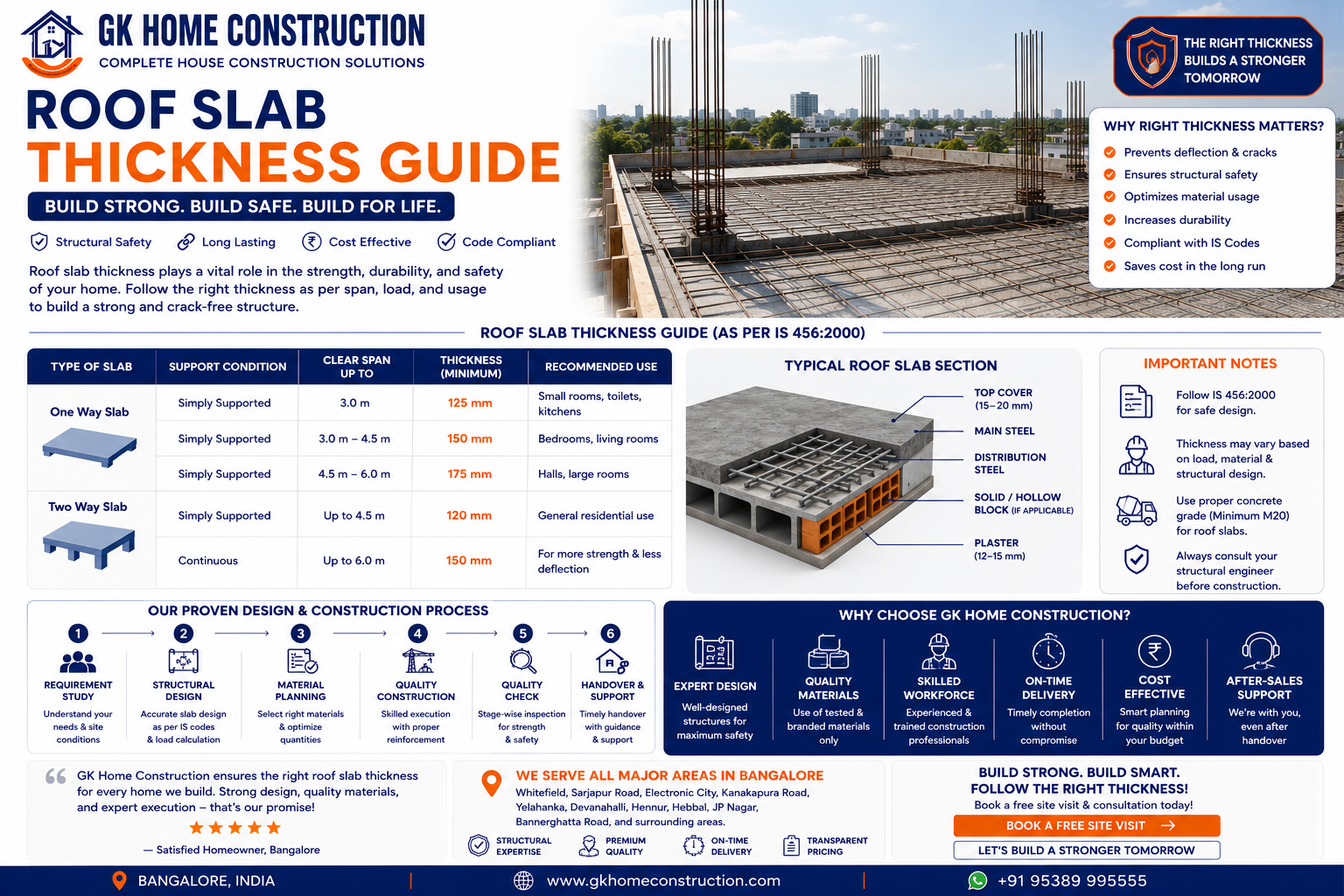
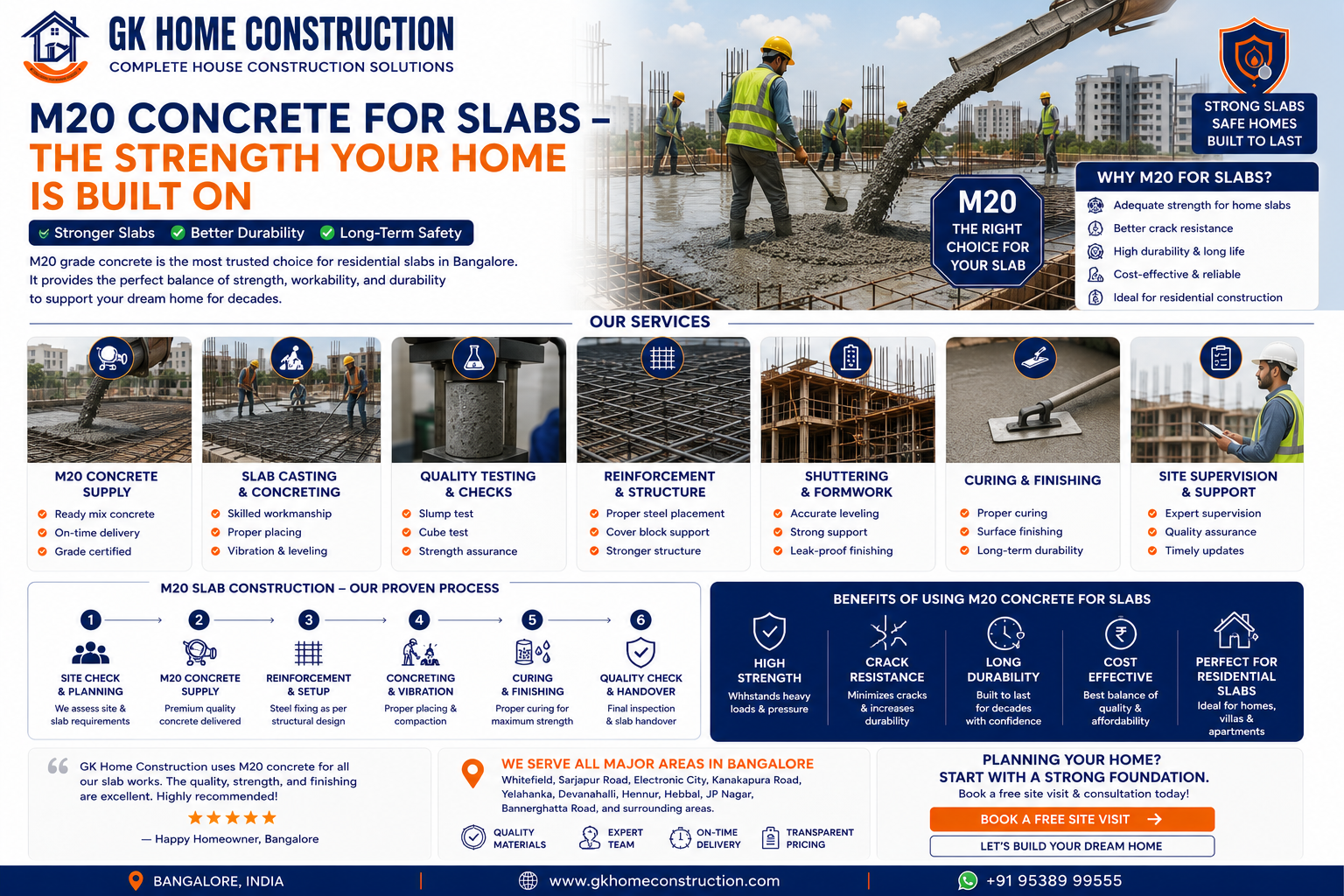
Once the foundation is ready, the main structure of the house begins to take shape. This stage includes building columns, beams, slabs, and walls. Brickwork or blockwork is carried out according to the approved drawings. Floor slabs and roof slabs are constructed in sequence.
This phase requires skilled labor and strict quality control. Any mistakes made during structural construction can be difficult and expensive to correct later. Regular site inspections and material testing help maintain construction standards. Completing this stage successfully forms the backbone of your home.
Roofing and External Construction
After completing the main structure, roofing and external construction work begins. Roofing systems, waterproofing layers, and drainage slopes are installed to protect the building from weather damage. External plastering and façade work are also carried out at this stage.
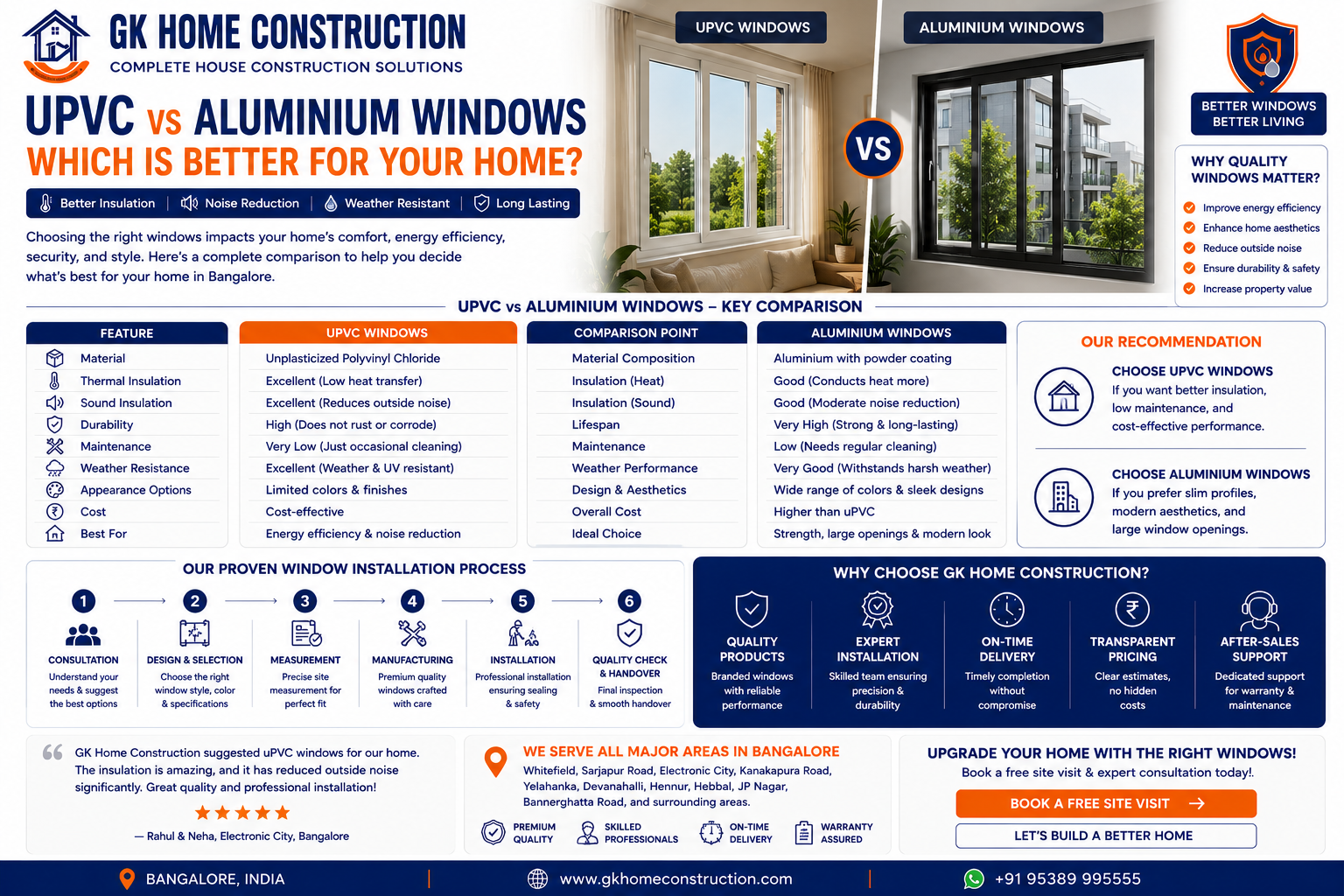
Doors, windows, balconies, and external railings are installed to enhance safety and appearance. Proper sealing and finishing prevent water leakage and heat loss. This phase transforms the structure into a weather-resistant shell, making it ready for interior work.
Electrical, Plumbing, and Mechanical Installations
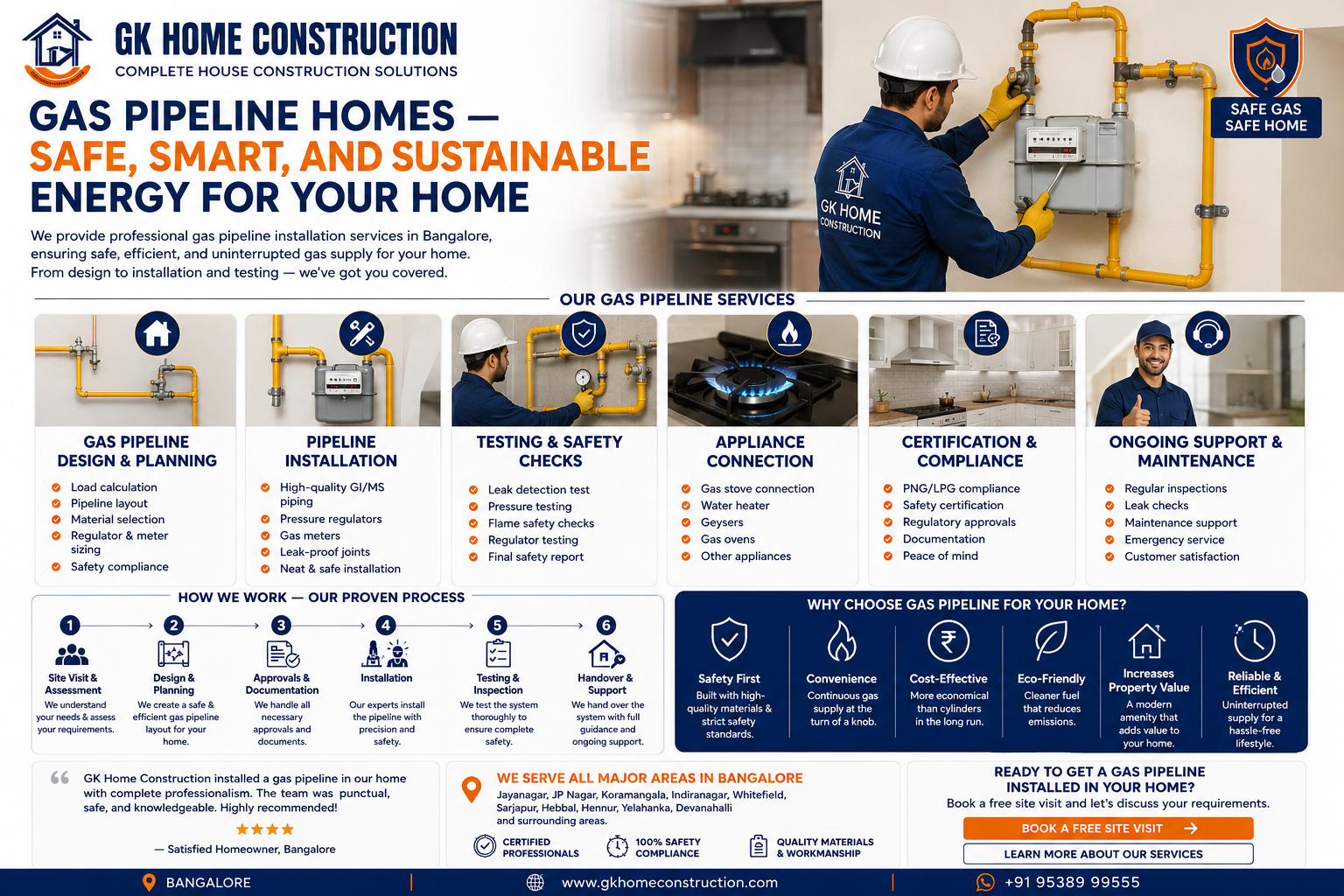
Mechanical, electrical, and plumbing systems form the lifeline of any modern home. This stage involves laying concealed wiring, installing switchboards, fitting pipes, and setting up drainage systems. Proper planning ensures that outlets, switches, and fixtures are placed conveniently.
Testing of electrical circuits, water pressure, and drainage flow is essential before closing walls and ceilings. Any defects should be corrected immediately. Well-installed systems improve safety, comfort, and long-term reliability.
Interior Plastering and Finishing Works
Interior finishing gives your home its final look and feel. Wall plastering, ceiling works, and surface leveling are carried out first. After drying, painting, tiling, and flooring work begins. This stage also includes installing kitchen cabinets, wardrobes, stair railings, and decorative elements.
Quality finishing improves durability and visual appeal. Homeowners should inspect surfaces carefully and ensure uniform texture, color, and alignment. Attention to detail during this phase results in a professional and elegant appearance.
Final Installations and Quality Checks
In the final stage, sanitary fittings, lighting fixtures, switches, fans, and appliances are installed. Glass works, mirrors, and accessories are added to complete the interiors. Cleaning and polishing are carried out to remove construction debris and dust.
Quality checks are conducted to ensure that all systems function properly. Structural safety, waterproofing, electrical performance, and plumbing systems are thoroughly inspected. Any pending work, known as snag items, is completed before handover. This stage ensures that the house is ready for safe occupancy.
Project Handover and Documentation
Once construction is complete, the project is officially handed over to the homeowner. All documents, warranties, drawings, and certificates are provided at this stage. Maintenance guidelines and operational instructions for installed systems are also shared.
A final walkthrough is conducted to verify that the house meets agreed standards. This stage marks the successful completion of the construction journey. Proper documentation helps homeowners manage future maintenance and renovations effectively.
Managing Delays and Staying on Schedule
Despite careful planning, construction projects may face unexpected delays due to weather, labor shortages, material issues, or regulatory changes. To minimize such risks, homeowners should maintain regular communication with contractors and suppliers. Weekly progress reviews and transparent reporting help identify problems early.
Having a contingency buffer in both time and budget is recommended. Flexible planning allows quick adjustments without affecting overall quality. Proactive management ensures timely project completion.
Conclusion
A construction timeline checklist is an essential tool for homeowners who want a smooth and stress-free building experience. By understanding each stage, planning in advance, and monitoring progress regularly, you can avoid common mistakes and ensure quality construction. From pre-construction planning to final handover, every step plays a crucial role in shaping your dream home. Following a structured timeline not only saves time and money but also provides peace of mind throughout the journey. With proper guidance and professional support, homeowners can confidently turn their vision into reality.