Water damage is one of the most common yet overlooked problems in residential construction. Many homeowners ignore early warning signs until the issue becomes serious and expensive to repair. Proper waterproofing is not just about preventing leaks; it protects the structural integrity, durability, and long-term value of your home. Identifying the early signs that your house needs waterproofing can save you from costly structural repairs, unhealthy living conditions, and interior damage.
1. Damp Patches on Walls and Ceilings
One of the most obvious signs that your home needs waterproofing is the appearance of damp patches on walls or ceilings. These patches often look darker than the surrounding surface and may feel cold or moist to the touch. Dampness typically occurs due to water seepage from terraces, bathrooms, external walls, or leaking plumbing lines. If left unattended, these damp spots can spread rapidly, causing damage to paint, plaster, and even the underlying concrete structure. Early waterproofing treatment can prevent further moisture penetration and protect the building materials from damage.
2. Peeling Paint and Bubbling Plaster
If you notice paint peeling, bubbling, or flaking off your walls, it is often a sign of trapped moisture behind the surface. Water weakens the bond between paint and plaster, causing visible surface damage. This is especially common in bathrooms, kitchens, and exterior-facing walls exposed to rain. Simply repainting the wall without addressing the moisture source will only provide a temporary fix. Waterproofing ensures the root cause of the problem is solved before aesthetic repairs are carried out.
3. Musty Smell and Mold Growth
A persistent musty odor inside your home is a strong indicator of hidden moisture. Mold and mildew thrive in damp environments and can grow behind walls, under flooring, and in ceilings. Black or greenish mold patches are commonly found in corners, wardrobes, and poorly ventilated areas. Apart from damaging surfaces, mold can also affect indoor air quality and trigger allergies or respiratory problems. Professional waterproofing combined with proper ventilation can eliminate moisture and prevent mold growth.
4. Cracks in Walls and Foundation
Small cracks in walls may seem harmless at first, but they can allow rainwater and groundwater to seep into the structure. Over time, water entering through cracks can weaken the foundation and cause structural instability. Horizontal cracks, in particular, may indicate serious water pressure issues from outside soil. Waterproofing membranes and crack-filling treatments can prevent further water infiltration and extend the life of the structure.
5. Water Stains After Rainfall
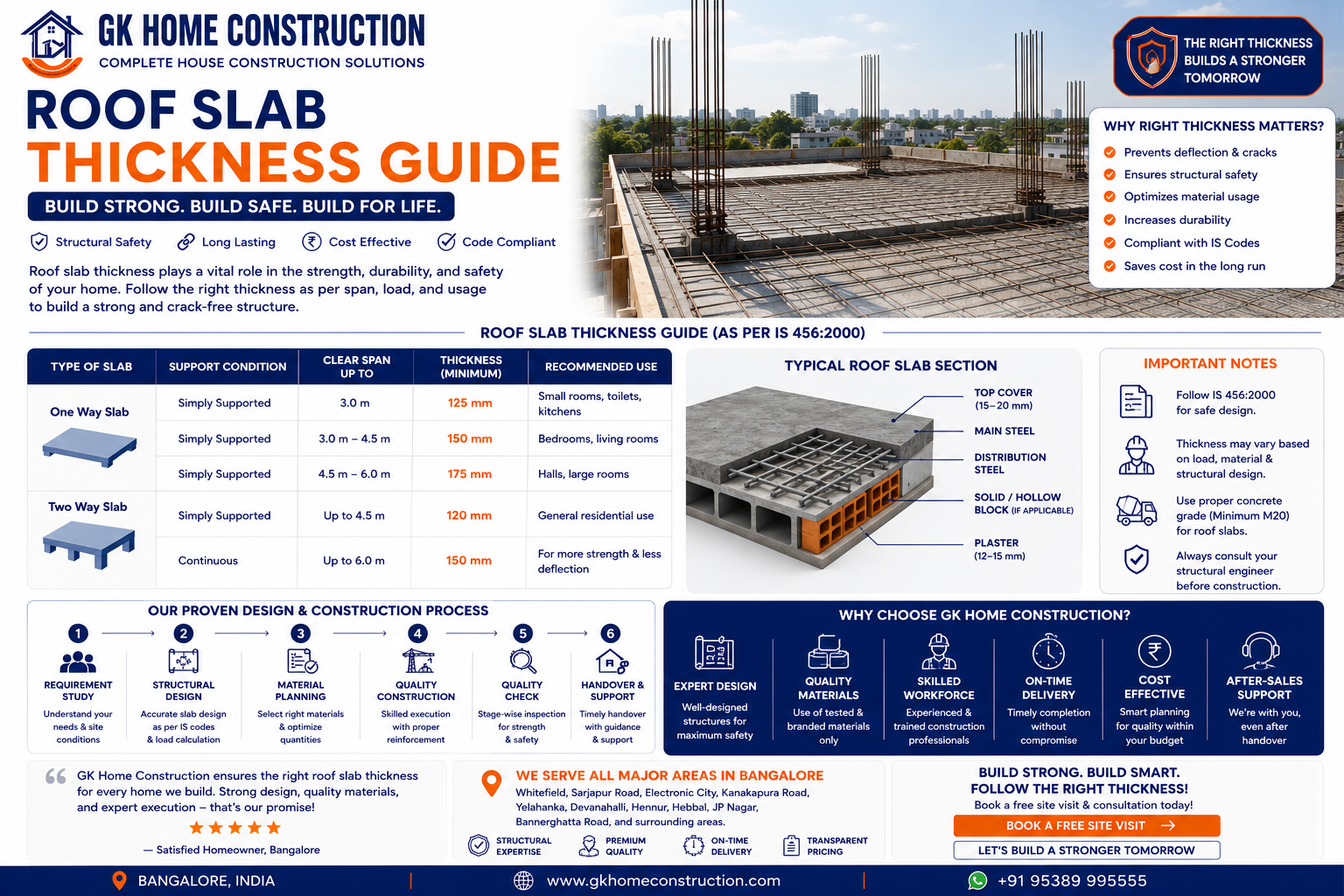
If you notice water stains appearing after heavy rain, especially on ceilings or upper-floor walls, it is a clear sign that your terrace or roof requires waterproofing. Rainwater can penetrate through damaged roof slabs, tile joints, or poorly sealed drainage outlets. Continuous exposure to rain without proper waterproofing can lead to corrosion of reinforcement steel inside concrete, weakening the overall structure. Addressing terrace waterproofing early helps avoid expensive structural repairs.
6. Efflorescence on Walls
Efflorescence appears as white, powdery deposits on walls. It forms when water moves through concrete or brickwork, carrying salts to the surface. When the water evaporates, it leaves behind these white salt deposits. While it may seem like a cosmetic issue, efflorescence indicates active moisture movement within the wall. This means water is entering the structure, and waterproofing treatment is necessary to stop further seepage.
7. Damp Flooring or Loose Tiles
Flooring problems can also signal water infiltration. If tiles become loose, wooden flooring swells, or you notice dampness under carpets, moisture may be rising from the ground or leaking from nearby plumbing. Bathrooms and balconies are particularly vulnerable areas. Proper waterproofing beneath tiles during construction is essential to prevent such issues. If the problem occurs later, corrective waterproofing solutions can restore durability and prevent further damage.
8. Increased Electricity Bills
Hidden water seepage can affect electrical wiring and insulation. Moisture around concealed electrical conduits may lead to short circuits or energy loss. In some cases, higher electricity bills can be indirectly linked to damp walls reducing insulation efficiency. Ensuring proper waterproofing keeps electrical systems safe and reduces long-term risks.
9. Basement or Ground Floor Seepage
Homes with basements or ground floors often experience water intrusion during monsoon seasons. Hydrostatic pressure from groundwater pushes moisture through foundation walls and floors. Pooled water, damp corners, or wet storage areas are strong signs that foundation waterproofing is required. Installing proper waterproof coatings and drainage systems can protect the structure from groundwater damage.
10. Rusting of Steel Reinforcement
When water penetrates concrete structures, it reaches the steel reinforcement bars inside. This leads to rusting and expansion of steel, causing cracks and spalling in concrete. You may notice exposed rust stains or concrete pieces falling off. This is a serious structural issue that requires immediate waterproofing and repair. Preventive waterproofing is always more cost-effective than structural rehabilitation.
Why Early Waterproofing Matters
Water damage rarely resolves on its own. What starts as a small damp patch can eventually weaken the entire structure. Waterproofing not only protects walls and roofs but also increases the lifespan of the building. It maintains aesthetic appeal, improves indoor air quality, and safeguards property value.
For homeowners, especially in regions with heavy rainfall and humidity, periodic inspection of terraces, bathrooms, external walls, and basements is essential. Professional waterproofing solutions tailored to the problem area ensure long-term durability.