Introduction
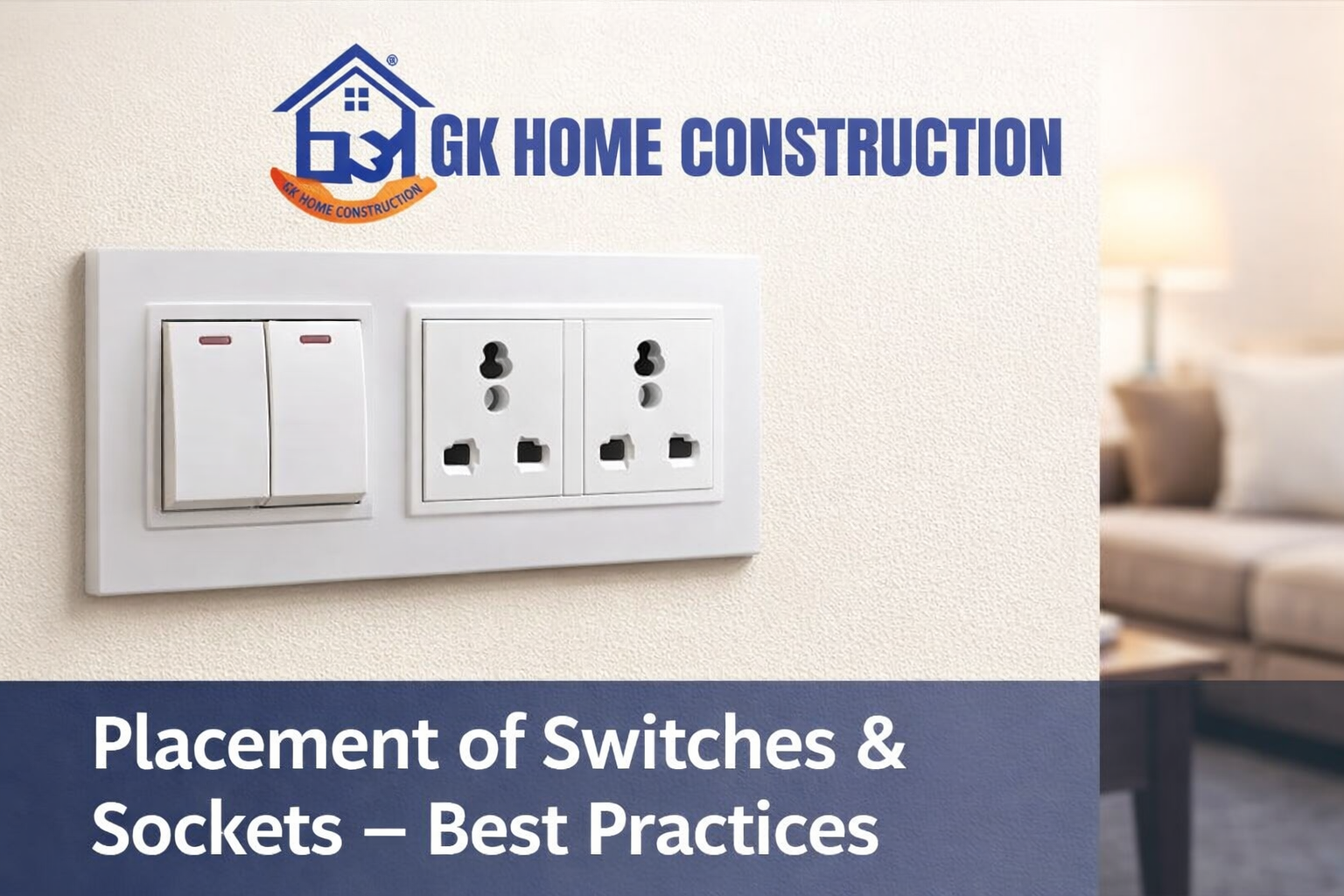
Electrical planning is one of the most overlooked yet critical aspects of home construction. While homeowners focus heavily on interiors, flooring, and paint, the placement of switches and sockets plays a vital role in daily comfort, safety, and convenience. Poorly positioned electrical points can lead to inconvenience, unsafe wiring practices, and messy extensions. On the other hand, well-planned placement ensures smooth functionality, aesthetic appeal, and long-term usability. Whether you are building a new home or renovating an existing one, understanding the best practices for switch and socket placement is essential for creating a practical and efficient living space.
Understanding the Importance of Proper Placement
Switches and sockets are used multiple times every day, making their positioning crucial for ease of use. Improper placement can lead to awkward access, increased reliance on extension cords, and even safety hazards. For example, switches placed too high or too low may be uncomfortable to operate, especially for children or elderly family members. Similarly, insufficient sockets can result in overloading and tangled wires. Thoughtful planning ensures that electrical points are accessible, safe, and aligned with furniture layout and lifestyle needs. It also enhances the overall look of the interiors by avoiding visible clutter.
Standard Height Guidelines for Switches and Sockets
One of the fundamental aspects of electrical planning is maintaining standard heights for switches and sockets. Typically, switches are installed at a height of about 4 to 5 feet from the floor level, making them easily reachable for adults. In modern homes, especially those following contemporary designs, switches are often placed slightly lower at around 3.5 to 4 feet for better accessibility. Sockets, on the other hand, are usually installed at different heights depending on their purpose. General sockets may be placed at 1 to 1.5 feet above the floor, while kitchen and work-area sockets are positioned higher for convenience. Maintaining consistent heights across rooms not only improves usability but also gives a neat and uniform appearance.
Room-Wise Placement Planning
Each room in a home has unique electrical requirements, and switch and socket placement should be customized accordingly. In living rooms, it is important to have sufficient sockets near TV units, charging points for devices, and corners where lamps or decorative lighting may be placed. Bedrooms require switches near the entrance as well as bedside switches for controlling lights and fans without getting up. Kitchens demand careful planning, with multiple sockets placed above the countertop for appliances like mixers, microwaves, and kettles. Bathrooms need waterproof switches and sockets placed away from direct water exposure to ensure safety. Proper room-wise planning ensures functionality and minimizes future modifications.
Aligning with Furniture Layout
One of the biggest mistakes in electrical planning is ignoring the furniture layout. Switches and sockets should be positioned based on where furniture and appliances will be placed. For example, placing a socket behind a wardrobe or sofa makes it inaccessible and useless. Similarly, TV sockets should align with the TV unit to avoid visible wires. Planning electrical points after finalizing furniture layouts helps in achieving a clean and organized look. It also ensures that all appliances can be connected without the need for extensions or rearranging furniture.
Safety Considerations in Electrical Placement
Safety is a top priority when it comes to electrical installations. Switches and sockets should always be placed away from water sources, especially in kitchens and bathrooms. Using high-quality materials and certified components is essential to prevent short circuits and electrical hazards. Child safety is another important factor, particularly in homes with young children. Installing child-proof sockets or safety covers can prevent accidental shocks. Additionally, avoiding overloading sockets and ensuring proper earthing helps maintain a safe electrical system. Following safety guidelines not only protects the residents but also increases the lifespan of electrical components.
Importance of Adequate Number of Sockets
In modern homes, the number of electronic devices has increased significantly, making it essential to have an adequate number of sockets. Underestimating the required number can lead to cluttered extensions and overloaded circuits. It is always better to plan for additional sockets in key areas such as living rooms, bedrooms, and kitchens. Charging points for mobile phones, laptops, and other gadgets should be easily accessible. Providing USB sockets or modular units can further enhance convenience. Having enough sockets ensures smooth daily operations and eliminates the need for temporary solutions.
Smart Switches and Modern Trends
With advancements in technology, smart switches and automation systems are becoming increasingly popular. These switches allow users to control lighting and appliances remotely through smartphones or voice commands. When planning switch placement, it is advisable to consider future upgrades to smart systems. Installing modular switchboards that can accommodate smart modules later is a practical approach. Additionally, using concealed wiring and sleek switch designs enhances the modern aesthetic of the home. Staying updated with current trends ensures that the electrical system remains relevant and adaptable.
Aesthetic and Design Considerations
Apart from functionality, the placement of switches and sockets also impacts the overall interior design. Well-aligned switchboards that match the wall color or interior theme contribute to a clean and sophisticated look. Avoid placing switches randomly or at inconsistent heights, as this can disrupt the visual harmony of the space. Grouping switches logically and using stylish modular panels can enhance the appearance of walls. Proper planning ensures that electrical points blend seamlessly with the design rather than standing out as distractions.
Planning for Future Needs
A common mistake homeowners make is planning electrical points only for current needs. However, it is important to consider future requirements such as additional appliances, home automation, or changes in furniture layout. Leaving provisions for extra sockets or conduits can save time and cost during future upgrades. Flexibility in planning ensures that the electrical system can adapt to evolving lifestyles without major modifications. A forward-thinking approach adds long-term value to the property.
Conclusion
The placement of switches and sockets is a crucial element of home construction that directly affects comfort, safety, and functionality. By following best practices such as maintaining standard heights, planning room-wise layouts, aligning with furniture, and ensuring safety measures, homeowners can create an efficient and user-friendly electrical system. Incorporating modern trends and planning for future needs further enhances the value of the home. Proper electrical planning not only simplifies daily life but also contributes to a clean, organized, and aesthetically pleasing living environment. Investing time in thoughtful placement today can prevent inconvenience and costly changes in the future, making it a smart and essential step in every construction project.