• 24 Jan, 2026

Introduction

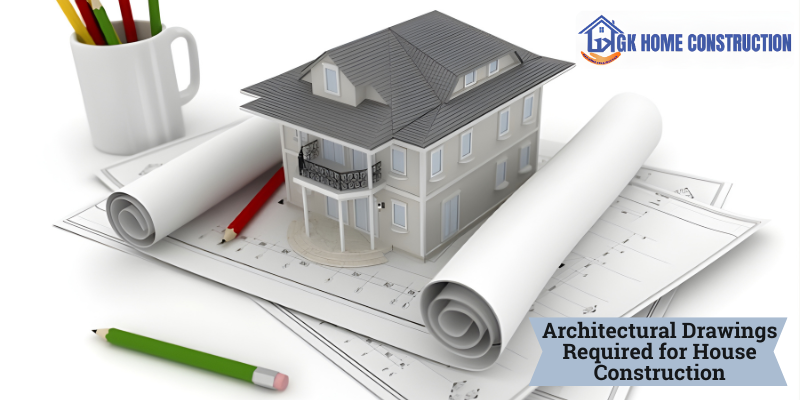
Architectural drawings form the basis for the success of every house construction project. In essence, the drawings form the link for the different stakeholders in the construction of a house. Such stakeholders include the homeowner, the architect, the engineer, the contractor, and the government authorities. When dealing with construction companies like GK Home Construction, the importance of the drawing can be appreciated on the basis of the significance of proper drawing while constructing the house. For house construction, different forms of architectural drawings need to be understood by the stakeholders for the proper planning of the construction process itself.
Site Plan Drawing

The site plan is part of the initial and highly crucial drawings that make up house construction. This plan is a representation of a complete plan of the plot and illustrates how well the intended plan is placed within the overall plot boundaries. This plan contains various details such as plot size, setbacks, road access, direction of north, existing structures on premises, drainage lines, landscaping, and utility. This plan is highly significant because it ensures understanding and correct usage of space, allows for understanding and correct application of building bye-laws, and is largely necessary for plan approval from local government authorities.


Drawing Floor Plan

The floor plan is probably the most-referred-to architectural drawing on the construction site. It displays a top-down view of the house's various floors, indicating very clearly room sizes, wall thickness, the position of doors and windows, traffic flow, and suggested furniture placement. A floor plan will help the homeowner better understand the internal space and whether the design meets the requirements for functionality and comfort. For the contractors, floor plans are one of the major guides through wall construction, room alignment, and coordination with electrical and plumbing layouts. Good floor plans reduce confusion and rework on the site.


Elevation Drawings

It can also include drawings showing the general look of the house from various sides; this is called elevation drawings. This form of drawing assists in showing how design aspects of a house look by including various design components like the height of the house/building, how the front looks, balcony components, style of the windows, materials used in construction of the house/building, etc. It’s worth noting how much of a role the final design of a house fits in consideration of approval by local authorities.


Section Drawings

Section drawings give an idea of the building by presenting it from a vertical point of view. Here, one gets to see the inside of the building. It clearly indicates the floor measurements, thickness of the floor, foundation of the building, staircase position, ceiling level, and roofing of the building. Section drawings play a significant role in determining the relationship between different components of the building. It definitely adds to the structural security of the building. It guides the engineers and contractors in constructing the building appropriately.


Foundation and Structural drawings

The foundation and structure drawings focus entirely on the structure that supports the house. These types of drawings are usually prepared by a structural engineer. The foundation structure contains details about the footing, columns, beams, slabs, reinforcement, etc. The structural drawings concentrate completely on making sure that the house will be strong enough to support loads while retaining balance on the ground. Without proper architectural drawings, the chances of cracks in the foundation are significantly higher than usual. These types of drawings are essential in the initial stages of construction.


Electrical Layout Drawings

Electrical drawings show where switches are installed, where sockets are installed, where lighting fixtures are installed, and where distribution boards are installed. The drawings are also vital in facilitating convenience and safety during electricity use in the house. Good electric plan designs also ensure there is little or no extension of electric cables and wires during installation. Additionally, it enhances aesthetic appeal when electric installations are planned carefully.


Plumbing and Sanitary Drawings

Plumbing details and sanitary drawings include a layout diagram of the water supply lines, drainage pipes, inspection chambers, and the various sanitary appliances like toilets, washbasins, and kitchen sinks. All the plumbing details are very crucial in order to maintain proper flow of the water supply as well as proper waste disposal and hygiene. Proper plumbing diagrams are needed to avoid leakage and other potential issues that may be encountered in the long-term.


HVAC and Ventilation Drawings

HVAC and ventilation drawings are important in modern house constructions. This kind of drawing lays out how air-conditioning units, ductworks, exhaust systems, and ventilation openings are arranged in a dwelling or a building. Proper planning in HVAC is significant to ensure comfort, savings in energy consumption, and a healthy indoor environment. Even in buildings without any HVAC systems, ventilation drawings are important in planning how to direct exhaust fans or ventilation passages.


Door and Window Schedule Drawings

Door and window schedules are drawings that provide specific details about various doors and windows, considering aspects of size, types, materials, and quantity of doors and windows specified for use in a house. These details are beneficial in correct estimation, manufacture, and installation of materials, as well as in exhibiting design and functional harmony in different parts of a house.


Finishing and Detail Drawings

Detail drawings emphasize details such as the details in the staircase, kitchen details, wardrobe details, flooring details, and even details in the bathrooms. Such drawings impart more detail about the quality of work. These drawings come in handy during the last stages when the building requires the greatest attention. They assist in avoiding complexities to ensure the final product reflects the original intention.


Conclusion

Architectural drawings are not merely technical sketches but include a complete construction plan for your house. Each kind of drawing has a definite purpose, and with homeowners and constructors alike, these drawings aid in sound decision-making. Architectural drawings are an indispensable part of GK Home Construction, and with correct and accurate drawings, homeowners are sure to have a well-planned, safe, and beautifully constructed house. This is because investing your time and efforts into making accurate drawings assures satisfaction and guarantees a home that fulfills your desires.

Enquire Form