1. Poor Surface Preparation
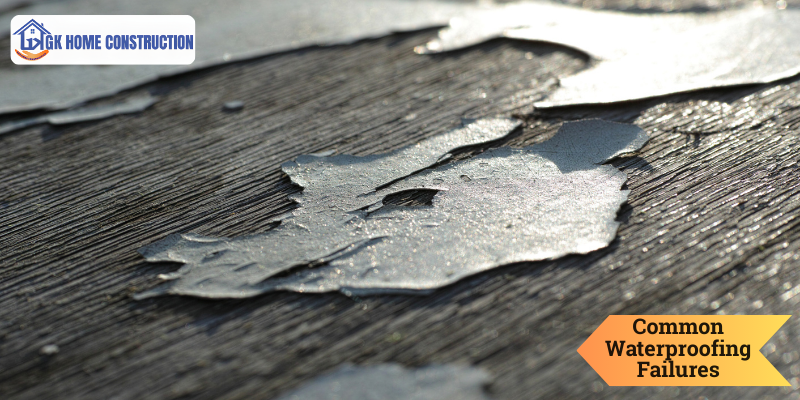
One of the most common reasons for waterproofing failure is improper surface preparation. Dust, oil, loose particles, cracks, and moisture on the surface prevent waterproofing materials from bonding effectively. When the base surface is not cleaned, leveled, and repaired properly, the coating or membrane may peel off over time. To avoid this issue, surfaces must be thoroughly cleaned, dried, and treated for cracks or uneven areas before applying any waterproofing system.
2. Using Low-Quality or Incorrect Materials
Selecting low-quality or unsuitable waterproofing materials can lead to early deterioration and leakage. Different areas, such as roofs, bathrooms, basements, and terraces, require specific waterproofing solutions. Using the wrong product may result in cracking, blistering, or water seepage. To prevent this, always choose high-quality, certified materials that match the application area and local climate conditions.
3. Improper Application Techniques
Even the best waterproofing products can fail if applied incorrectly. Uneven coating, insufficient thickness, improper mixing, or skipping required layers reduces the effectiveness of the system. Many failures occur due to untrained labor or rushed work. Proper training, following manufacturer guidelines, and allowing adequate curing time are essential to ensure long-lasting protection.
4. Ignoring Cracks and Structural Movements
Cracks caused by settlement, temperature changes, or structural movement allow water to penetrate easily. If these cracks are not treated before waterproofing, they can expand and damage the protective layer. Flexible sealants, crack fillers, and reinforcement fabrics should be used to accommodate movement and prevent future leakage.
5. Inadequate Drainage System
Poor drainage on terraces, balconies, and roofs leads to water stagnation, which increases pressure on waterproofing layers. Standing water weakens membranes and can lead to premature failure. Installing proper slopes, drain outlets, and rainwater pipes helps water flow smoothly and reduces long-term damage.
6. Lack of Proper Joint and Edge Sealing
Joints, corners, and pipe connections are vulnerable points where leakage commonly occurs. If these areas are not sealed correctly, water can easily seep through. Special attention should be given to expansion joints, parapet walls, and plumbing outlets using suitable sealants and reinforcement tapes.
7. No Regular Maintenance and Inspection
Many homeowners ignore waterproofed areas after installation, assuming they will last forever. Over time, exposure to sunlight, rain, and pollution degrades protective layers. Without regular inspections, small defects can turn into major problems. Periodic maintenance and timely repairs help extend the lifespan of waterproofing systems.
8. Applying Waterproofing in Unfavorable Weather
Applying waterproofing during rainy, extremely hot, or humid conditions affects curing and bonding. Moisture trapped under coatings can cause blistering and peeling later. It is best to apply waterproofing during dry and moderate weather conditions to achieve proper adhesion and durability.
Conclusion
Common waterproofing failures primarily occur due to poor preparation, incorrect material selection, improper application, and inadequate maintenance. By following correct procedures, using quality materials, ensuring proper drainage, and scheduling regular inspections, homeowners and builders can avoid costly repairs and protect their structures from long-term water damage. Investing in professional waterproofing services ensures better performance and peace of mind.