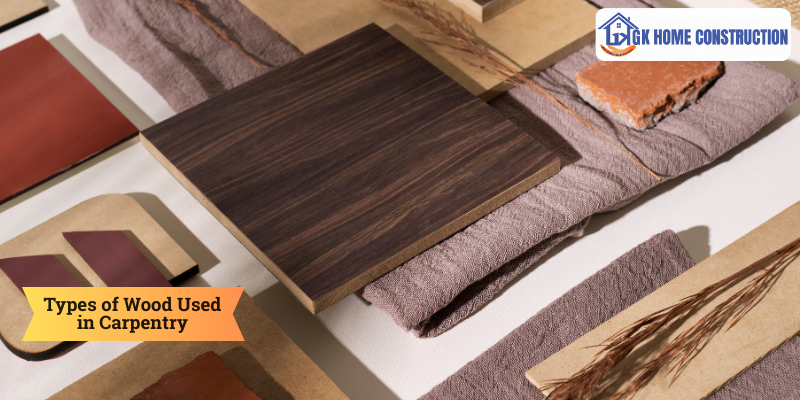
Types of Wood Used in Interiors
Wood has been one of the most essential materials in carpentry for centuries. From doors and windows to furniture and decorative elements, wood plays a vital role in both functional and aesthetic aspects of construction. Choosing the right type of wood is important because it directly affects durability, appearance, maintenance, and cost. In modern home construction and interior design, different types of wood are selected based on usage, climate conditions, budget, and design preferences. This is closely tied to the carpentry role in home interiors. Understanding the characteristics of various woods helps homeowners make informed decisions and ensures long-lasting results. If you're focused on structural or whole-house use rather than furniture and interiors, see our guide on which wood works best for structural framing.
Importance of Choosing the Right Wood
Selecting the correct wood for carpentry is not only about looks but also about performance. Some woods are highly durable and resistant to moisture, while others are easy to shape and polish. Poor wood selection may lead to problems such as warping, cracking, termite damage, and early deterioration. In regions with varying climate conditions like India, wood must be chosen carefully to handle humidity, heat, and seasonal changes. Proper wood selection improves structural strength, reduces maintenance costs, and enhances the overall value of a home.
Hardwood: Strength and Durability
Hardwood comes from deciduous trees and is known for its strength, density, and durability. It is commonly used for furniture, doors, flooring, and decorative items. Hardwood is more expensive than softwood, but it offers superior longevity and premium appearance.
Softwood: Affordable and Versatile
Softwood comes from coniferous trees and is generally lighter and more affordable than hardwood. It is easy to work with and is commonly used in structural and decorative carpentry.
Wood Comparison Chart
Wood Type | Category | Best For | Durability | Cost | Key Trait |
Teak | Hardwood | Doors, windows, outdoor furniture | Very High — resists moisture, termites, decay | High | Natural oils protect against damage. giving a golden-brown finish |
Rosewood | Hardwood | Luxury furniture, cabinets, decorative pieces | High-pest resistant | Very High | Rich dark color, fine grain. limited availability |
Oak | Hardwood | Flooring, wardrobes, furniture | High-wear-resistant | Medium-High | Attractive grain; takes polish/stain well |
Pine | Softwood | Furniture, shelving, interior paneling | Low — needs treatment for moisture/insects | Low | Lightweight, easy to cut, budget-friendly |
Cedar | Softwood | Wardrobes, storage units, outdoor furniture | Medium-High — naturally pest/moisture resistant | Medium | Pleasant aroma; Good insulation |
Spruce | Softwood | Construction frames, doors, interior structures | Medium | Low | Strong for its weight; straight grain |
Plywood | Engineered | Furniture, cabinets, partitions, false ceilings | Medium-High (Marine grade: High) | Medium | Layered veneers; marine variant for kitchens/bathrooms |
MDF | Engineered | Decorative panels, wardrobes, modular furniture | Low — avoid wet areas | Low-Medium | Smooth surface, easy to paint/polish |
Particle Board | Engineered | Low-cost furniture, temporary structures | Low | Very Low | Most affordable but weakest engineered option |
Teak Wood
Teak is one of the most popular hardwoods used in carpentry, especially in India. It is highly resistant to moisture, termites, and decay. Teak contains natural oils that protect it from environmental damage, making it ideal for doors, windows, and outdoor furniture. Its golden-brown color and smooth texture add elegance to interiors. Although teak is expensive, it is considered a long-term investment due to its durability. Wipe with a dry cloth regularly; apply teak oil or polish every 12–18 months to maintain sheen.
Rosewood
Rosewood is another premium hardwood known for its rich dark color and fine grain. It is commonly used in luxury furniture, cabinets, and decorative pieces. Rosewood is strong, stable, and resistant to pests. However, it is heavier and more costly than many other wood types. Due to limited availability, it is mostly used in high-end residential and commercial projects.
Oak Wood
Oak wood is valued for its strength and attractive grain patterns. It is widely used for flooring, wardrobes, and furniture. Oak is resistant to wear and tear, making it suitable for high-traffic areas. It also accepts polish and stains well, allowing for different design finishes. Oak is a popular choice for modern and classic interior styles.
Softwood: Affordable and Versatile
Softwood comes from coniferous trees and is generally lighter and more affordable than hardwood. It is easy to work with and is commonly used in structural and decorative carpentry.
Pine Wood
Pine is one of the most widely used softwoods in carpentry. It is lightweight, easy to cut, and economical. Pine is commonly used for furniture, shelving, and interior paneling. Its light color gives a fresh and modern look. However, pine is less resistant to moisture and insects, so proper treatment is required for long-term use.
Cedar Wood
Cedar is known for its natural resistance to insects and moisture. It has a pleasant aroma and is often used for wardrobes and storage units and outdoor furniture. Cedar is lightweight and stable, making it suitable for humid environments. It also provides good insulation properties.
Spruce Wood
Spruce is commonly used for construction frames, doors, and interior structures. It is strong for its weight and has a straight grain. Spruce is easy to handle and cost-effective, making it a popular choice for budget-friendly projects.
Engineered Wood: Modern and Cost-Effective Solution
Engineered wood is manufactured by combining wood fibers, particles, or veneers with adhesives. It offers uniform quality, dimensional stability, and affordability. Engineered wood is widely used in modern carpentry and interior design. included in modular vs custom carpentry projects where material choice directly affects finish and cost.
Plywood
Plywood is made by bonding multiple layers of wood veneers together. It is strong, stable, and resistant to cracking. Plywood is commonly used for furniture, cabinets, partitions, and false ceilings. It is mostly used in kitchen carpentry materials. Marine plywood is specially treated for moisture resistance and is ideal for kitchens and bathrooms.
Medium-Density Fibreboard (MDF)
MDF is made from fine wood fibers mixed with resin. It has a smooth surface and is easy to paint and polish. MDF is widely used for decorative panels, wardrobes, and modular furniture. However, it is sensitive to moisture and should not be used in wet areas without proper treatment.
Particle Board
Particle board is manufactured using wood chips and resin. It is the most affordable engineered wood option. It is commonly used for low-cost furniture and temporary structures. While it is economical, it has lower strength and durability compared to plywood and MDF.
Natural Wood vs Engineered Wood
Natural wood offers authenticity, strength, and long-term durability, but it is expensive and requires regular maintenance. Engineered wood, on the other hand, provides consistency, affordability, and design flexibility. For structural components and premium furniture, natural wood is preferred. For modular kitchens, wardrobes, and decorative elements, engineered wood is more practical. The choice depends on budget, usage, and desired lifespan.
Factors to Consider When Selecting Wood
Several factors should be considered before choosing wood for carpentry. The purpose of use is the most important factor, whether it is for furniture, flooring, doors, or decorative elements. Climate conditions also play a major role, especially in areas with high humidity or temperature changes. Budget determines whether hardwood, softwood, or engineered wood should be selected. Maintenance requirements should also be evaluated, as some woods need regular polishing and protection. Design preferences, color, grain pattern, and finish options also influence the final choice.
Wood Treatment and Maintenance
Proper treatment and maintenance are essential to increase the lifespan of wooden structures. Wood should be treated with anti-termite chemicals and moisture-resistant coatings before installation. Regular polishing, varnishing, and cleaning help preserve appearance and strength. Avoiding water stagnation and direct sunlight exposure also prevents damage. With proper care, quality wood can last for several decades.
Sustainable and Eco-Friendly Wood Options
With increasing environmental awareness, sustainable wood usage is becoming important. Certified woods from responsible sources help protect forests. Recycled wood and eco-friendly engineered boards reduce environmental impact. Bamboo-based products are also gaining popularity as sustainable alternatives. Choosing environmentally responsible materials enhances brand reputation and supports green construction practices.
Conclusion
Understanding the different types of wood used in carpentry helps homeowners and builders make informed decisions. Hardwood offers strength and luxury, softwood provides affordability and versatility, and engineered wood delivers modern efficiency. Each type has its own advantages and limitations. By considering factors such as usage, climate, budget, and maintenance, the right wood can be selected for every application. For professional guidance and quality carpentry solutions, partnering with experienced builders like GK Home Construction ensures durable, attractive, and value-driven results for every project.