• 09 Feb, 2026

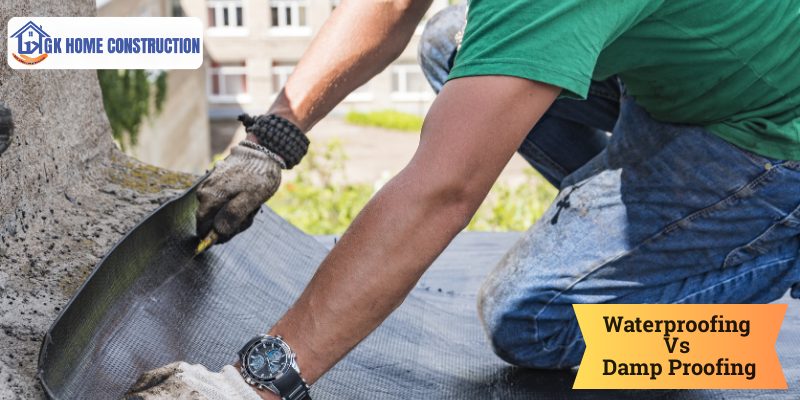
Waterproofing is a specialized construction technique used to completely stop water from entering a building structure. It is applied in areas that face constant water exposure or hydrostatic pressure, such as basements, terraces, roofs, bathrooms, balconies, and water tanks. Waterproofing systems have high-performance materials such as cementitious coatings, liquid-applied membranes, bituminous membranes, and polyurethane compounds. These materials form a seamless and durable protective layer that prevents leakage, seepage, and structural deterioration. Proper waterproofing not only safeguards the building from water damage but also enhances durability, reduces maintenance costs, and improves overall structural stability.

Damp Proofing

Damp proofing is a preventive measure used to control moisture movement within building components. It is mainly designed to stop ground moisture from rising through walls and floors due to capillary action. Damp proofing commonly involves the application of bitumen-based coatings, plastic sheets, or the installation of a damp proof course (DPC) at plinth level. While damp proofing helps reduce internal dampness, peeling paint, and mold formation, it does not provide full protection against active water seepage or heavy rainwater pressure. It is best suited for areas with low moisture exposure rather than direct water contact.

Level of Protection and Performance

The major difference between waterproofing and damp proofing lies in the level of protection they offer. Waterproofing provides complete resistance against water ingress, even under continuous exposure and pressure. It is designed to withstand harsh weather conditions and long-term moisture impact. Damp proofing, in contrast, only resists moisture and humidity, making it ineffective in areas prone to leakage or water accumulation. For structures exposed to heavy rainfall or groundwater, damp proofing alone is insufficient.

Materials and Application Methods

Waterproofing involves advanced materials and skilled application methods to ensure long-term effectiveness. These systems require surface preparation, proper curing, and quality control. Damp proofing uses simpler materials and application techniques, making it quicker and more economical. However, the simplicity of damp proofing also limits its durability and performance compared to waterproofing solutions.

Durability and Maintenance

Waterproofing systems are designed for long-term performance and require minimal maintenance when properly installed. They protect the structural elements from corrosion, cracks, and weakening caused by prolonged water exposure. Damp proofing solutions may need periodic reapplication, especially in older buildings, as they can degrade over time and lose effectiveness.

Choosing the Right Solution

Selecting between waterproofing and damp proofing depends on the area, exposure level, and long-term requirements of the building. Waterproofing is essential for wet areas and water-exposed zones, while damp proofing is suitable for controlling minor moisture issues in walls and foundations. For lasting protection and structural safety, waterproofing is always the recommended choice during construction.

Enquire Form