Waterproofing plays a critical role in protecting buildings from water damage, structural deterioration, and long-term maintenance costs. In modern construction, advanced waterproofing solutions are preferred to ensure durability and reliability. One such highly effective solution is polyurethane waterproofing. Known for its flexibility, seamless application, and strong resistance to water penetration, polyurethane waterproofing has become one of the most popular methods used in residential, commercial, and industrial construction. Builders and property owners increasingly prefer this method because it provides long-lasting protection and performs well even in harsh weather conditions.
What is Polyurethane Waterproofing?
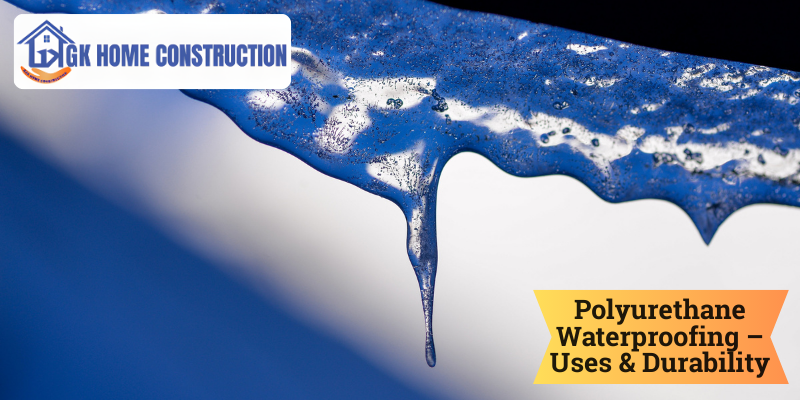
Polyurethane waterproofing is a liquid-applied waterproofing system made from polyurethane compounds that form a protective, waterproof membrane when applied to surfaces. Unlike traditional waterproofing materials such as bitumen sheets or cementitious coatings, polyurethane waterproofing is applied in liquid form and then cures to create a seamless, elastic layer. This membrane adheres strongly to concrete, metal, tiles, and other construction materials, ensuring excellent waterproofing performance.
One of the major advantages of polyurethane waterproofing is its ability to form a continuous membrane without joints or seams. Water leakage often occurs through joints in traditional waterproofing systems, but polyurethane eliminates this risk by creating a single uniform layer. This makes it highly effective in preventing water seepage, even in areas exposed to heavy rainfall or continuous moisture.
Why Waterproofing is Important for Buildings
Water intrusion is one of the most common causes of building damage. When water penetrates walls, roofs, or foundations, it can lead to structural weakening, mold growth, paint peeling, and corrosion of reinforcement steel. Over time, this damage can become expensive to repair and may reduce the overall lifespan of the building.
Proper waterproofing protects the structural integrity of the building and prevents such issues from occurring. In cities with frequent rainfall and humidity, waterproofing becomes even more essential. Polyurethane waterproofing offers a reliable solution because it creates a highly durable barrier against water while remaining flexible enough to adapt to structural movements.
Key Features of Polyurethane Waterproofing
Polyurethane waterproofing is widely used in construction because of its exceptional performance and adaptability. One of its most important features is flexibility. Buildings naturally expand and contract due to temperature changes, settlement, and structural movements. Traditional waterproofing materials may crack under such conditions, but polyurethane membranes remain flexible and stretch without breaking.
Another important feature is its strong adhesion to different surfaces. Polyurethane waterproofing bonds effectively with concrete, metal, wood, and tiles, ensuring a secure and durable waterproof layer. This strong bonding reduces the chances of peeling or detachment over time.
Polyurethane waterproofing also offers excellent resistance to UV rays, chemicals, and weather changes. This makes it suitable for exposed surfaces such as terraces and roofs. Additionally, the seamless application reduces the risk of water leakage through joints, making the system highly reliable.
Common Uses of Polyurethane Waterproofing
Polyurethane waterproofing is versatile and can be used in various areas of construction. One of the most common applications is terrace waterproofing. Roofs and terraces are constantly exposed to rain, sunlight, and temperature fluctuations. Polyurethane coatings create a strong protective layer that prevents water from penetrating the roof slab.
Bathrooms and wet areas are another important application. Since bathrooms are exposed to constant moisture and water usage, proper waterproofing is essential to prevent leakage into adjacent rooms or lower floors. Polyurethane waterproofing helps create a reliable barrier that keeps these areas completely waterproof.
Basements and foundations also benefit greatly from polyurethane waterproofing. These areas are often in direct contact with soil moisture and groundwater, which can seep into the structure if not properly protected. Polyurethane membranes provide excellent protection by sealing the surface and preventing water infiltration.
Balconies, podium decks, water tanks, and swimming pools are other common areas where polyurethane waterproofing is used. Its seamless and flexible nature ensures effective waterproofing in both residential and commercial structures.
Durability of Polyurethane Waterproofing
Durability is one of the key reasons why polyurethane waterproofing is widely used in modern construction projects. When applied correctly by experienced professionals, polyurethane waterproofing systems can last for many years without significant deterioration. The material’s flexibility allows it to withstand structural movements, temperature changes, and environmental stress without cracking.
Polyurethane membranes are also highly resistant to abrasion and chemical exposure. This makes them suitable for areas that experience frequent foot traffic or exposure to cleaning agents and environmental pollutants. In addition, the material maintains its waterproofing properties even under extreme weather conditions, making it suitable for regions with heavy rainfall.
Another factor contributing to its durability is the strong adhesion it forms with the substrate. This prevents water from penetrating beneath the membrane, which could otherwise lead to failure in other waterproofing systems. With proper surface preparation and professional application, polyurethane waterproofing can provide reliable protection for many years.
Advantages of Choosing Polyurethane Waterproofing
Polyurethane waterproofing offers several advantages compared to traditional waterproofing methods. One major advantage is the seamless application, which eliminates joints and reduces the chances of leakage. This ensures better waterproofing performance across the entire surface.
Another advantage is its flexibility and elasticity. Since buildings naturally experience minor movements, flexible waterproofing systems like polyurethane are better suited to handle such changes without cracking or breaking. This helps maintain the integrity of the waterproofing layer for a longer period.
Polyurethane waterproofing is also easy to apply and can cover complex shapes and surfaces effectively. Areas such as corners, edges, and irregular surfaces can be easily coated, ensuring complete waterproof protection. Additionally, the material cures quickly, allowing construction work to proceed without significant delays.
Maintenance and Long-Term Performance
Although polyurethane waterproofing is highly durable, regular inspection and basic maintenance can help extend its lifespan even further. Periodic checks for physical damage, wear, or surface contamination ensure that the waterproofing system remains in optimal condition.
Cleaning the surface and repairing minor damages promptly can prevent larger problems from developing in the future. When maintained properly, polyurethane waterproofing systems can continue protecting the structure effectively for many years.
Conclusion
Polyurethane waterproofing has emerged as one of the most reliable and efficient waterproofing solutions in modern construction. Its seamless application, flexibility, strong adhesion, and long-term durability make it ideal for protecting buildings from water damage. Whether used on terraces, bathrooms, basements, or balconies, polyurethane waterproofing provides strong and lasting protection against moisture infiltration.
For homeowners and builders looking for a dependable waterproofing system, polyurethane offers a practical and long-lasting solution. By investing in high-quality waterproofing during construction or renovation, property owners can safeguard their buildings from costly repairs and ensure the structure remains strong and durable for years to come.