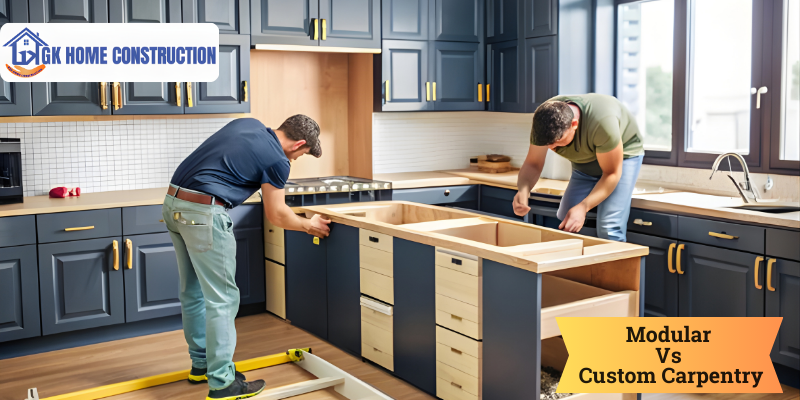
Modular Carpentry vs Custom Carpentry: What's the Difference? – A Detailed Comparison for Modern Home
One of the most crucial choices homeowners must make when designing the inside of a new house or remodel is whether to use custom or modular carpentry. Both choices have a significant impact on a home's usability, appearance, and long-term worth. Homeowners can make well-informed decisions based on price, design expectations, timeliness, and lifestyle requirements by being aware of the differences between modular and custom carpentry. To assist you in selecting the best option for your house, we examine a thorough comparison between modular and custom carpentry in this post.
Understanding Modular Carpentry
Furniture units that are created in factories in standard proportions and assembled on-site are referred to as modular carpentry. Modern machinery and precision technology are used in the design of these devices, guaranteeing consistent quality and finish. The most popular uses of modular carpentry in residential building are storage cabinets, TV units, wardrobes, and kitchens. For a closer look at one of these applications, see our wardrobe design guide. Modular carpentry is a popular option for homeowners who wish to finish projects more quickly because the components are prefabricated, making installation swift and tidy.
Understanding Custom Carpentry
Custom carpentry, sometimes referred to as traditional or on-site carpentry, is creating furniture on-site based on the homeowner's precise measurements and preferences. Complete versatility in design, materials, finishes, and details is possible with this approach. Homes with unusual floor plans, uneven walls, or particular storage needs are perfect for custom carpentry. Each component is meticulously crafted by skilled carpenters, creating unique interiors that showcase personal preferences and practicality.
Design Flexibility and Customization
Design versatility is one of the main distinctions between custom and modular carpentry. Because pieces are made in predetermined sizes and configurations, modular carpentry offers little personalization. Although a variety of color and finish options are available, there is little room for changing internal layouts or dimensions. Custom carpentry, on the other hand, offers limitless design flexibility. Whether it's ceiling-height cabinets, under-stairs storage, or a corner wardrobe, every square inch of space can be used efficiently. Custom carpentry gives homeowners more creative control over their interior design.
Quality of Materials and Finish
Engineered wood, such as plywood, MDF, or particle board, is commonly used in modular carpentry and finished with membrane coatings, laminates, or acrylics. See our full breakdown of kitchen carpentry materials for how these compare in real use. The finish is smooth and consistent since the manufacturing process is managed in a factory setting. Homeowners can select materials more freely with custom carpentry, such as premium laminates, real wood, veneers, and high-grade plywood. For more on solid wood choices, see our guide on types of wood used in carpentry. The carpenter's ability and choice of materials have a major impact on the quality. Although modular modules offer consistent finishing, skilled craftsmen can achieve a more substantial and upscale sense through custom carpentry.
Time Required for Execution
In both interior design and home construction, time is of the essence. Because the majority of the work is done in the factory, modular carpentry is substantially quicker. For homeowners with busy schedules, on-site installation typically only takes a few days. Conversely, custom carpentry is a labor-intensive procedure. Several weeks may pass during the design, material procurement, on-site manufacture, polishing, and finishing processes. To understand how this fits into a full home-building schedule, see our guide on carpenter work phases and timeline. When it comes to speed and ease, modular carpentry is clearly superior.
Cost Comparison and Budget Considerations
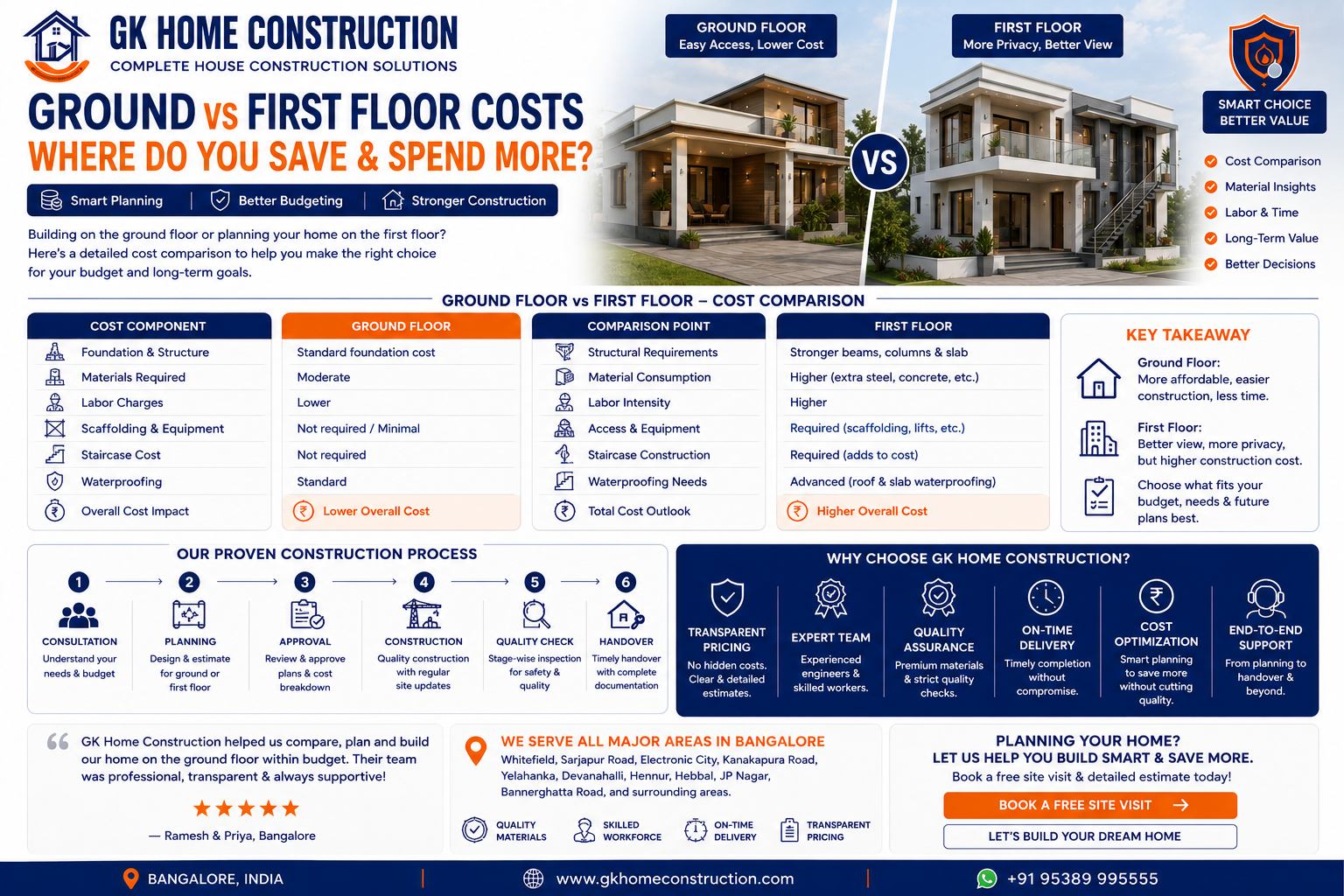
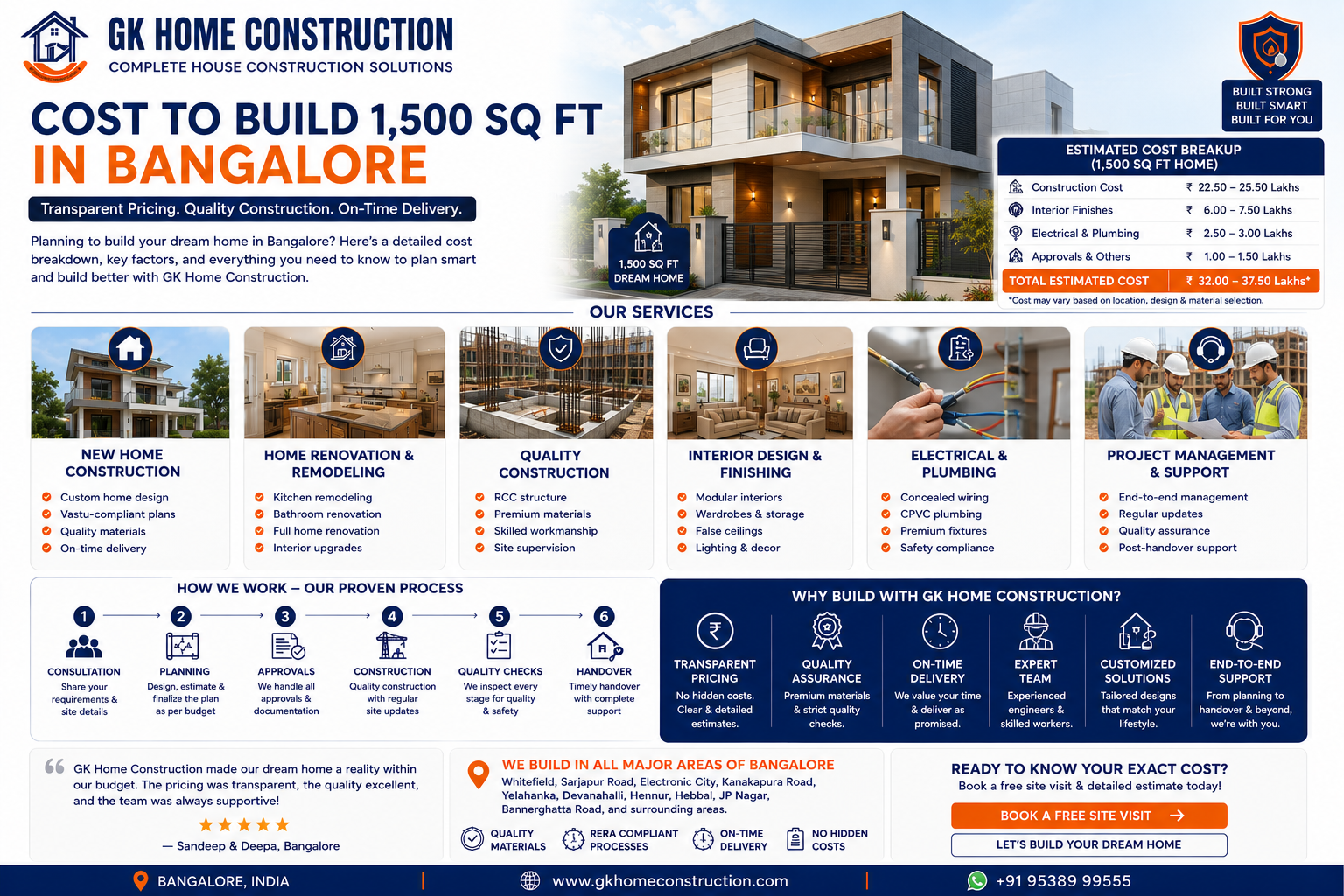
When deciding between modular and custom carpentry, cost is a significant factor. Budget estimation is made easier by the fixed and transparent pricing structure of modular carpentry. However, branded hardware and high-end finishes may raise prices. At first, custom carpentry could seem more affordable, especially for simple designs, but prices can increase based on labor, materials, and design intricacy. When long-term durability and space optimization are taken into account, custom carpentry offers better value for money than modular carpentry, which has predictable pricing. For a detailed cost breakdown, see our guide on carpentry costs for home interiors in Bangalore.
Durability and Long-Term Performance
Another crucial factor in the discussion between modular and custom carpentry is durability. Although modular furniture is made to be simple to replace and reassemble, its lifespan and load-bearing capacity may be limited, particularly if inferior boards are used. When constructed with high-quality plywood and appropriate joinery, custom carpentry is typically more durable and long-lasting. Custom carpentry provides more stability and strength over time because it is permanently fixed to the structure. Before approving any custom carpentry work, use our carpentry quality checklist to confirm it meets these standards.
Maintenance and Repair
The two choices' maintenance needs are very different. Because the units of modular carpentry are detachable, replacing damaged parts is simple. As a result, repairs are easier and cause less disturbance. Because the furniture is permanently installed, custom carpentry repairs can be more complicated and may call for specialized labor for alterations. However, because of its sturdy construction when done correctly, custom woodwork typically requires fewer repairs.
Space Utilization and Practicality
In urban dwellings, where every square foot counts, space utilization is crucial. Standardized sizes in modular carpentry may result in gaps that are not utilized, making storage less effective. Custom carpentry is excellent at making the most of available space by adjusting to floor-to-ceiling and wall-to-wall proportions. Custom carpentry frequently offers greater utility and storage efficiency for small homes and apartments.
Aesthetic Appeal and Interior Style
Modular carpentry offers sleek, contemporary solutions that complement modern homes in terms of aesthetics. Homeowners who want a minimalist aesthetic are drawn to the clean lines and consistent finishes. However, conventional designs, distinctive finishes, and greater creative detailing are possible with custom carpentry. It is perfect for villas, independent homes, and high-end homes because it may mix in perfectly with the architectural style of the property.
Which Is the Right Choice for Your Home?
The decision between custom and modular carpentry ultimately comes down to your priorities. Homeowners who desire innovative designs, fast construction, and consistent quality might benefit from modular carpentry. Custom carpentry is a superior option for people who appreciate durability, customization, and making the best use of available space. Nowadays, a lot of homes choose a hybrid strategy, choosing custom carpentry for living rooms and specialty storage spaces while utilizing modular solutions for kitchens and wardrobes.
Final Thoughts
Both custom and modular carpentry have benefits and drawbacks. Homeowners may better match their interior design choices to their lifestyle, budget, and long-term demands by being aware of the distinctions. At GK Home Construction, we assist clients in selecting the best carpentry solution for their house by guiding them through every step of design and execution. Explore our carpentry services to see how we support both modular and custom projects from start to finish. The proper planning guarantees interiors that are practical, long-lasting, and aesthetically pleasing, regardless of your preference for the effectiveness of modular carpentry or the skill of custom carpentry.