Introduction to Electrical Wiring in Independent Houses
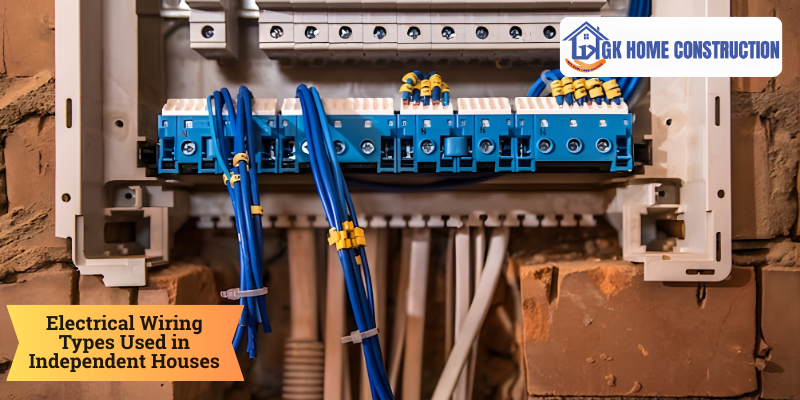
Electrical wiring is one of the most critical components of any independent house construction. It directly impacts safety, comfort, energy efficiency, and long-term maintenance. A well-planned wiring system ensures uninterrupted power supply, reduces electrical hazards, and supports modern appliances without overloading the system. In independent houses, unlike apartments, wiring design can be customized based on the owner’s lifestyle, future needs, and layout. Choosing the right type of electrical wiring is not just a technical decision but a long-term investment in safety and durability.
Importance of Choosing the Right Wiring Type
The type of electrical wiring used in a house determines how safe and reliable the electrical system will be for decades. Poor-quality wiring can lead to frequent power failures, short circuits, electric shocks, and even fire accidents. Independent houses often have higher electrical loads due to larger spaces, multiple floors, outdoor lighting, water pumps, and high-power appliances. Selecting the appropriate wiring type ensures that the system can handle these loads efficiently while complying with safety standards and reducing future repair costs.
Conduit Wiring System
Conduit wiring is the most commonly used electrical wiring system in modern independent houses. In this system, insulated wires are drawn through PVC or metal conduits that are concealed inside walls, floors, or ceilings. PVC conduits are widely preferred due to their resistance to moisture, corrosion, and chemicals. Conduit wiring offers excellent protection against physical damage, rodent attacks, and environmental factors. Though the initial cost is slightly higher compared to other wiring types, it provides superior safety, neat appearance, and long service life, making it ideal for permanent residential buildings.
Surface Conduit Wiring
Surface conduit wiring is similar to concealed conduit wiring, but the conduits are fixed on the surface of walls instead of being hidden inside them. This wiring type is usually chosen for renovation projects or areas where concealed wiring is not feasible. Surface conduit wiring allows easy inspection, repair, and future modifications without damaging walls. While it may not look as aesthetically pleasing as concealed wiring, it is highly practical for utility areas, garages, workshops, and temporary structures within independent houses.
Concealed Wiring System
Concealed wiring is considered the most premium and preferred option for independent houses. In this system, wires are concealed inside walls using PVC conduits before plastering. Concealed wiring enhances the overall aesthetics of the house, as no wires or conduits are visible. It also provides better protection against external damage and tampering. Although repairs and modifications can be challenging once the walls are finished, proper planning during the construction stage minimizes future issues. Concealed wiring is best suited for homeowners who prioritize safety, durability, and clean interior design.
Casing and Capping Wiring
Casing and capping wiring is an older wiring method that involves placing insulated wires inside wooden or PVC casings, which are then covered with capping. This system was popular in the past due to its simple installation and moderate cost. However, it is now rarely used in modern independent houses because it offers limited protection against moisture, heat, and mechanical damage. Wooden casing systems are especially vulnerable to fire risks and termite attacks. Due to safety concerns and maintenance challenges, casing and capping wiring is generally not recommended for new residential constructions.
Batten Wiring
Batten wiring involves fixing insulated wires onto wooden battens using clips or brass pins. This wiring type is easy to install and cost-effective, making it suitable for temporary structures or low-budget projects. However, batten wiring provides minimal protection against environmental factors such as heat, humidity, and physical damage. In independent houses where long-term safety and durability are priorities, batten wiring is rarely used except for temporary connections or external utility sheds.
Lead Sheathed Wiring
Lead sheathed wiring uses insulated conductors covered with a lead alloy sheath, providing protection against moisture and chemical exposure. This type of wiring was once used in areas with high humidity or industrial environments. However, due to the high cost, difficulty in installation, and environmental concerns related to lead, it has become obsolete in residential construction. Modern alternatives such as PVC insulated and sheathed cables offer better safety and flexibility at a lower cost, making lead sheathed wiring unsuitable for independent houses today.
Types of Electrical Wires Used in Houses
Apart from wiring systems, the type of wire used also plays a crucial role. PVC insulated copper wires are the most commonly used in independent houses due to their excellent conductivity, flexibility, and heat resistance. Copper wires are preferred over aluminum because they offer better current-carrying capacity and longer lifespan. Flame-retardant and low-smoke wires are increasingly recommended for residential buildings, as they reduce fire risks and toxic smoke emission during electrical faults.
Factors to Consider While Choosing Wiring Types
When selecting electrical wiring for an independent house, factors such as load requirements, safety standards, budget, future expansion, and local electrical regulations must be considered. Houses with high-end appliances, home automation systems, and electric vehicle charging points require robust wiring designs. Proper earthing, circuit segregation, and use of quality accessories are equally important to ensure optimal performance and safety. Consulting experienced professionals during the planning stage helps avoid costly mistakes and ensures compliance with electrical codes.
Common Electrical Wiring Mistakes to Avoid
Many homeowners overlook electrical planning during construction, leading to inadequate socket points, improper wire sizing, and unsafe connections. Using low-quality wires to reduce initial costs often results in frequent failures and higher maintenance expenses later. Ignoring proper earthing and circuit breakers increases the risk of electrical shocks and damage to appliances. Ensuring professional installation and quality materials is essential to avoid these common issues in independent houses.
Role of Professional Electrical Planning
Professional electrical planning ensures that wiring layouts are optimized for convenience, safety, and future needs. Load calculations, circuit distribution, and placement of switchboards are carefully designed to avoid overloads and voltage drops. Experienced construction companies integrate electrical planning with architectural and interior designs to achieve both functionality and aesthetics. This holistic approach enhances the overall value and usability of the house.
Conclusion
Electrical wiring is the backbone of any independent house, influencing safety, comfort, and long-term performance. Among the various wiring types, concealed conduit wiring using high-quality PVC insulated copper wires is the most reliable and preferred choice for modern homes. Proper planning, quality materials, and professional execution ensure a safe and efficient electrical system that meets present and future requirements. Investing in the right electrical wiring not only protects the house and its occupants but also adds lasting value to the property.