Introduction
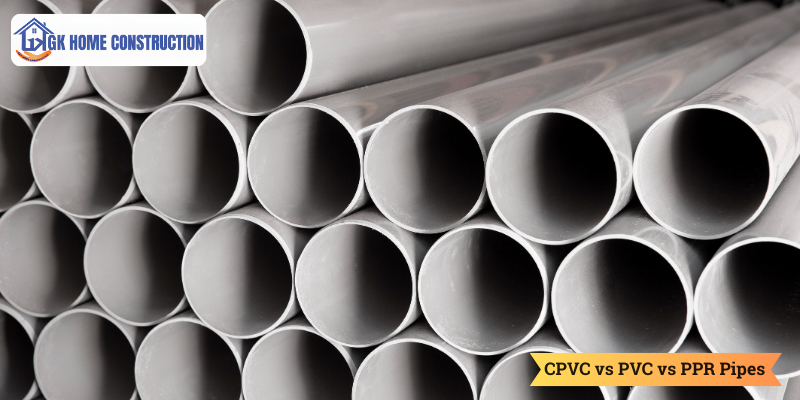
Selecting the right piping system is one of the most important decisions in home construction. Pipes are responsible for supplying clean water, handling wastewater, and ensuring smooth plumbing operations for decades. A wrong choice can lead to frequent leakages, water contamination, and high maintenance costs. In modern construction, three types of plastic pipes are commonly used: CPVC, PVC, and PPR. Each of these materials has its own advantages, limitations, and ideal applications. Understanding their differences helps homeowners, builders, and contractors make informed decisions. This article provides a detailed comparison of CPVC, PVC, and PPR pipes to help you choose the best option for your residential or commercial project.
Understanding CPVC Pipes
Chlorinated Polyvinyl Chloride, commonly known as CPVC, is an advanced version of PVC that undergoes a special chlorination process. This process increases its temperature resistance and strength, making it suitable for both hot and cold water supply. CPVC pipes are widely used in residential plumbing systems, especially for bathroom and kitchen water lines. They can handle temperatures up to 90°C, which makes them ideal for geyser and solar water heater connections.
One of the main advantages of CPVC pipes is their durability. They are resistant to corrosion, chemical reactions, and scaling, ensuring clean water flow for many years. CPVC pipes are also lightweight, easy to cut, and simple to install using solvent cement. This reduces labor time and overall project cost. Additionally, CPVC pipes are approved for drinking water use, making them safe for household applications. However, they can become brittle over time if exposed to direct sunlight for long periods, so proper insulation and protection are necessary.
Understanding PVC Pipes
Polyvinyl Chloride, commonly known as PVC, is one of the oldest and most widely used plastic piping materials. PVC pipes are mainly used for cold water supply, drainage systems, rainwater harvesting, and sewage lines. They are not designed to handle hot water, as high temperatures can cause deformation and weakening of the material. Therefore, PVC is generally avoided in hot water plumbing systems.
PVC pipes are popular due to their affordability and availability. They are lightweight, easy to transport, and simple to install. These pipes are resistant to rust, chemicals, and biological growth, making them suitable for underground and outdoor applications. PVC pipes also have a smooth inner surface, which reduces friction and improves water flow efficiency. However, PVC becomes brittle in extremely cold conditions and may crack under high pressure. In residential projects, PVC is mainly preferred for drainage and external piping rather than internal water supply.
Understanding PPR Pipes
Polypropylene Random Copolymer, commonly known as PPR, is a modern piping solution used in high-quality plumbing systems. PPR pipes are known for their excellent temperature and pressure resistance, making them suitable for both hot and cold water supply. They can withstand temperatures up to 95°C and high internal pressure, making them ideal for high-rise buildings and commercial complexes.
One of the key features of PPR pipes is their heat fusion jointing method. Instead of using adhesives, PPR pipes are welded together using special heating tools, creating a seamless and leak-proof connection. This ensures long-term reliability and minimizes leakage risks. PPR pipes are also environmentally friendly, non-toxic, and resistant to chemical reactions. Their long lifespan, often exceeding 50 years, makes them a premium choice in modern construction. However, PPR pipes are more expensive than CPVC and PVC, and their installation requires skilled technicians and specialized equipment.
Comparison Based on Temperature Resistance
Temperature resistance is one of the most important factors when selecting plumbing pipes. CPVC pipes can handle hot water up to 90°C, making them suitable for most household needs. They perform well in geyser and bathroom connections. PVC pipes, on the other hand, are limited to cold water applications and should not be used for hot water supply. Exposure to high temperatures can cause PVC pipes to soften and lose strength.
PPR pipes offer the highest temperature resistance among the three. They can easily manage temperatures up to 95°C without deformation. This makes them ideal for solar water heaters, centralized hot water systems, and industrial applications. In terms of temperature performance, PPR ranks first, followed by CPVC, while PVC remains suitable only for cold water systems.
Comparison Based on Strength and Durability
When it comes to strength and durability, all three pipe types offer good performance, but with different characteristics. CPVC pipes are strong and resistant to corrosion, making them suitable for long-term domestic use. They can last for more than 25 to 30 years when properly installed and maintained. PVC pipes are durable in drainage and external systems but are more vulnerable to cracking under high pressure or impact.
PPR pipes provide superior durability due to their fusion-welded joints and strong material composition. They are highly resistant to pressure, vibration, and thermal expansion. Their lifespan can exceed 50 years, making them ideal for projects that demand long-term reliability. For premium construction projects, PPR is often the preferred choice.
Comparison Based on Installation and Maintenance
Ease of installation plays a major role in construction planning. CPVC pipes are easy to install using solvent cement, which makes them suitable for quick residential projects. They require basic tools and moderate skill levels. PVC pipes are even simpler to install and are commonly used in drainage systems due to their push-fit and solvent joint methods.
PPR pipes require specialized heat fusion machines and trained technicians. While this increases installation cost, it ensures strong and leak-proof joints. In terms of maintenance, all three pipes require minimal upkeep. However, PPR systems generally have the lowest maintenance requirements due to their seamless connections and high durability.
Comparison Based on Cost and Affordability
Cost is a major factor for homeowners and builders. PVC pipes are the most economical option and are widely used in budget-friendly projects. CPVC pipes are moderately priced and offer good value for money considering their hot water compatibility. PPR pipes are the most expensive among the three due to their material quality and installation requirements.
While initial cost is important, long-term performance should also be considered. Investing in high-quality piping systems can reduce future repair and replacement expenses. For projects with long-term planning, PPR offers excellent value despite higher upfront cost.
Applications in Residential and Commercial Projects
Each pipe type serves specific purposes in construction. CPVC pipes are mainly used for internal hot and cold water supply in homes, apartments, and villas. PVC pipes are commonly used for drainage, sewage lines, rainwater pipes, and outdoor plumbing. PPR pipes are preferred for premium residential projects, high-rise buildings, hospitals, hotels, and industrial facilities.
Selecting the right pipe depends on building type, budget, water temperature, and usage requirements. A professional contractor can help evaluate these factors and recommend the most suitable solution.
Conclusion
Choosing between CPVC, PVC, and PPR pipes is a critical decision that impacts the safety, durability, and efficiency of a plumbing system. CPVC is a reliable and cost-effective option for domestic hot and cold water supply. PVC remains the best choice for drainage and cold water applications due to its affordability. PPR stands out as a premium solution with superior strength, temperature resistance, and lifespan.
For homeowners and builders working with GK Home Construction, selecting the right piping material ensures long-lasting performance and peace of mind. By understanding the differences between CPVC, PVC, and PPR pipes, you can make informed decisions that enhance the quality and value of your construction project. Proper planning, professional installation, and quality materials together create a plumbing system that serves efficiently for decades.