Building a home is one of the biggest investments a person makes in their lifetime. It is not just about constructing walls and roofs, but about creating a safe, comfortable, and lasting living space for the family. However, many homeowners unknowingly make mistakes during the construction process that later lead to structural problems, financial losses, and constant maintenance issues. These mistakes often happen due to poor planning, lack of technical knowledge, and choosing the wrong professionals. Understanding common construction mistakes in advance can help homeowners make informed decisions and ensure their dream home is built properly.
Lack of Proper Planning and Budgeting
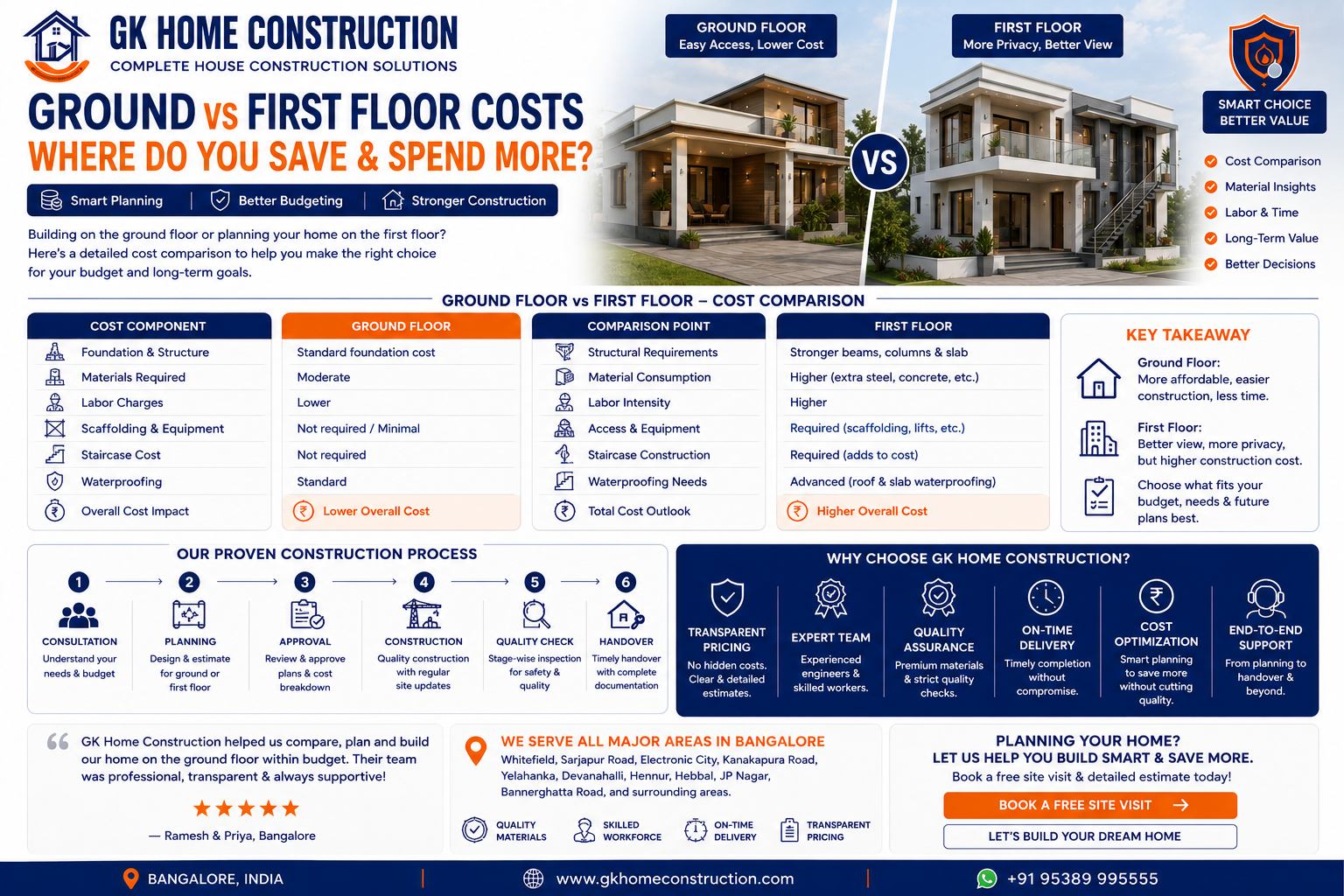
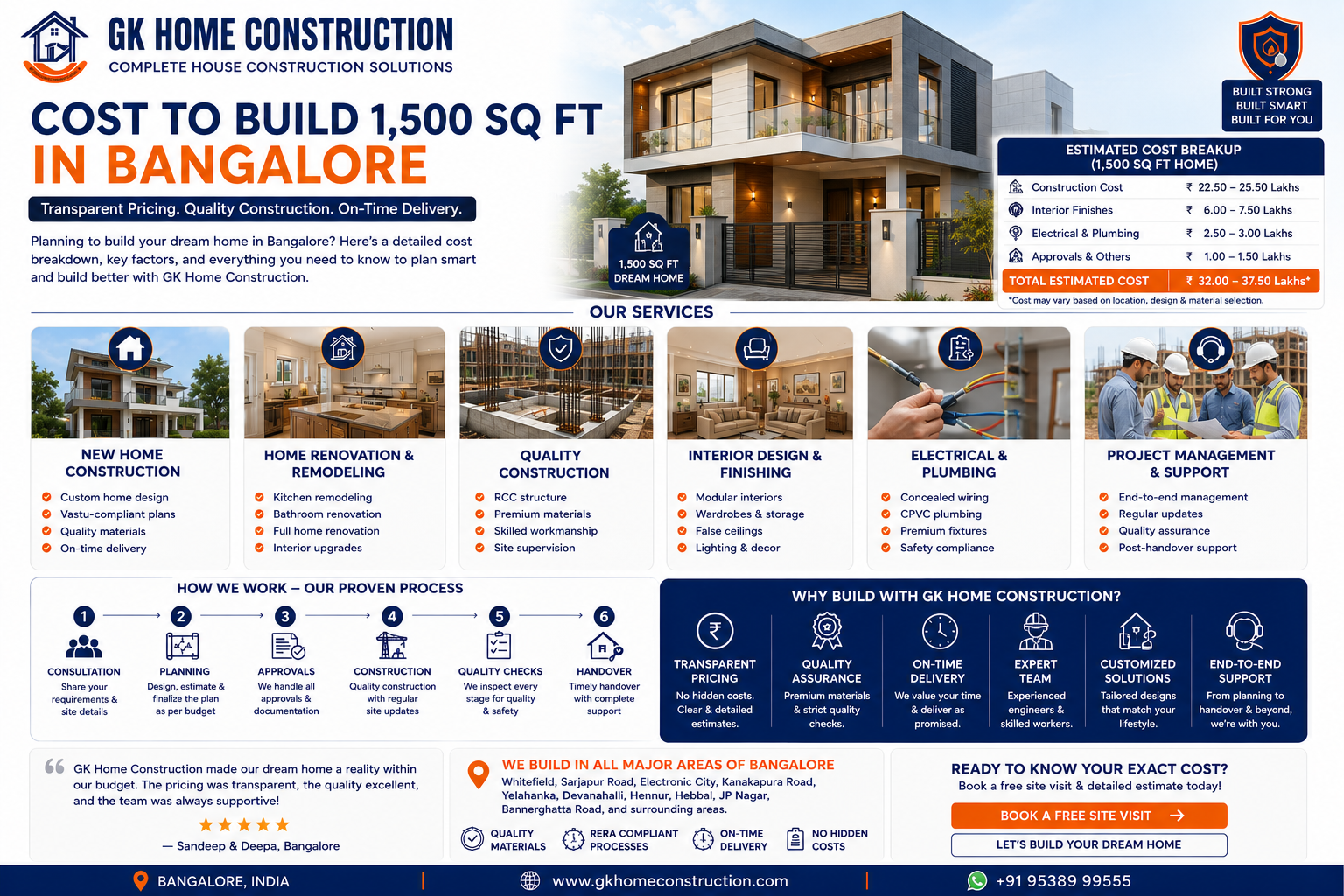
One of the most common mistakes while building a home is starting construction without proper planning and budgeting. Many homeowners begin their project with only a rough idea of expenses, which often leads to financial stress later. Construction involves several hidden costs such as design changes, material price fluctuations, labor charges, approvals, and finishing works. Without a detailed budget, these costs can quickly exceed expectations.
Proper planning includes preparing architectural drawings, structural designs, and material specifications before construction begins. It also involves allocating funds for emergencies and future modifications. A well-prepared budget helps in controlling expenses and prevents work from stopping midway due to financial shortages.
Choosing the Wrong Location or Plot
Selecting the right plot is as important as building the house itself. Many people focus only on price and ignore important factors such as soil quality, drainage system, road access, and surrounding environment. Poor soil conditions can weaken the foundation, while low-lying areas may face waterlogging problems during monsoon seasons.
Before purchasing land, it is essential to conduct soil testing and verify legal documents. Checking the availability of water, electricity, and sewage facilities is equally important. A well-chosen location ensures long-term safety, convenience, and better property value.
Ignoring Professional Design and Structural Planning
Some homeowners try to save money by avoiding professional architects and structural engineers. Instead, they rely on local draftsmen or copy designs from nearby houses. This often results in poor space utilization, weak structural strength, and unattractive layouts.
Professional designers consider ventilation, lighting, room flow, and safety standards while preparing plans. Structural engineers ensure that the building can withstand loads, earthquakes, and environmental conditions. Ignoring expert guidance may lead to cracks, leaks, and even serious safety risks in the future.
Using Low-Quality Construction Materials
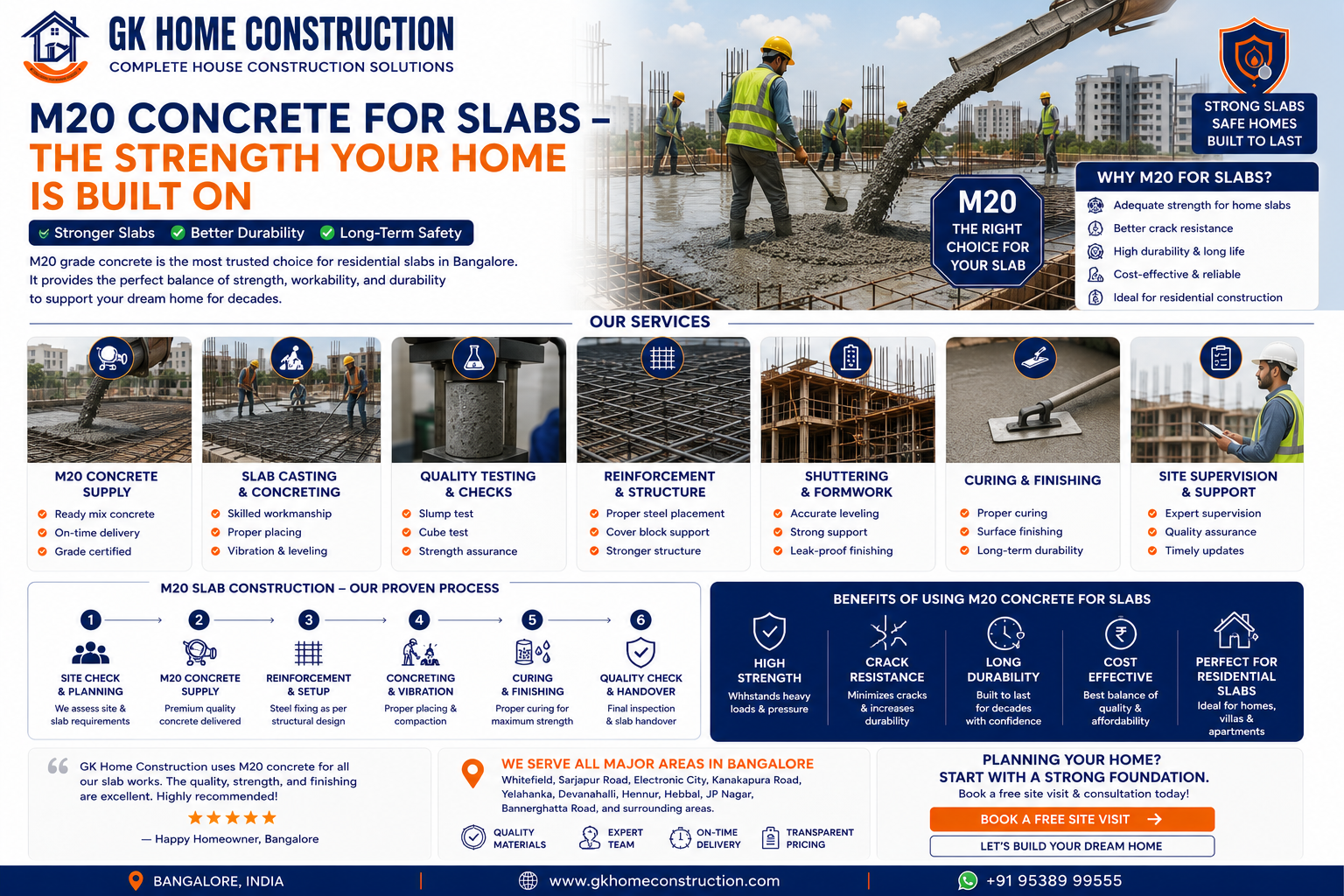
Using poor-quality materials is a major mistake that affects the durability and appearance of a home. Many people choose cheaper materials to reduce costs, without understanding the long-term consequences. Low-grade cement, steel, bricks, plumbing pipes, and electrical wires can cause frequent repairs and safety hazards.
High-quality materials may seem expensive initially, but they provide better strength, longer life, and lower maintenance costs. It is important to purchase materials from trusted suppliers and verify their quality through proper testing and certification. Investing in good materials ensures peace of mind and long-term value.
Hiring Unskilled or Unreliable Contractors
The success of any construction project largely depends on the contractor and workforce. Hiring inexperienced or unreliable contractors can result in poor workmanship, project delays, and cost overruns. Many homeowners choose contractors based only on low quotations, which often leads to compromised quality.
A reliable contractor follows proper construction practices, maintains transparency, and completes work on time. It is advisable to check previous projects, client reviews, and legal registrations before finalizing a contractor. A professional construction team helps in avoiding unnecessary stress and ensures smooth project execution.
Poor Site Supervision and Quality Control
Another common mistake is not monitoring the construction process regularly. Some homeowners completely depend on contractors and visit the site only occasionally. This can lead to mistakes going unnoticed, improper material usage, and deviation from approved plans.
Regular site visits and quality checks help in identifying issues at an early stage. Monitoring foundation work, reinforcement placement, concreting, waterproofing, and finishing works is essential. Good supervision ensures that construction standards are maintained throughout the project.
Ignoring Waterproofing and Drainage Systems
Water leakage is one of the biggest problems faced by homeowners after construction. Many people neglect proper waterproofing in bathrooms, terraces, basements, and external walls. Similarly, poor drainage systems cause water accumulation near foundations, leading to dampness and structural damage.
Waterproofing should be planned and executed at the right stage using quality materials and skilled professionals. Proper slope design and rainwater drainage systems prevent water stagnation. Investing in waterproofing during construction saves large repair costs in the future.
Overlooking Ventilation and Natural Lighting
Proper ventilation and natural lighting play a crucial role in maintaining indoor comfort and health. However, many houses are built with insufficient windows, poor airflow, and dark interiors. This results in higher electricity consumption and unhealthy living conditions.
A well-designed home should allow maximum sunlight and fresh air into living spaces. Cross ventilation, skylights, and strategically placed windows improve indoor quality. Good ventilation also prevents moisture buildup and mold growth.
Making Frequent Design Changes During Construction
Changing designs frequently after construction has started is another costly mistake. Many homeowners modify room sizes, layouts, or materials in the middle of the project. These changes lead to demolition, wastage of materials, and increased labor costs.
Finalizing designs and specifications before starting construction helps in avoiding unnecessary changes. If modifications are unavoidable, they should be carefully evaluated for cost and structural impact. Proper planning reduces delays and budget overruns.
Neglecting Electrical and Plumbing Planning
Improper electrical and plumbing planning causes inconvenience and safety risks. Random placement of switches, sockets, water lines, and drainage pipes leads to frequent repairs and poor functionality. Many homeowners realize these issues only after moving in.
Electrical and plumbing layouts should be designed according to usage requirements and future needs. Proper load calculation, safety devices, and quality fittings ensure reliable performance. Well-planned systems improve comfort and reduce maintenance problems.
Not Considering Future Requirements
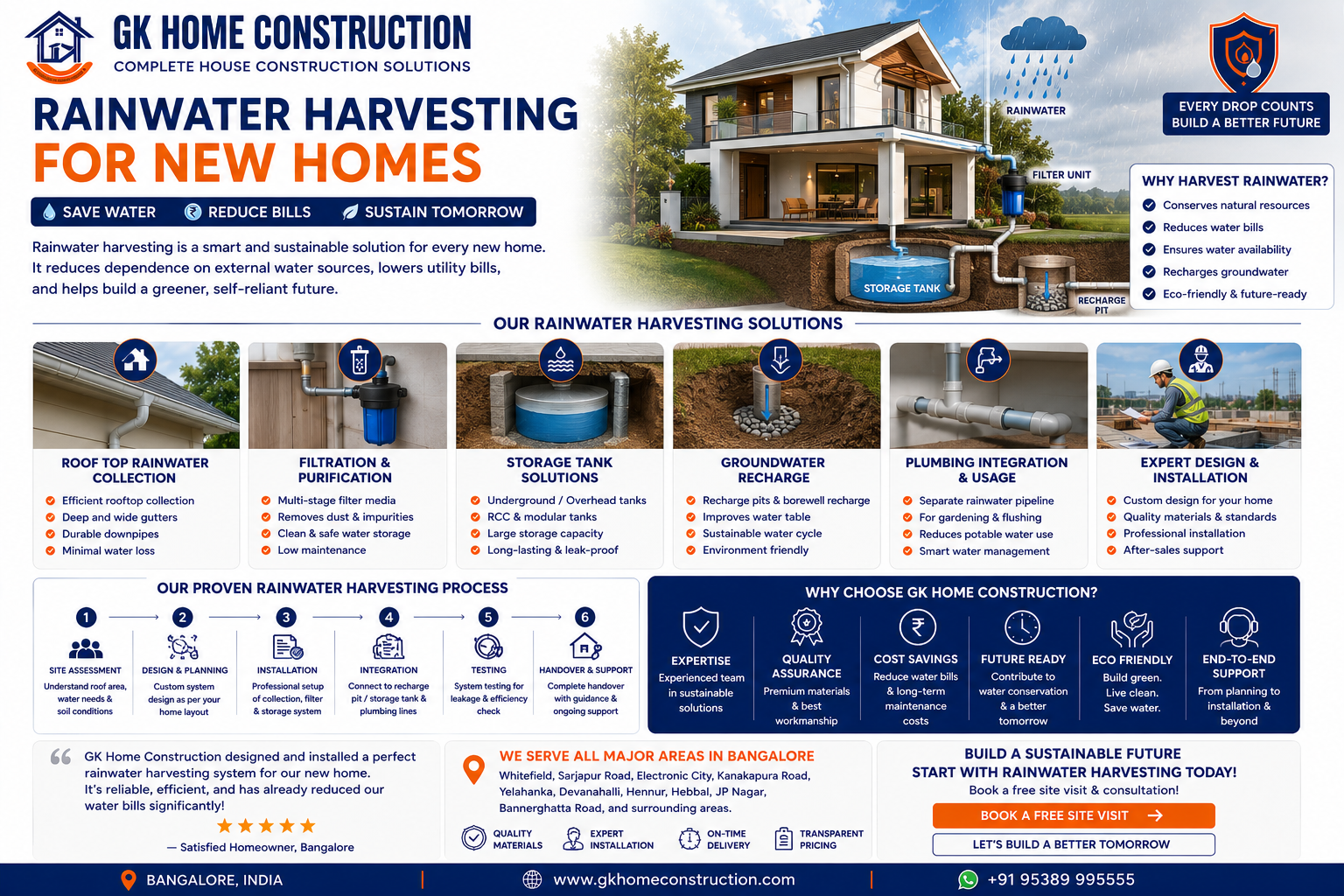
Many people build homes only based on current needs and ignore future requirements. Lack of provisions for additional floors, parking, solar panels, or rainwater harvesting limits future expansion possibilities. This often requires major modifications later.
Planning for future growth makes the house more flexible and valuable. Structural provisions, extra electrical points, and space allocation help in adapting to changing family needs. A future-ready home saves money and effort in the long run.
Conclusion
Building a home is a complex process that requires careful planning, professional guidance, and continuous monitoring. Common mistakes such as poor budgeting, low-quality materials, unskilled contractors, and lack of supervision can seriously affect the quality and lifespan of a house. Ignoring waterproofing, ventilation, and system planning further increases maintenance issues.
By understanding these common mistakes and taking preventive measures, homeowners can ensure smooth construction and long-term satisfaction. Working with experienced professionals, using quality materials, and following proper construction practices are key to building a safe and durable home. At GK Home Construction, we believe that informed decisions and expert execution are the foundation of every successful home project.