Budget Planning Tips for Residential Construction Projects
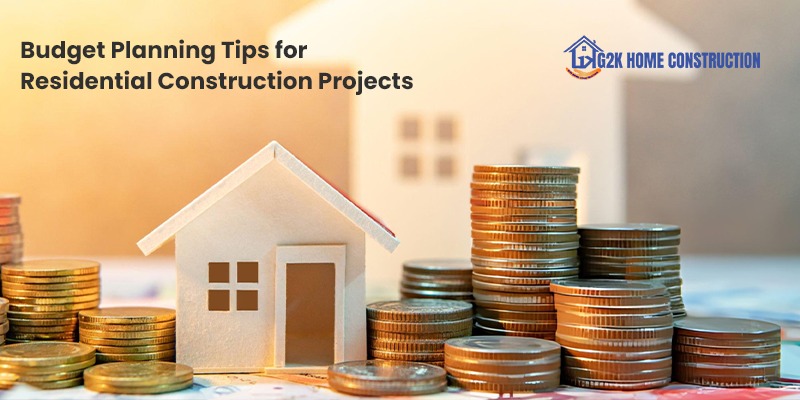
Building a home is a dream for many families, but without proper budget planning, residential construction projects can quickly become stressful. Rising construction cost, material price fluctuations, and unexpected site challenges often push budgets beyond expectations. With the right construction planning, you can stay in control financially while still achieving quality and durability.
Below are practical and proven budget planning tips every homeowner should follow before starting construction.
1. Define Your Budget Clearly Before Construction Begins
The first step in budget planning is deciding how much you are willing—and able—to spend. This includes not just the building cost, but also approvals, design fees, interiors, utilities, and contingency expenses.
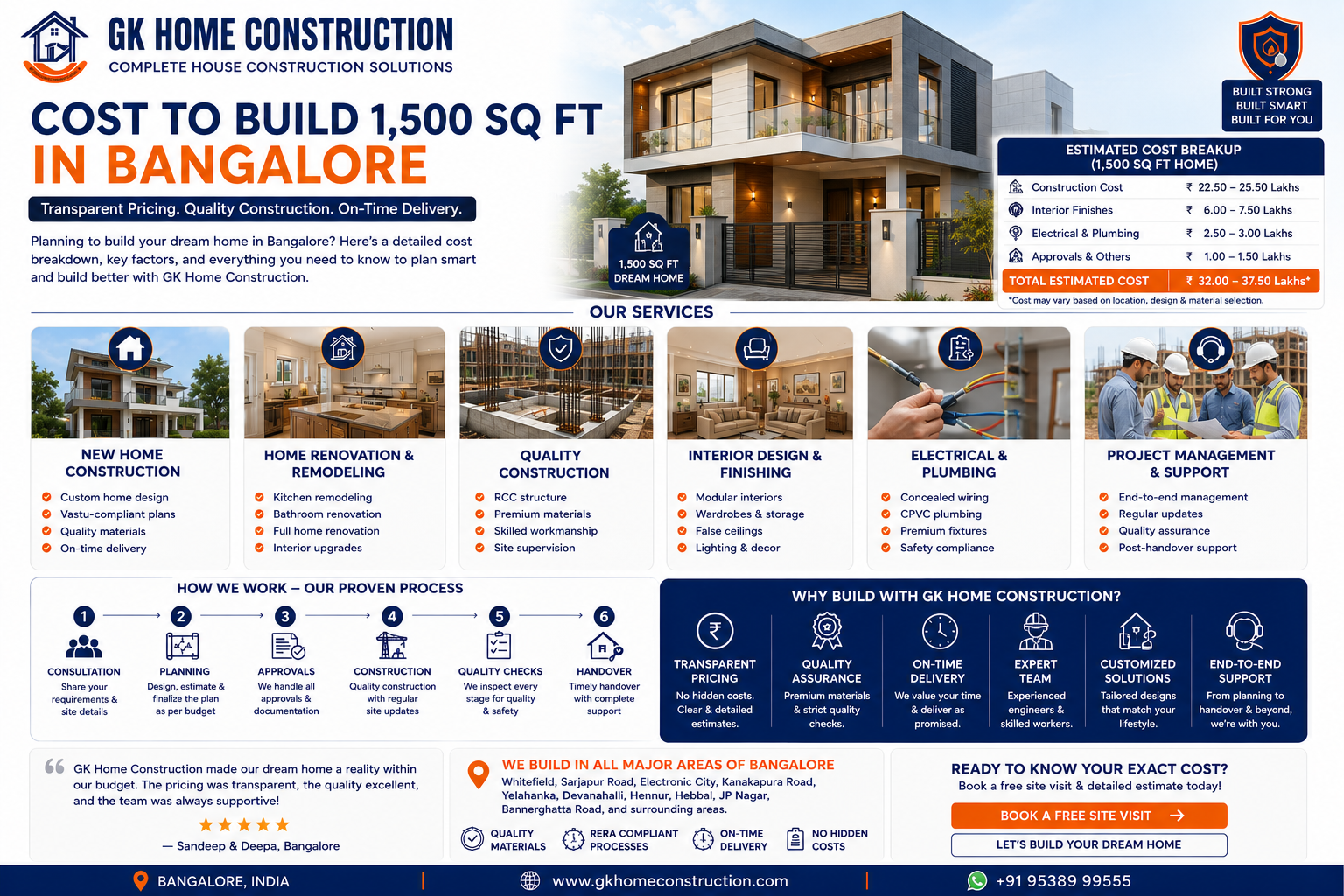
A common mistake homeowners make is starting construction with a rough idea instead of a detailed budget. Professional construction companies like GK Home Construction help clients understand realistic construction cost based on plot size, location, material choices, and design expectations—before work begins.
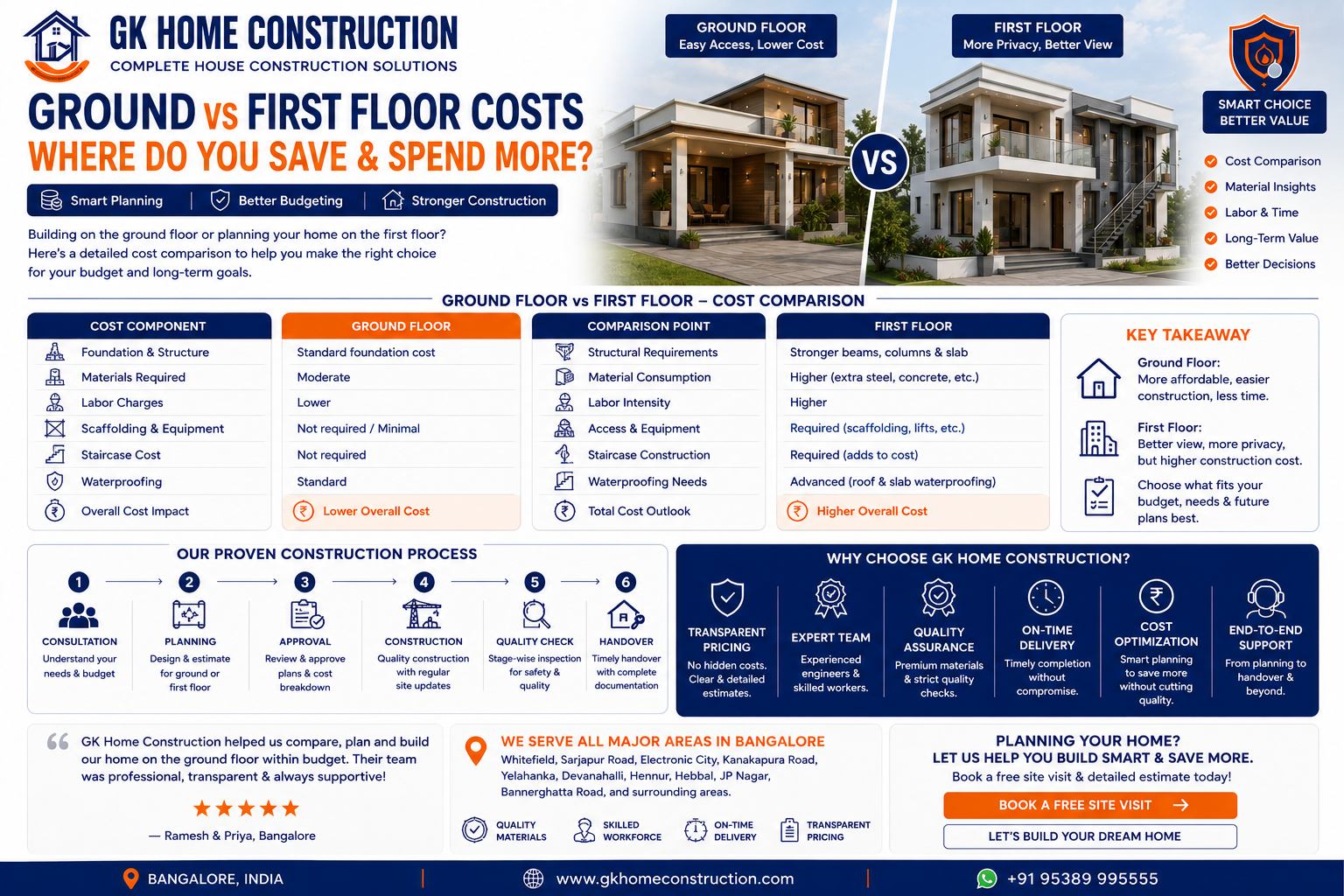
2. Understand Construction Cost per Sq Ft
Knowing the approximate cost per square foot helps you make informed decisions. However, homeowners should remember that construction cost per sq ft is influenced by:
Quality of materials used
Structural design complexity
Labour charges
Finishing requirements
Instead of focusing only on low-cost quotes, it’s important to compare what is included. Transparent estimates and clear specifications play a major role in accurate budget planning.
3. Plan the Design with Budget in Mind
Good construction planning starts at the design stage. Overly complex layouts, unnecessary elevation features, and frequent design changes can significantly increase costs.
Opting for a functional, well-planned design helps reduce wastage of materials and labour. Experienced builders like GK Home Construction guide homeowners with practical design suggestions that balance aesthetics, functionality, and budget—avoiding costly redesigns later.
4. Choose Materials Wisely, Not Just Cheaply
Material selection has a major impact on construction cost. While premium materials may seem expensive initially, they often reduce long-term maintenance expenses.
For example:
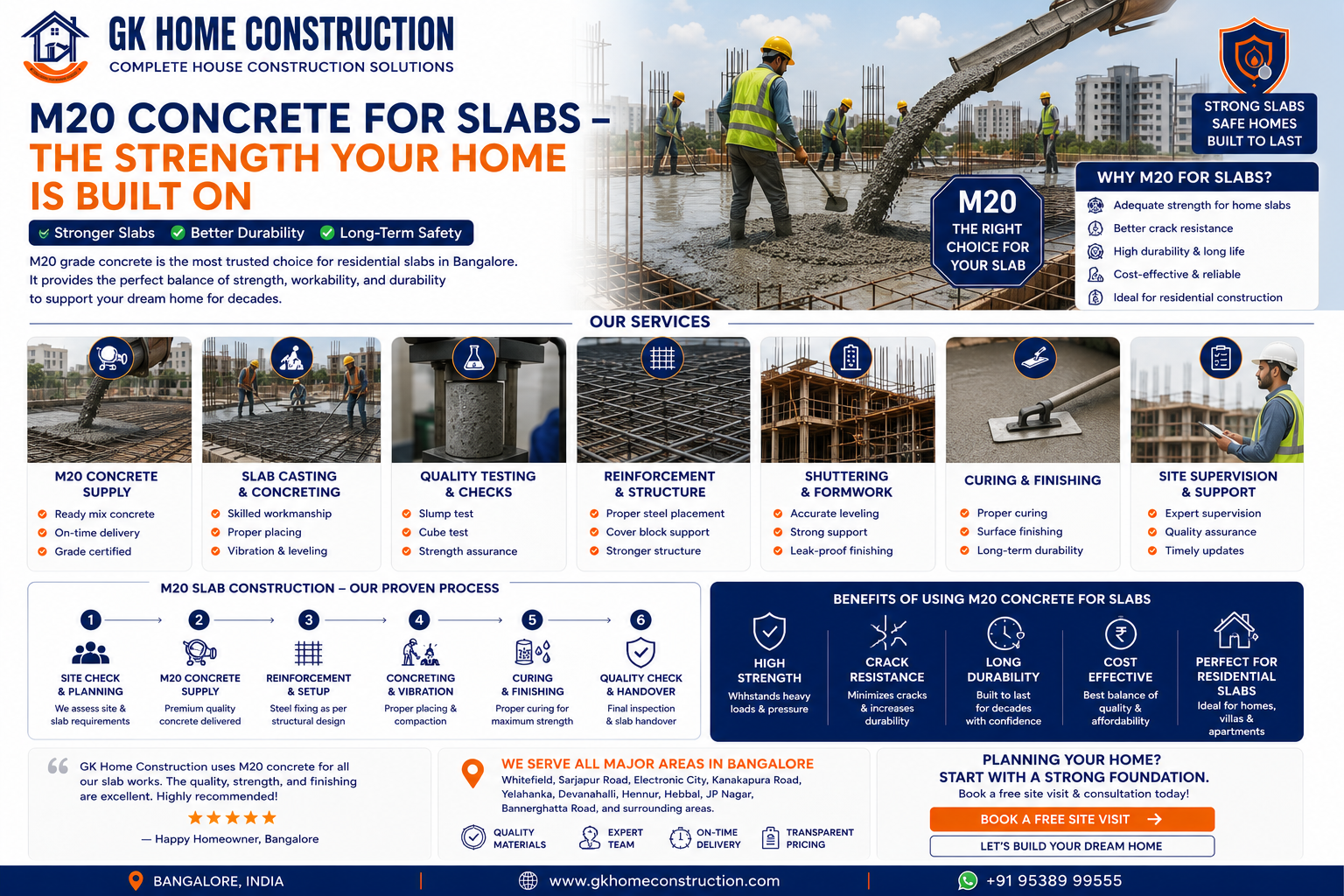
Quality cement and steel improve structural strength
Durable flooring reduces repair costs
Branded plumbing and electrical fittings prevent future issues
A professional construction company helps homeowners choose materials that offer the best value for money rather than unnecessary upgrades or unsafe compromises.
5. Keep a Contingency Fund
Even with perfect planning, unexpected expenses can arise due to soil conditions, price changes, or minor design adjustments. Experts recommend keeping 10–15% of the total construction cost as a contingency fund.
This buffer ensures that your project continues smoothly without financial stress or quality compromises.
6. Opt for Turnkey Construction for Better Cost Control
Turnkey construction is becoming popular because it simplifies budget planning. With a single contractor handling everything—from design to handover—you avoid coordination issues, hidden costs, and delays.
Companies like GK Home Construction offer turnkey residential construction solutions with clear pricing, defined timelines, and regular progress updates. This approach helps homeowners track expenses easily and maintain better control over the overall construction cost.
7. Monitor Expenses Regularly
Tracking expenses throughout the project is crucial. Regular site reviews, stage-wise payments, and material tracking ensure that spending aligns with your budget.
Reliable builders provide transparent billing and updates, helping homeowners stay informed and confident throughout the construction journey.
Conclusion
Smart budget planning is the foundation of a successful residential construction project. By understanding construction cost factors, planning designs wisely, choosing the right materials, and working with a trusted construction partner, homeowners can avoid unnecessary expenses and delays.
With professional construction planning, transparent pricing, and customer-focused execution, GK Home Construction helps homeowners build quality homes that stay within budget—without compromising on strength, safety, or design.