Basement Waterproofing Methods for Independent Houses
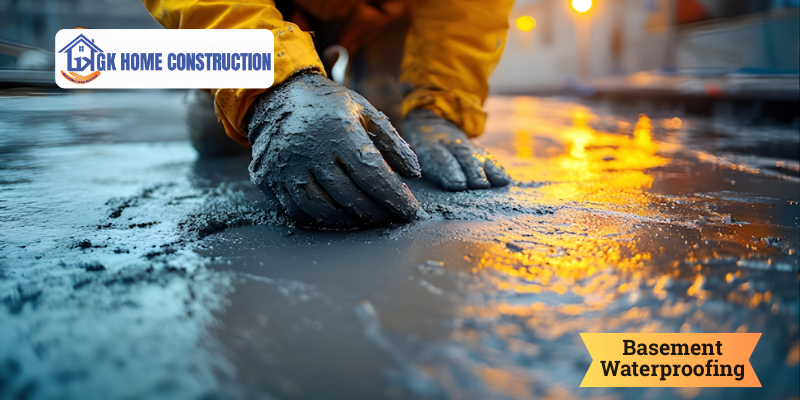
Because basements are continuously exposed to soil moisture, groundwater pressure, and seepage hazards, basement waterproofing is an essential component of building independent homes. Basements that are not properly waterproofed may eventually experience dampness, mold growth, wall cracks, and structural degradation. A dry, functional, and long-lasting basement space is ensured by selecting the proper waterproofing technique during construction or renovation. The best basement waterproofing techniques are listed below, each with a clear subtitle and paragraph-by-paragraph explanation.
External Waterproofing (Positive Side Waterproofing)

Because it prevents water from entering the building at the source, external waterproofing is one of the best basement waterproofing techniques for independent homes. With this technique, the soil surrounding the basement walls is excavated, and the outer surface is covered with waterproof coatings or membranes. Commonly utilized materials include bituminous membranes, polymer-modified coatings, and HDPE sheets. External waterproofing is perfect for new construction or significant renovations because it offers long-term protection against groundwater pressure and stops moisture penetration before it reaches the walls.
Internal Waterproofing (Negative Side Waterproofing)

When external excavation is not practical, internal waterproofing is typically applied from within the basement. This technique entails coating the inside of basement walls and flooring with waterproof coatings, cementitious waterproof layers, or crystalline waterproofing chemicals. It keeps moisture from entering the interior areas, but it doesn't prohibit water from entering the building. For existing independent homes with dampness or small seepage problems, internal waterproofing is an affordable solution.
Cementitious Waterproofing

Because it is simple to apply and works well on concrete surfaces, cementitious waterproofing is frequently utilized for basements. It creates a stiff protective covering over walls and floors by combining waterproofing chemicals with cement-based substances. This technique is frequently applied to water-retaining buildings, lift pits, and basements. Although cementitious waterproofing provides strong moisture resistance, it works best in locations with low to moderate water pressure and should be used in conjunction with crack treatment.
Crystalline Waterproofing

By deeply permeating the concrete and creating insoluble crystals that obstruct water passageways, crystalline waterproofing works. When sprayed to foundation slabs and walls, it reacts with cement particles and moisture to permanently seal pores and microcracks. This technique offers durable defense and eventually self-heals minor fissures. Both new and existing independent homes can benefit from crystalline waterproofing, which works particularly well in basements with constant moisture exposure.
Polyurethane (PU) Injection Waterproofing

In basement walls and slabs, PU injection waterproofing is utilized to seal leakage sites and active cracks. This technique involves injecting polyurethane resin under pressure into fissures, where it expands to create a waterproof, flexible seal. Water leaks in basements brought on by construction joints, shrinkage cracks, or structural movement can be effectively stopped with this method. For whole basement protection, PU injection is frequently used in conjunction with other waterproofing technologies as a targeted repair option.
Drainage System and Basement Protection
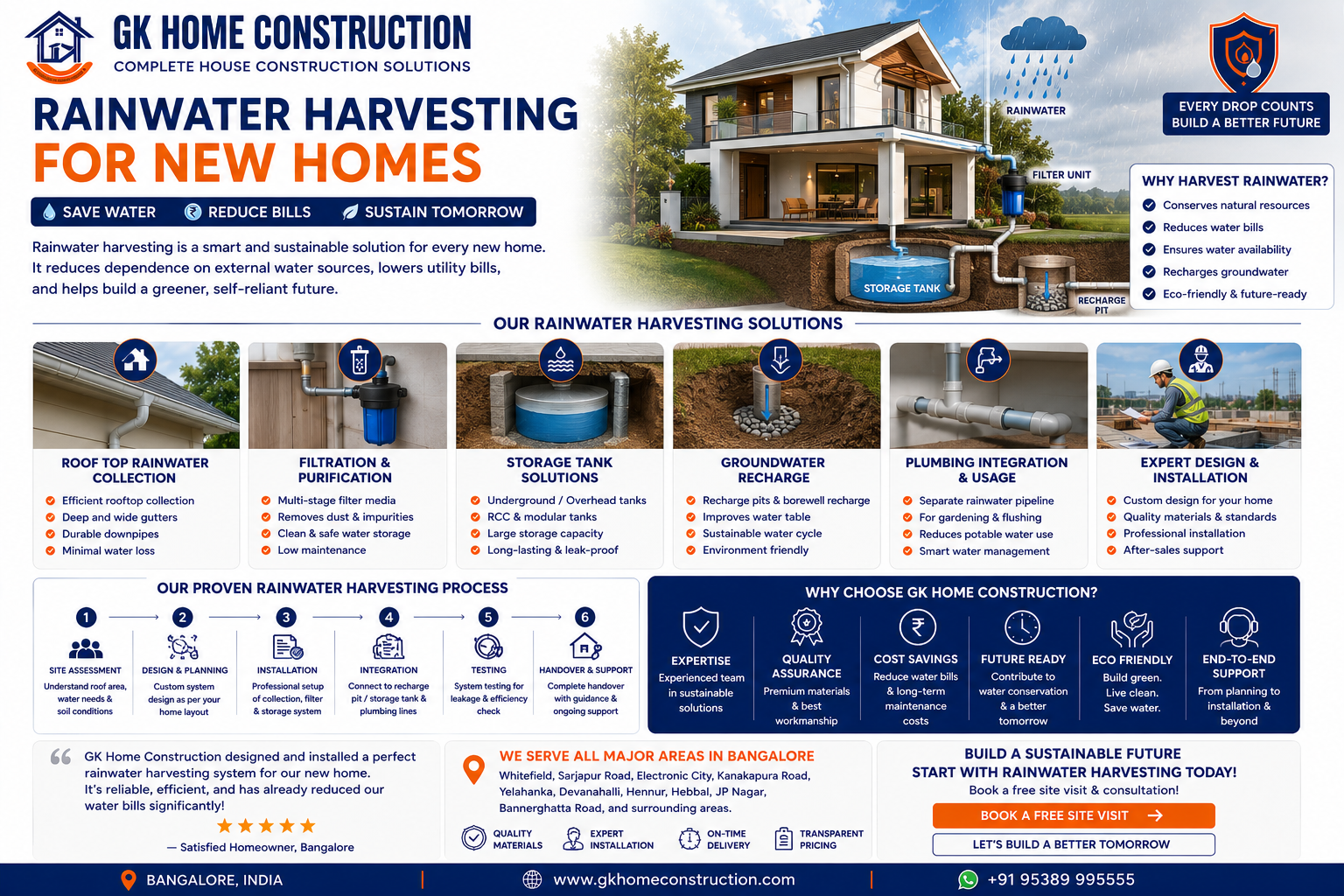
Because a functional drainage system lowers the hydrostatic pressure surrounding the foundation, it is essential for waterproofing basements. Groundwater is diverted away from basement walls with the aid of perforated drainage pipes, gravel layers, and perimeter drains. An efficient drainage system combined with either internal or external waterproofing greatly increases the longevity of basements in independent homes. Basement moisture control is further improved by sump pumps, rainwater harvesting systems, and proper slope.
Conclusion
For independent homes, basement waterproofing calls for a combination of appropriate materials, application techniques, and drainage planning. While internal and crystalline techniques offer practical options for existing basements, external waterproofing offers the strongest protection. Cementitious coatings are appropriate for general moisture management, while PU injection is best for crack repairs. A dry, secure, and long-lasting basement is ensured by choosing the right waterproofing technique based on soil conditions, water table level, and building stage.