A house's structural and aesthetic components are largely formed through woodworking, which is what makes carpentry such an important part of any home. While concrete, steel, and brick are the basic building blocks of a home, carpentry adds to its utilitarian aspects as well as comfort, visual beauty, and in effect makes it more usable long into the future through furnishings such as doors and windows or built-in cabinetry (kitchens, wardrobes, staircases). Professional carpentry today has become a way of ensuring that every detail is completed with both precision and function, thereby making them last longer and providing a consistent aesthetic throughout.
At GK Home Construction, we do not view carpentry as just a process that 'finishes' a house, but as an integral part of the building itself. Through careful planning of carpentry, we are able to maximize space, create aesthetically pleasing interiors, and provide seamless support for your everyday lifestyle.
Understanding carpentry can help us to understand the high level of skill involved in building a house. Carpentry is defined as the use of wood (real or manufactured) to build furniture and other wooden items that can be found throughout a building's structure. All types of woodwork are included as part of the term "carpentry," whether they are of structural or non-structural type.
Carpentry begins with the foundation of a building and continues all the way to the final phase of constructing the interior walls. If a carpenter has not performed his task correctly, you could have doors that won't close appropriately, weak furniture, possible water damage, and have to constantly repair items on a regular basis. It is very important to work with a skilled carpenter so that your home is built with quality carpentry methods.
Aspects of carpentry include:
- Planning and constructing wood products
- Creation of both structural and finish carpentry
- Custom construction versus modular construction
- Finishing and polishing the finished products.
Carpentry's Role in Structuring Our Homes
Carpenters are professionals who build the majority of the wood framing that is necessary for a house to remain structurally sound and stable. While we can see modern construction has moved to predominately
reinforced concrete and steel structures, carpenters still play a huge role in supporting our homes through their work with wooden frameworks.
Some common examples of the use of wooden frameworks for building roofs, constructing staircases and other forms, and building structural elements are:
- Roof trusses and ceiling rafters, which are typically made of wood
- Staircases
- Temporary or permanent forms and supports (shuttering, formwork)
- Outdoor structures, such as pergolas, etc.
Carpentry plays an important role in building doors and windows
The carpentry involved in making doors and windows accounts for the majority of the visible carpentry in a home. The way doors and windows are manufactured influences how secure, properly ventilated, and insulated a home is, as well as how attractive it will appear.
Good Carpentry yields doors and windows that fit perfectly, operate smoothly, and are able to withstand the rigors of daily use; conversely, if the carpentry is poorly executed, doors and windows may not fit well, or they may create an excessive amount of noise when opened or closed, allow water into the home through their openings, and wear out more quickly.
Some benefits of good carpentry for doors and windows include:
- Correct sizing/alignment of all components
- Smooth operation and durability
- Good sound and thermal insulation
- Aesthetic appeal
A Modern Design with Built-In Furniture/Storage Solutions
The carpentry also plays a vital role in modern home design because of how space needs to be utilized effectively. Custom-built furniture and built-in storage are great examples of how carpentry can help maximize usable space in smaller sized homes or apartment units.
Designers, architects, and carpenters collaborate to create proper placement for furniture in the overall layout, in relation to potentials for electrical outlets, lighting plans, etc., through carpentry.
Some examples of interior carpentry elements include:
- Wardrobes and loft storage
- Television cabinets and display shelves
- Modular kitchen cabinets
- Study tables and workspaces
Carpet's Importance to Modular Kitchens
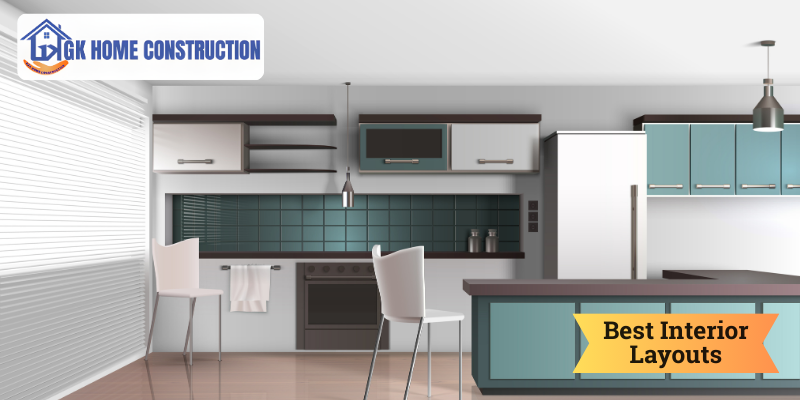
Kitchen construction is one of the fields where carpentry is most heavily relied upon in home building. When high-quality carpentry has been used properly, for example, cabinets are properly aligned; hinges are strong; and finishes are resistant to damage caused by moisture.
Carpentry, when done properly, makes it easier for the homeowner to work within the kitchen, gives them additional storage space, and reduces the amount of maintenance needed on their cabinets. This type of carpentry can increase the resale value of the house.
The following are some important elements of carpentry within a kitchen:
- Base cabinets and wall cabinets
- Drawer systems and drawer organizers
- Moisture-resistant and termite-resistant materials
- Precise fit of appliances
Custom carpentry provides homeowners with limitless possibilities to create their own custom pieces. Custom carpentry also provides the ability to match your home's décor with the same materials that you would find in a custom-sized piece of ready-made furniture.
Professional-grade workmanship is essential so there is no chance of having to live with imperfections or dealing with costly repairs later on.
Advantages of custom carpentry:
- Space-saving designs that fit perfectly in a room
- Customized designs and finishes
- The most efficient use of your available space
- Increased durability when compared to factory-produced products
Carpentry Materials for Construction of Homes
The right choice of material is critical to ensuring long-term performance when it comes to carpentry projects. Modern carpentry can consist of a combination of natural and engineered wood products.
Factors influencing your choice for carpentry materials will include the budget, location, anticipated moisture levels, and design needs.
Standard materials for carpentry projects include:
- Solid teak and hardwoods
- Plywoods and block board
- MDFs and HDFs
- Surface laminates, veneers, and other finishing materials
The Importance of Carpentry to a Home's Appearance
Carpentry can improve the overall look of your home, making it better aesthetically. Quality wood products, like fancy wooden ceilings and wall panels, provide a warm, cozy feeling while adding class and elegance.
Homeowners have many options when it comes to finishing carpentry items. Finishing methods include laminates, veneers, PU polish, and matte finishes. These finishing methods allow homeowners to achieve both modern and traditional looks.
Some examples of carpentry projects that may improve your home's aesthetic include:
- False Ceilings and Wall Panels
- Decorative Dividers
- Wall Cladding Accent Piece
- Designer Furniture
Carpentry Quality Ensures Durability & Easy Maintenance
When it comes to carpentry quality levels, visual appeal is not enough; your carpenter will need to provide durable materials that require little maintenance to remain functional over time.
Due to the variety of climates present in India, treatment of timber against termites, water and heat/water damage (i.e. moisture) is critical.
Professional carpenters employ skilled techniques to produce a long-lasting product from wood-based products.
To obtain a durable carpentry product, your carpenter must take into account:
- Anti Termite Treatment
- Moisture Resistant Timber Products and Materials
- Proper Joinery Methods
- Quality Hardware and Components
The Professional Carpenter's Role in Building a House
A Professional Carpenter's skill level is critical to finishing a building correctly. Skilled Carpenters offer both speed and precision in producing a high-quality product.
At GK Home Construction, the carpentry section utilizes only skilled carpenters with on-site supervision to ensure all work meets our stringent standards for durability and accuracy.
Here are a few reasons why having a professional Carpenter is important:
- Accurate Measurements & Execution
- Minimize Material Wastage
- Higher Quality Finish & Longer Lasting
- Ability to Co-Ordinate Work with other Contracters
Carpentry and Increasing Your Property Value
If a residence (whether rented or owned) is well-designed (with quality materials), looks appealing and feels comfortable, the carpentry value (combined with other factors) can greatly increase the property’s resale value.
The long-term value of hiring a professional carpenter (for the purpose of elevating your property's current value) far exceeds what the homeowner might consider an “initial investment”.
The increased property value benefits of quality carpentry are:
- A more attractive home
- Increased Efficiency
- Lower Repair Costs
- Greater Demand for Resale Value
Final Thoughts.
A carpenter's work is an important aspect of building houses, as it encompasses the structure of the home, its functionality, how comfortable it is, and what it looks like. Whether it be the doors, windows, modular kitchens, or custom cabinetry, the quality of carpentry gives your home the "look" and feel of the house.
A professionally completed carpentry job will provide you with all of these things, along with the following: durability, space-efficient use, and long-term value...
As part of GK Home Construction, our company coordinates carpentry, architectural, and construction plans to create homes that are attractive and practical for our clients. If you are considering building a new house, it's a must for you to invest in quality carpentry so that you can have a home that lasts.






.png)