One of the most crucial phases in building a new house is establishing the plumbing arrangement. A smooth water supply, effective drainage, safety, and lower long-term maintenance costs are all guaranteed when plumbing is properly built from the outset. Homeowners may experience frequent leaks, low water pressure, an unpleasant drain odor, wet walls, and costly rework when flooring and tiling are completed if the plumbing design is neglected or done incorrectly. Reliability and comfort for the family residing in the home are ensured by careful planning, material selection, and implementation.
Understanding the two main systems in a house, the water supply and the drainage system, is crucial before beginning plumbing installation. While the drainage lines transport used water and sewage from toilets, kitchens, and bathrooms to a septic tank or municipal drainage, the water supply system uses pressure pipelines to deliver clean water to bathrooms, kitchens, utility areas, and gardens.
The Significance of Plumbing Layout Planning
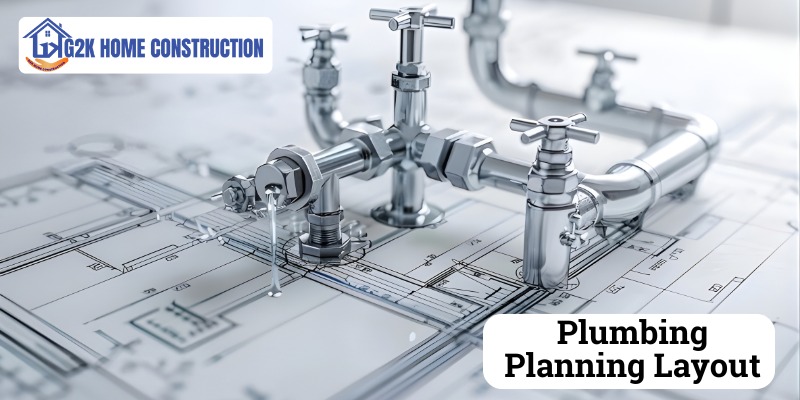
A technical drawing that shows pipe routes, fixture locations, valve locations, and drainage slopes is called a plumbing plan. Cost, efficiency, and water usage may all be managed with careful planning.
Key benefits include:
- Prevents leakages and structural damage
- Improves water flow and pressure management
- Ensures long-term durability of the system
- Makes repairs and maintenance easier
- Avoids pipe clashes with electrical and structural elements
- Reduces construction and future renovation costs
Plumbing layout planning becomes even more crucial when multiple floors and bathrooms are involved, as perfect coordination is essential.
Important Components of a Residential Plumbing Layout
Important Components of a Residential Plumbing Layout
A home plumbing system includes several interconnected pipes and fixtures that must work together efficiently. The key components include:
- Water supply pipelines (hot and cold lines)
- Drainage pipelines and sewer outlets
- Plumbing fixtures such as taps, mixers, and shower heads
- Traps such as the P-trap and the S-trap
- Valves and pressure balancing systems
- Inspection chambers and access points
- Vent pipes to release gases
Each component has its role, and a mistake in any link can result in inconvenience and high repair costs.
Steps for Effective Plumbing Layout Planning
To design and install an efficient plumbing system, certain planning steps should be followed at the initial construction stage. Contractors, architects, plumbers, and homeowners must coordinate early.
1. Identify Plumbing Fixture Locations
The first step is to mark the exact position of plumbing fixtures. These include:
- Bathroom basins and toilets
- Shower and floor drain positions
- Kitchen sinks and dishwashers
- Washing machine points
- Garden outlets and external taps
Locating fixtures early allows pipes to run efficiently and reduces cutting and patching later.
2. Plan the Water Supply Network
2. Plan the Water Supply Network
The water supply system should ensure consistent pressure across all fixtures.
Considerations include:
- Pipe diameter selection based on flow requirement
- Designing separate lines for hot and cold water
- Pressure-reducing valves if the overhead tank height is more
- Individual control valves for bathrooms and the kitchen
Proper pipe material, such as CPVC or PVC, should be selected based on temperature resistance and durability.
3. Design Drainage and Sewage Lines
3. Design Drainage and Sewage Lines
Drain lines remove wastewater and must be planned with a proper slope to prevent blockage.
Important drainage planning guidelines:
- Maintain proper slope gradient to prevent stagnation.
- Avoid sharp bends and abrupt changes in direction.
- Use inspection chambers near major bends.
- Provide separate drain pipelines for toilets and greywater if possible.
Incorrect drainage planning can create odor problems and heavy maintenance requirements.
4. Locate and Install Vent Pipes
4. Locate and Install Vent Pipes
Vent pipes allow gases from sewage lines to escape safely through roof-level vent lines.
Benefits of vent pipes:
- Prevents foul smell and backpressure
- Improves flow inside sewage lines
- Maintains trap seal in toilets
Without vent pipes, wastewater lines may produce sewer gas leaks.
5. Select High-Quality Plumbing Materials
Material selection determines durability and maintenance frequency.
Commonly used materials include:
- CPVC for hot and cold water supply
- PVC for drainage lines
- PEX for flexible concealed piping
- Copper pipes for premium hot water lines
- GI pipes for exposed installations
Using branded ISI-certified pipes reduces leakage and joint failure.
6. Plan Rainwater and Stormwater Drainage
6. Plan Rainwater and Stormwater Drainage
Rainwater drainage is often ignored, but it is essential for preventing dampness.
Proper planning includes:
- Downpipes from terraces
- Storm drains around the building.
- Connection to the rainwater harvesting system
This prevents seepage, wall fungus, and slab leakage issues.
Common Mistakes to Avoid in Plumbing Planning
Common Mistakes to Avoid in Plumbing Planning
Even small planning errors can result in costly damage. Homeowners and builders should prevent these mistakes:
- Installing pipes after flooring and walls are complete
- Not providing isolation valves near bathrooms.
- Excess bends cause a pressure drop.
- Using low-quality sealants and joints
- Improper waterproofing around wet areas
- No access panels for concealed pipes
Reworking plumbing inside finished bathrooms is expensive and time-consuming.
Best Practices for Reliable Plumbing Installation
Best Practices for Reliable Plumbing Installation
Following expert-recommended plumbing practices ensures long-term performance.
- Group bathrooms vertically to reduce pipe length.
- Test all pipelines before filling or closing walls.
- Ensure leakage testing and pressure testing.
- Maintain a minimum pipe slope for drainage.
- Insulate hot water pipes to save energy.
- Avoid placing plumbing lines above electrical wiring.
- Leave adequate space for future upgrades.
A little extra planning at the beginning prevents years of maintenance later.
Cost Considerations in Plumbing Layout Planning
Cost Considerations in Plumbing Layout Planning
The cost of plumbing installation in a new home depends on factors such as:
- Number of bathrooms
- Floor height and building size
- Type of pipes and fittings selected
- Access requirements for concealed installations
- Labour cost and plumbing fixture brand
Choosing cheaper pipes to reduce initial cost often results in leakage and rework later, making long-term sustainability expensive.
Conclusion
Conclusion
Plumbing layout planning plays a vital role in new home construction. When executed properly in coordination with flooring, electrical layouts, and waterproofing work, the plumbing system performs efficiently for decades. A well-planned plumbing layout ensures proper water supply pressure, prevents sewage smell, conserves water, and reduces maintenance costs. Always choose professional plumbers, good quality materials, accurate slope calculations, and pressure-tested pipes before final finishing. Smart planning and installation guarantee peace of mind and comfort in your new home.
Company Name: GK Home Construction
Website: https://gkhomeconstruction.com/
Email : care@gkhomeconstruction.com
Call us at : +91 9538999535
(For enquiries, consultations, and project Discussions, Contact now.)







.png)