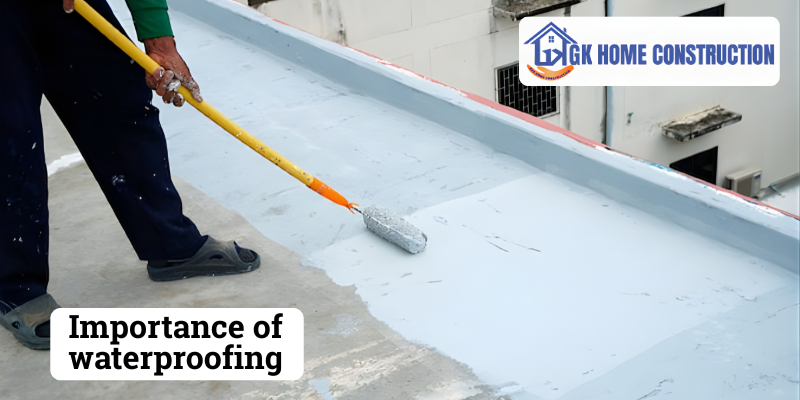
Waterproofing is an integral part of a residential structure that protects against water infiltration into a house. Applying a waterproofing system involves using specialized products and application methods to create barriers to water coming into contact with the foundation and structural components. Water is a leading cause of structural deterioration in residential construction, so when we implement waterproofing during the construction process, we achieve added life, safety, and usability for the homeowner.
Attempting to fix water-damaged areas after construction is often a more expensive, time-consuming, and ineffective solution than applying a waterproofing system while constructing a home.
Attempting to fix water-damaged areas after construction is often a more expensive, time-consuming, and ineffective solution than applying a waterproofing system while constructing a home.
Waterproofing is a key part of keeping your house structurally sound. If your home is exposed to water over time, concrete becomes soft and weak, steel reinforcement inside concrete will rust, and walls and slabs will crack. If your home is continuously exposed to moisture, it can become unstable due to what appear to be only cosmetic cracks. The purpose of waterproofing is to keep water from penetrating the home, thus ensuring the home's strength for decades to come.
Waterproofing is an essential aspect of protecting homes from rain entering through the walls or roof. When rain enters through walls or roofs, there is potential for moisture to create problems such as damp walls, discoloration of ceilings due to staining, failure of paint due to premature peeling, and odors associated with dampness. The presence of excessive dampness in a home diminishes the value of the property's interior and adds to an unhealthy living environment. Waterproofing correctly will not only create a dry interior environment, but also ensure that the interior of the home stays clean and promotes a clean environment for the occupants.
Another important aspect is protection against mold and fungal growth. Damp surfaces provide the perfect environment for mold, mildew, and fungi to grow. Such organisms can trigger respiratory problems, allergic reactions, and other health concerns, particularly among children and elderly residents. In such a case, effective waterproofing eliminates sources of moisture and hence dramatically reduces health risks related to indoor dampness.
Waterproofing is an essential step when it comes to protecting critical areas of the residential property, including bathrooms, kitchens, balconies, terraces, basements, or roofs. This is because these areas tend to experience frequent water use or rain. When waterproofing measures are not taken, water can easily seep into slabs as well as walls, resulting in leakage possibilities for lower floors. This can also negatively impact structural safety.
Waterproofing from a financial perspective decreases maintenance and repair costs over a long period. Water damage repairs are extremely expensive, which includes repairs such as re-plastering, repainting, fixing leaks, or replacement of corroded reinforcement. Investing in high-quality waterproofing during construction saves owners/corporates from recurring repair expenses and helps preserve the property's overall value.
Waterproofing can extend the life span of finishing materials such as paint, wall tiles, wood materials, and flooring. This is because these materials can swell, crack, or wear away due to the effects of water. Therefore, waterproofing can help protect these materials for a longer period, consequently eliminating the need for regular renovation work.
Appropriate waterproofing increases the energy efficiency of the house. The effect of dampness on walls decreases the efficiency of thermal insulation and increases the interior temperatures of a house during summer and winter. The efficiency of thermal insulation is retained with a dry wall, while it also maintains a controlled temperature.
Waterproofing is also a critical aspect of protecting the foundations of a house. The groundwater and soil are always applying pressure to the foundations of a house. Water would be capable of making its way through the walls of a foundation if it is not waterproofed. Foundation waterproofing helps to ensure that a house remains stable.
Last but not least, waterproofing considerably enhances the value of a property and instills confidence in buyers. Houses with appropriate waterproofing mechanisms are perceived to be more reliable, long-lasting, and low in maintenance. Hence, they are very attractive to buyers and investors. A well-waterproofed house speaks of quality construction practices and long-term planning.
Contact Details – GK Home Construction
If you are planning to build a home and looking for trusted civil construction contractors in Bangalore, you can reach out to GK Home Construction through the following official channel:
Company Name: GK Home Construction
Website: https://gkhomeconstruction.com/
Email : care@gkhomeconstruction.com
Call us at : +91 9538999535
(For enquiries, consultations, and project discussions, Contact now.)


.png)