
Architectural planning is the foundation of any successful independent home construction project. A well-planned house is not only visually appealing, but it also performs efficiently, is structurally sound, and complies with local building codes. Understanding the architectural design process can help homeowners make informed decisions, avoid costly mistakes, and achieve long-term value while building their own home.
At GK Home Construction, we think that thorough architectural design is the first step towards building a long-lasting, comfortable, and future-ready home. This blog outlines the entire architectural design process for independent houses in a step-by-step format.
1. Understanding the client's needs and lifestyle
The architectural design process starts with a lengthy conversation between the architect and the homeowner. This stage focuses on learning about the client's needs, preferences, budget, and lifestyle.
Key points mentioned include:
1. Number of bedrooms and bathrooms
2. Family size and future growth requirements
3. Parking Requirements
4. Vaastu Preferences (if any)
5. The budget range and construction timeline
This step is critical because each independent home is distinct. A family-oriented home, a rental-focused home, and a luxury villa all necessitate distinct planning approaches. At this point, clear communication ensures that the design meets the homeowner's exact specifications.
2. Site Analysis and Plot Evaluation
Once the requirements are established, the following step is site analysis. The architect investigates the plot circumstances to determine how the design should adapt to the site.
Important variables examined during site analysis are:
- Plot size and shape
- Road accessibility and setbacks
- Orientation: north, south, east, and west
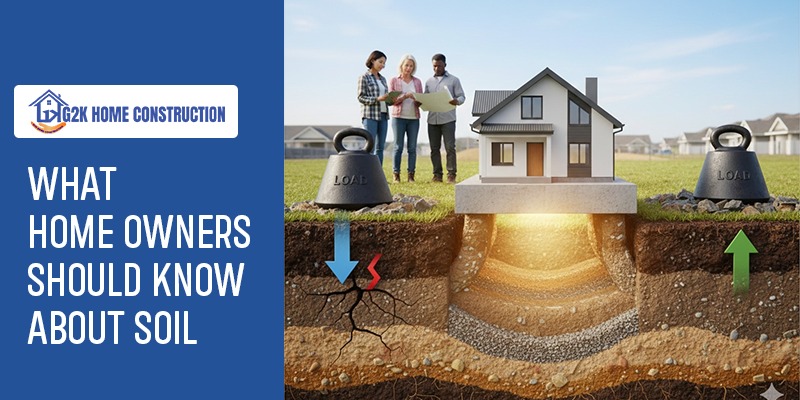
- Soil conditions
- Surrounding structures and ventilation
Proper site study assists independent dwellings in maximising natural light, cross-ventilation, and privacy. It also makes the best use of the site while adhering to local development control guidelines.
3. Conceptual Design and Space Planning
The architect creates the concept design based on the site conditions and the requirements of the client. This stage concentrates on fundamental layout planning rather than elaborate drawings.
The idea design comprises the following:
- Design of the floor plan
- Room sizes and positioning
- Circulation places, such as corridors and staircases
- Basic elevation concept
Independent housing design requires careful space planning. Efficient space utilisation enables easy circulation, usable room sizes, and little waste of built-up space. Before deciding on the optimal solution, various layout possibilities may be discussed.
4. Vaastu Planning (if required)
Many Indian homeowners choose residences that are Vaastu-compliant. If Vaastu is required, it is incorporated into the planning process rather than as an afterthought.
Vaastu factors could include:
- Main entry direction
- Kitchen Placement
- Bedroom orientation
- The staircase's location
- Placement of the Pooja Room
Balancing Vaastu principles with contemporary architectural design necessitates expertise and meticulous planning. Proper integration ensures functionality without sacrificing aesthetics or structural logic.
5. Design development and detailed planning
After finalising the concept plan, the architect moves on to the design development phase. The sketches here grow more detailed and construction-oriented.
This stage includes:
- Final floor plans with dimensions
- furniture layouts
- Positions of the windows and doors
- Staircase Design
- Balcony and utility spaces
Detailed planning helps to eliminate confusion during construction and ensures accurate estimates of materials, costs, and schedules. For independent dwellings, this step is crucial because even minor design modifications later on can dramatically boost expenses.
6. Coordination of structural designs
Architectural planning is strongly related to structural engineering. Once the architectural drawings are completed, they are linked with the structural design.
Structural planning includes:
- Column and beam arrangement
- The foundation type
- Slab thickness
- Load calculation
Proper coordination guarantees that the house is structurally secure and earthquake-resistant while yet following the original layout. Structural optimisation can also help decrease excessive construction expenses for self-contained homes.
7. Elevation Design and Aesthetic Planning
Elevation design focuses on the outer aspect of a home. It determines the overall character and visual appeal of the structure.
Elevation planning involves the following key elements:
- Architectural styles (modern, contemporary, traditional)
- Materials and Textures
- Colour combinations
- Balcony railings and architectural elements
A well-designed elevation not only improves the aesthetics of an independent home, but it also boosts its long-term worth. Elevation design is tailored to the site size, the surrounding area, and the budget.
8. MEP Planning (Electricity, Plumbing, and Services)
Mechanical, electrical, and plumbing (MEP) planning is integrated into the architectural design stage to save future rework.
This includes:
- Electrical switch and lighting scheme
- Plumbing lines and fixture locations
- Water tank and sump planning
- Drainage and Rainwater Harvesting
Proper MEP planning guarantees functionality, safety, and ease of maintenance. Early service planning in independent households prevents wall breakages and cost overruns in later stages.
9. Creation of Approval Drawings
Prior to construction, permission drawings are generated in accordance with local authority criteria. These drawings are presented to municipal or development authorities for approval.
Approval drawings usually include:
- Site plan
- Floor plans
- Elevation and section drawings
- Statements about certain areas
Approval compliance is critical to avoiding legal problems, penalties, and demolition concerns. Experienced construction businesses ensure that the design complies with all local building codes.
10. Final Construction Drawings and Execution Support
Following approvals, the architect creates detailed construction drawings. These designs serve as a guide for contractors and site engineers throughout the execution process.
Construction drawings contain:
- Detailed architectural drawings
- Structural and service drawings
- Material Specifications
Architects may also give execution support, site inspections, and design clarifications to ensure that the project is completed exactly as anticipated.
Why Architectural Planning is Critical for Independent Houses
Architectural planning guarantees:
- Optimal space usage
- Improved Natural Sunlight and Ventilation
- Cost Control and Decreased Rework
- Adherence to Building Codes
- Long-Term Durability and Comfort
A well-designed independent dwelling not only fits present needs but also adapts to future ones.
Conclusion
The architectural planning process for independent houses is a step-by-step process that transforms ideas into well-structured, useful, and visually appealing homes. Every stage of the project, from understanding the demands of the client to preparing construction-ready drawings, is critical to its success.
GK Home Construction specialises in thorough architectural planning that strikes a balance between design, utility, budget, and compliance. A solid planning foundation ensures that your independent home stands tall, looks lovely, and will serve your family for generations.

.png)