
Building a villa is a significant milestone for many homeowners, especially in a fast-growing city like Bengaluru. With its booming real estate market, pleasant climate, and strong infrastructure, the city has become a preferred destination for luxury and customized homes. However, villa construction requires careful planning, realistic budgeting, and the right selection of materials. Understanding the cost structure, construction timeline, and material requirements is essential to avoid delays and unexpected expenses. This guide explains everything you need to know about villa construction in Bengaluru in a clear and practical way.
Understanding the Scope of Villa Construction
Villa construction involves designing and building an independent, spacious, and often premium residential structure with customized features. Unlike apartment projects, villas offer complete ownership of land and structure, allowing homeowners to personalize layouts, elevations, and interiors. The scope usually includes architectural design, approvals, structural work, finishing, landscaping, and utility connections. In Bengaluru, factors such as plot size, location, zoning regulations, and soil conditions directly influence the scope and complexity of construction. A well-defined scope helps homeowners maintain control over quality, cost, and timelines.
Key Factors Affecting Villa Construction Cost
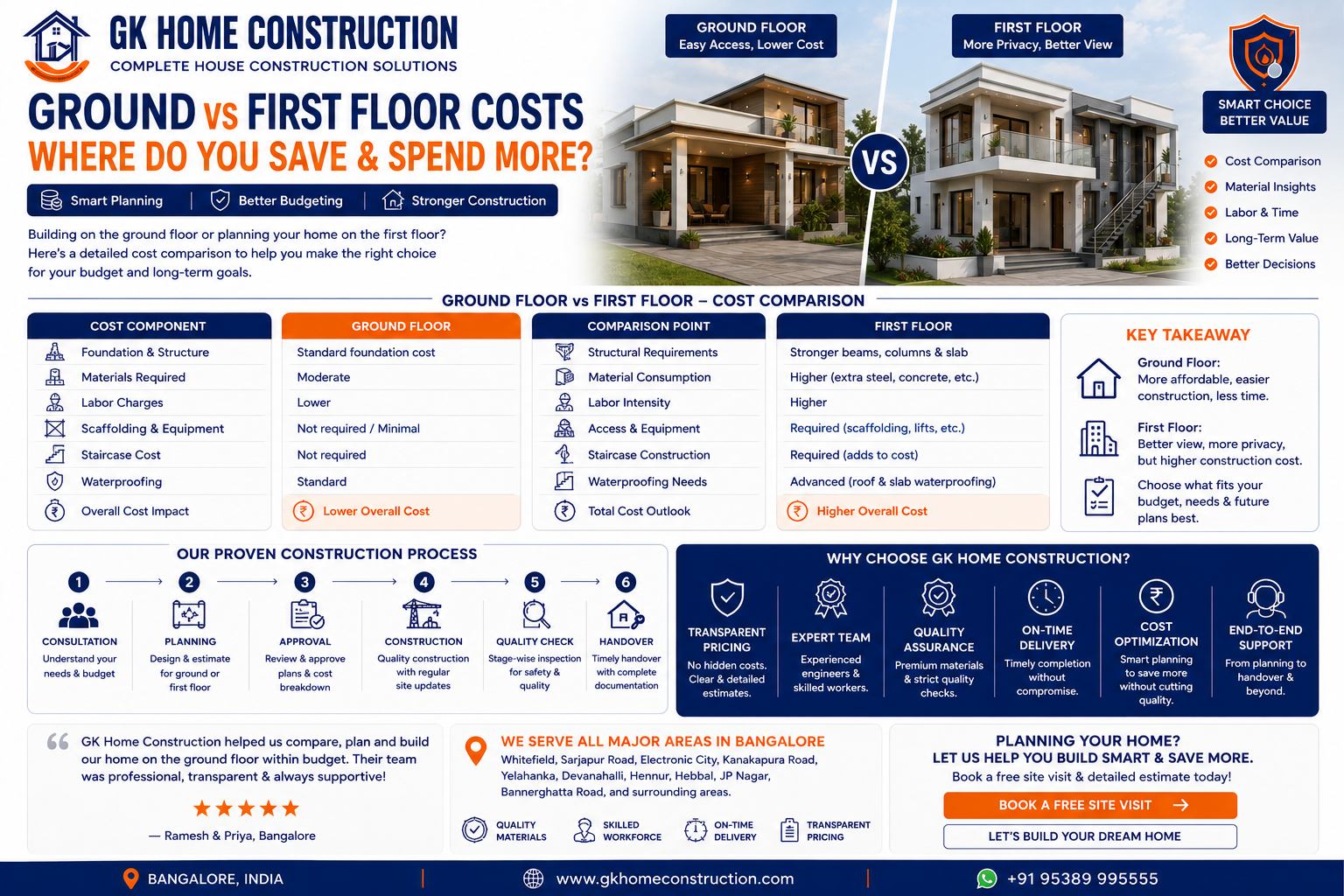
The cost of villa construction in Bengaluru depends on several interconnected factors. Location plays a major role, as labor charges, material transportation, and approval processes vary across areas. The size of the villa, measured in built-up area, directly impacts overall expenses. Design complexity, such as double-height ceilings, basements, or luxury facades, increases construction costs. Material selection, including flooring, doors, fittings, and electrical systems, also affects the final budget. Additionally, labor availability, seasonal demand, and government regulations can influence pricing. Understanding these factors helps homeowners prepare a realistic financial plan.
Average Cost of Villa Construction in Bengaluru
On average, villa construction in Bengaluru ranges from ₹1,800 to ₹3,500 per square foot, depending on quality and specifications. Basic construction with standard materials falls on the lower end, while premium villas with imported fittings and customized interiors fall on the higher side. For example, a 2,500-square-foot villa may cost between ₹45 lakhs and ₹85 lakhs. This estimate generally includes structural work, basic finishes, plumbing, electrical systems, and standard fixtures. However, landscaping, modular kitchens, smart home systems, and luxury interiors are usually calculated separately. A detailed cost breakup ensures transparency and avoids budget overruns.
Importance of Budget Planning and Cost Control
Proper budget planning is essential for successful villa construction. Homeowners should allocate funds for land development, approvals, construction, interiors, and contingency expenses. A contingency budget of at least 8–10% is recommended to manage unforeseen costs. Regular monitoring of expenses and milestone-based payments help maintain financial discipline. Working with a professional construction company ensures better cost control through material procurement, labor management, and project supervision. Transparent billing and written agreements also protect homeowners from hidden charges.
Typical Timeline for Villa Construction
The construction timeline for a villa in Bengaluru usually ranges from 10 to 18 months, depending on project size and complexity. Smaller villas with simple designs can be completed faster, while large luxury villas require more time. The process begins with design finalization and approvals, which may take one to three months. Foundation and structural work generally takes three to four months. Brickwork, plastering, and roofing follow, requiring another three to four months. Finishing works, including flooring, painting, and fittings, take the final three to five months. Weather conditions, labor availability, and material supply can affect timelines.
Stages of Villa Construction Process
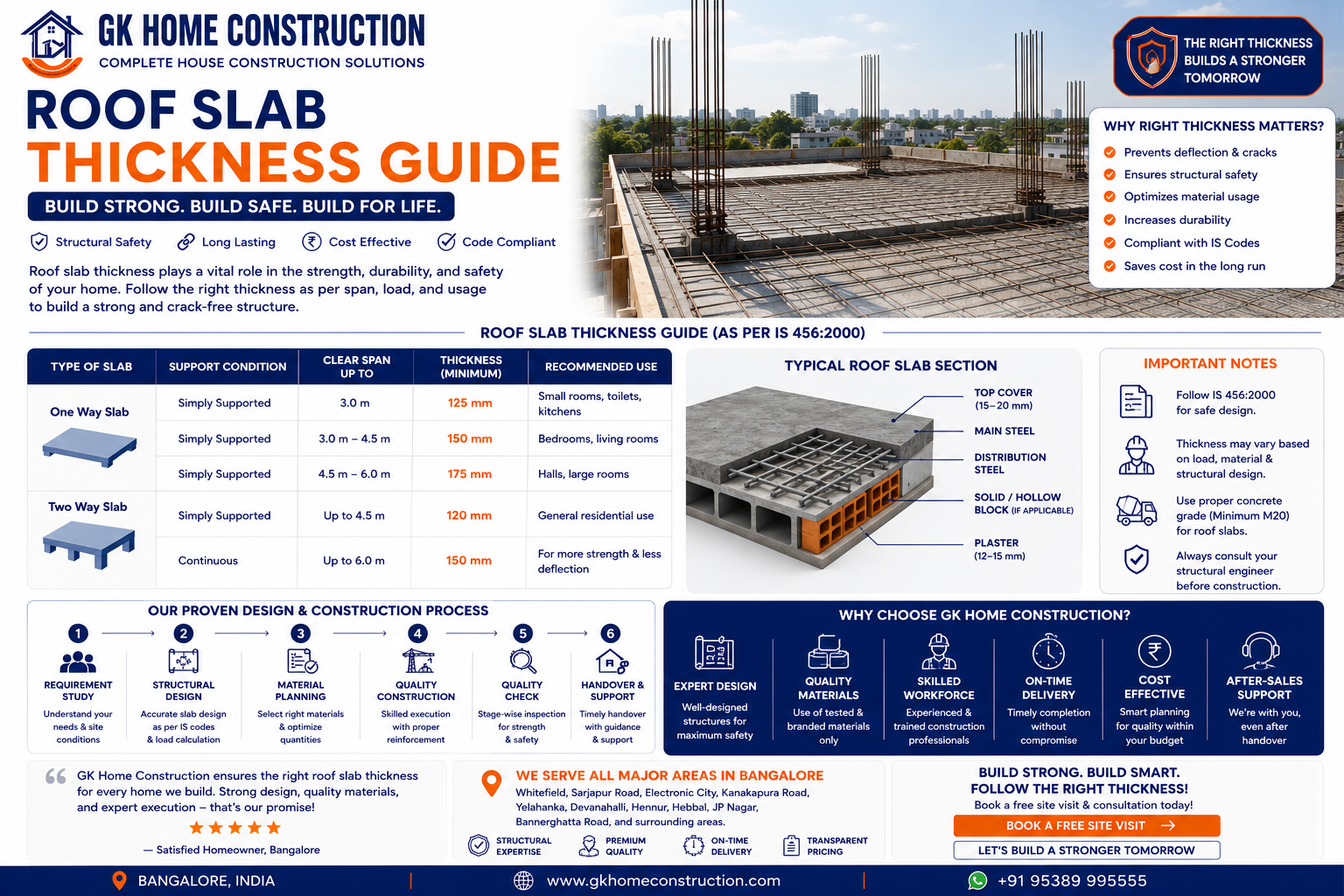
Villa construction follows a systematic process to ensure quality and safety. The first stage involves soil testing, site clearance, and layout marking. This is followed by foundation work using concrete and steel reinforcement. The next stage includes column, beam, and slab construction to form the structural framework. Brickwork and plastering create walls and surfaces. Roofing, waterproofing, and external finishes are then completed. Finally, electrical wiring, plumbing, flooring, painting, and interior fittings are installed. Each stage requires proper inspection to maintain structural integrity and workmanship standards.
Selection of Construction Materials
Choosing the right materials is crucial for durability, safety, and long-term value. Cement, steel, sand, and aggregates form the foundation of structural work. High-grade cement and corrosion-resistant steel ensure strength and longevity. Bricks or concrete blocks are selected based on thermal insulation and load-bearing capacity. Waterproofing chemicals protect the structure from moisture damage. For flooring, options such as vitrified tiles, granite, and wooden laminates are commonly used. Doors and windows made from teak wood, UPVC, or aluminum provide durability and aesthetic appeal. Quality materials reduce maintenance costs and improve resale value.
Role of Sustainable and Eco-Friendly Materials
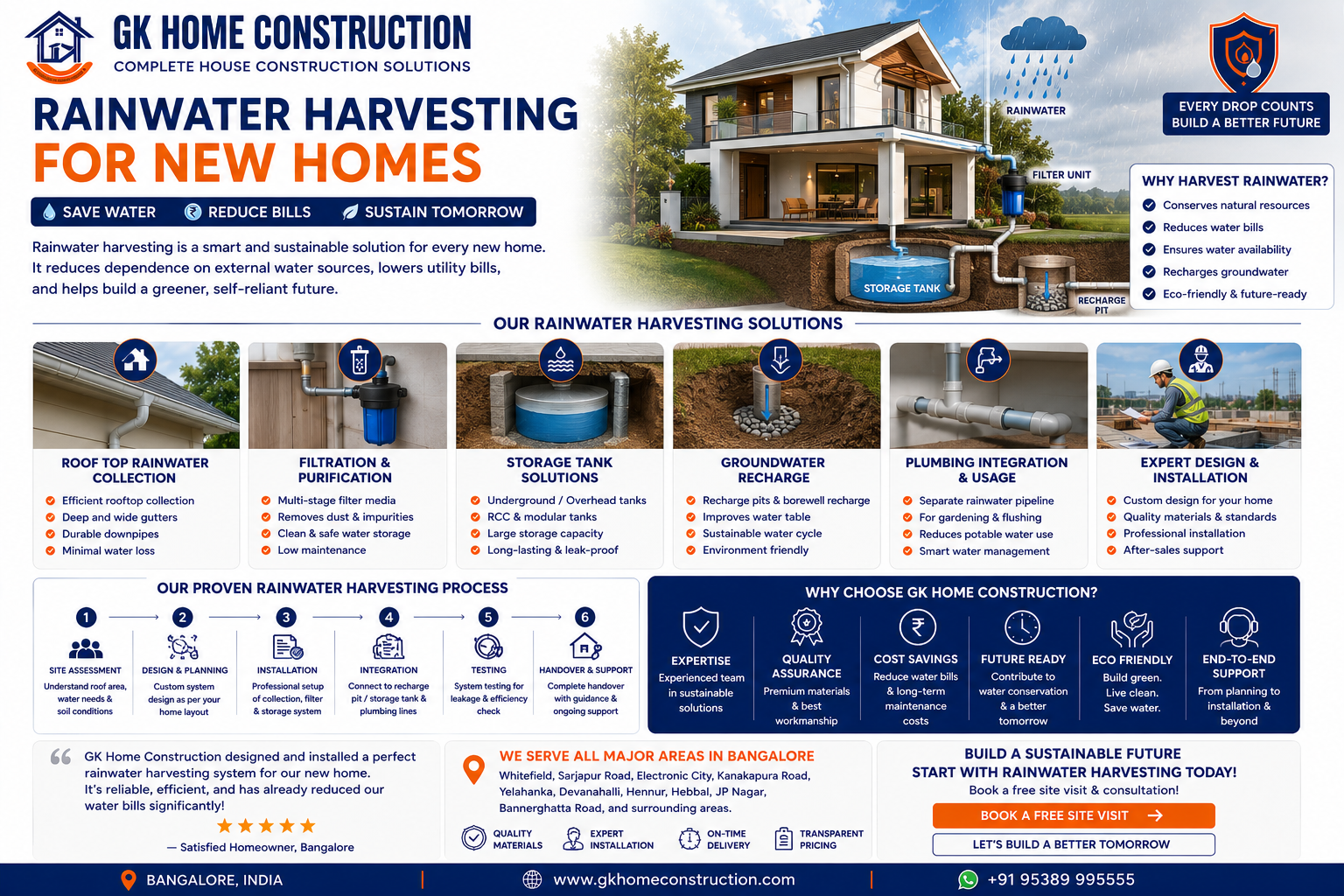
Sustainability is becoming an important aspect of villa construction in Bengaluru. Many homeowners now prefer eco-friendly materials to reduce environmental impact and improve energy efficiency. Fly ash bricks, solar panels, rainwater harvesting systems, and low-VOC paints are widely used. Natural stone, bamboo, and recycled wood are also gaining popularity. Energy-efficient lighting and water-saving fixtures help reduce utility bills. Incorporating sustainable practices not only benefits the environment but also enhances the long-term value of the property.
Legal Approvals and Regulatory Compliance
Before starting construction, homeowners must obtain necessary approvals from local authorities. These include building plan sanctions, land conversion certificates, and environmental clearances if applicable. Compliance with zoning regulations, floor area ratio norms, and setback rules is mandatory. Failure to obtain proper approvals can lead to penalties, project delays, or demolition notices. Working with experienced professionals ensures that all legal requirements are met. Proper documentation also makes future property transactions easier and safer.
Importance of Hiring a Professional Construction Company
Hiring a reliable construction company plays a major role in project success. Experienced builders provide end-to-end services, including design coordination, material sourcing, labor management, and quality control. They follow standardized processes and safety guidelines, reducing the risk of structural defects. Professional project management ensures timely completion and cost efficiency. For homeowners, this means peace of mind, reduced stress, and better overall results. A trustworthy construction partner also offers post-construction support and warranty services.
Customization and Interior Planning
One of the main advantages of villa construction is the freedom to customize interiors. Homeowners can design layouts according to family needs, lifestyle, and future requirements. Popular customization options include home offices, entertainment rooms, walk-in wardrobes, and open kitchens. Interior planning should be done alongside structural design to avoid modifications later. Proper lighting, ventilation, and storage solutions improve comfort and functionality. Thoughtful interior design enhances both living experience and property value.
Maintenance and Long-Term Value
After completion, regular maintenance is essential to preserve the villa’s quality and appearance. Periodic inspections of roofing, plumbing, and electrical systems help prevent major repairs. Exterior painting and waterproofing should be done at regular intervals. Using high-quality materials during construction reduces long-term maintenance costs. A well-maintained villa not only offers better living comfort but also commands higher resale and rental value in Bengaluru’s competitive real estate market.
Conclusion
Villa construction in Bengaluru is a rewarding investment when planned and executed correctly. Understanding cost components, realistic timelines, and material choices helps homeowners make informed decisions. From budgeting and approvals to construction and maintenance, every stage requires careful attention. By partnering with experienced professionals and using quality materials, homeowners can build a durable, comfortable, and valuable villa. With proper planning and execution, your dream home can become a lasting asset that meets both lifestyle and financial goals.