Introduction
Plumbing systems are one of the most essential parts of any residential or commercial building. From supplying clean water to removing wastewater, a well-functioning plumbing network ensures comfort, hygiene, and safety. However, even minor defects in pipes, joints, or fittings can lead to major problems such as leakage, water damage, mold growth, and structural deterioration. Many of these issues remain hidden behind walls or beneath floors and are difficult to detect during routine inspections. This is where pressure testing plays a crucial role. Pressure testing is a systematic method used to check the strength, tightness, and reliability of plumbing systems before they are put into regular use. For homeowners and builders, especially in growing cities like Bangalore, understanding the importance of pressure testing can help prevent long-term maintenance problems and costly repairs.
What Is Pressure Testing in Plumbing?
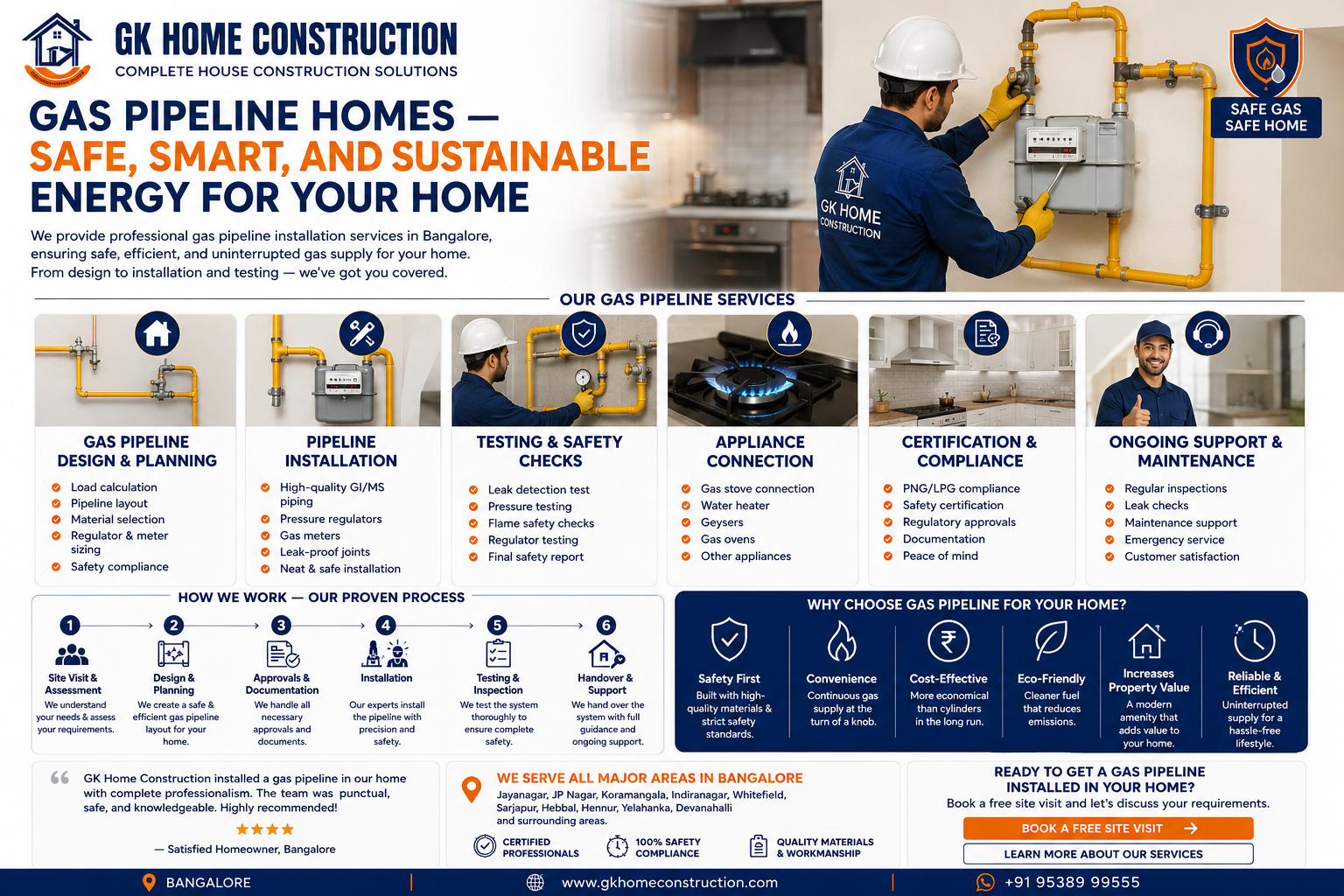
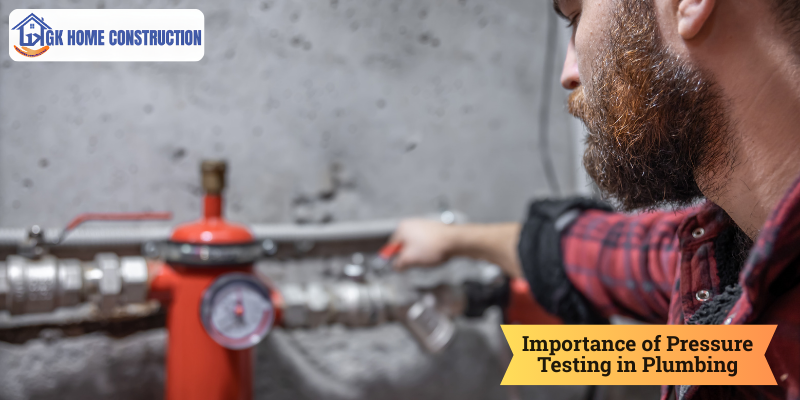
Pressure testing is a procedure in which water or air is forced into the plumbing system at a controlled pressure level to check for leaks, weak joints, or faulty installations. During this process, all pipe connections, valves, and fittings are closely monitored to ensure they can withstand operational pressure without failure. The test is usually conducted after installation and before walls, floors, or ceilings are sealed. In residential construction, pressure testing is commonly performed on water supply lines, drainage pipes, and sometimes gas pipelines. The main purpose of this test is to verify that the entire plumbing network is strong, secure, and ready for long-term usage.
Why Pressure Testing Is Essential in Construction Projects
Pressure testing is not just an optional quality check but a vital step in professional construction. Plumbing systems are hidden components that remain inaccessible once finishing work is completed. If defects are discovered later, repairs often require breaking tiles, walls, or flooring, leading to inconvenience and additional expenses. By conducting pressure testing at the right stage, builders can identify problems early and fix them before final handover. This ensures that the building meets quality standards and provides peace of mind to homeowners. For construction companies like GK Home Construction, pressure testing reflects commitment to durability, safety, and customer satisfaction.
Preventing Hidden Water Leaks
One of the biggest advantages of pressure testing is its ability to detect hidden leaks. Small cracks, loose fittings, or poorly sealed joints may not show visible signs initially but can gradually worsen over time. These hidden leaks can lead to damp walls, peeling paint, weakened foundations, and electrical hazards. Pressure testing exposes such weaknesses by creating internal pressure that highlights even the smallest faults. Early detection helps in repairing the system before serious damage occurs, thereby protecting the overall structure of the building.
Protecting Structural Integrity of Buildings
Water leakage is one of the leading causes of structural damage in residential and commercial properties. Continuous seepage can weaken concrete, corrode steel reinforcements, and reduce the lifespan of buildings. Moisture accumulation also encourages mold and fungus growth, which affects indoor air quality and residents’ health. Pressure testing ensures that plumbing systems are leak-proof and capable of maintaining proper water flow without damaging surrounding materials. By preventing long-term moisture exposure, this process plays a significant role in preserving structural strength and safety.
Improving Plumbing System Performance
A properly tested plumbing system functions more efficiently and reliably. Pressure testing confirms that water flows smoothly through pipes without obstruction or pressure loss. It also ensures that fixtures receive adequate water pressure for daily activities such as bathing, cooking, and cleaning. Inadequate pressure can cause inconvenience and affect appliance performance. By identifying blockages, weak joints, or misaligned pipes during testing, technicians can optimize the system for better performance. This leads to improved comfort and functionality for occupants.
Reducing Long-Term Maintenance Costs
Many homeowners underestimate the financial impact of plumbing failures. Minor leaks, if ignored, can result in expensive repairs, replacement of flooring, repainting, and even furniture damage. Regular pressure testing during construction helps avoid such long-term expenses. By investing in proper testing at the initial stage, property owners can save significantly on future maintenance and repair costs. It also reduces the frequency of emergency plumbing services, which are often more expensive than planned inspections and repairs.
Ensuring Compliance with Building Standards
Modern construction projects must follow specific building codes and safety regulations set by authorities. These standards are designed to ensure the safety and durability of structures. Pressure testing is often a mandatory requirement before approving plumbing installations. It confirms that pipes and fittings meet quality benchmarks and can withstand normal operating conditions. By conducting proper pressure tests, builders ensure legal compliance and avoid penalties, project delays, or certification issues. This enhances the credibility of construction firms and builds trust among clients.
Enhancing Homebuyer Confidence
For homebuyers, plumbing reliability is a major concern. Frequent leaks, low water pressure, and drainage issues can severely affect living comfort. When builders perform pressure testing and share reports with clients, it creates transparency and builds confidence. Buyers feel assured that their property has been constructed using professional practices and high-quality standards. This is especially important in competitive real estate markets, where trust and reputation influence purchasing decisions.
Pressure Testing During Renovation and Repair Projects
Pressure testing is not limited to new constructions. It is equally important during renovation, remodeling, or major plumbing repairs. When old pipes are replaced or new connections are added, testing helps verify compatibility and safety. Older buildings often have worn-out pipelines that are prone to leakage. Conducting pressure tests after renovation ensures that the upgraded system works efficiently and does not compromise existing structures. This approach helps extend the life of renovated properties and improves overall performance.
Professional Expertise in Pressure Testing
Although pressure testing may seem simple, it requires technical knowledge, proper equipment, and experience. Incorrect pressure levels or poor monitoring can give misleading results. Professional plumbers and construction experts use calibrated instruments and follow standardized procedures to ensure accurate testing. They also know how to interpret results and recommend appropriate corrective measures. Hiring experienced professionals ensures reliable outcomes and reduces the risk of future plumbing failures.
Conclusion
Pressure testing is a fundamental step in ensuring the durability, safety, and efficiency of plumbing systems. It helps identify hidden leaks, protects structural integrity, improves system performance, and reduces long-term maintenance costs. Moreover, it ensures compliance with building regulations and enhances buyer confidence. For construction companies like GK Home Construction, integrating pressure testing into every project reflects a commitment to quality and customer satisfaction. Homeowners who prioritize pressure testing benefit from reliable plumbing, fewer repair issues, and long-lasting property value. In today’s construction environment, where quality and durability are essential, pressure testing is not just a technical procedure but a smart investment for the future.