Introduction
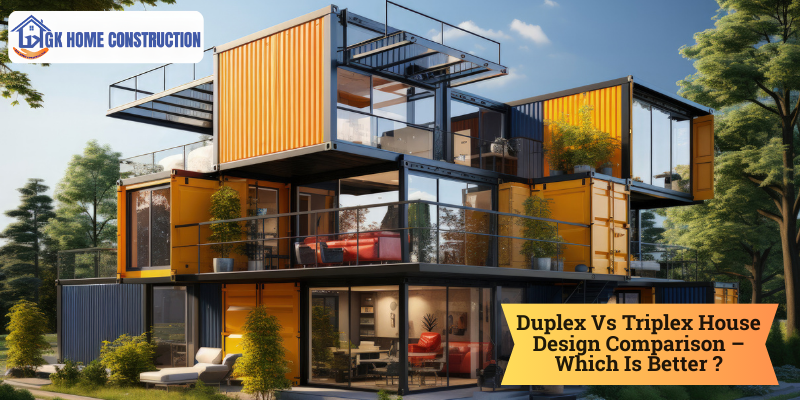
Choosing the right house design is one of the most important decisions for homeowners and property investors. In modern urban areas like Bangalore and other growing cities in India, space optimization and smart planning have become essential. Duplex and triplex houses are two popular residential formats that offer multi-level living within a single plot. Both designs provide excellent opportunities for maximizing land usage, enhancing privacy, and increasing property value. However, each comes with its own advantages and limitations. Understanding the differences between duplex and triplex house designs can help homeowners make informed decisions based on their budget, lifestyle, and long-term goals.
Understanding Duplex House Design
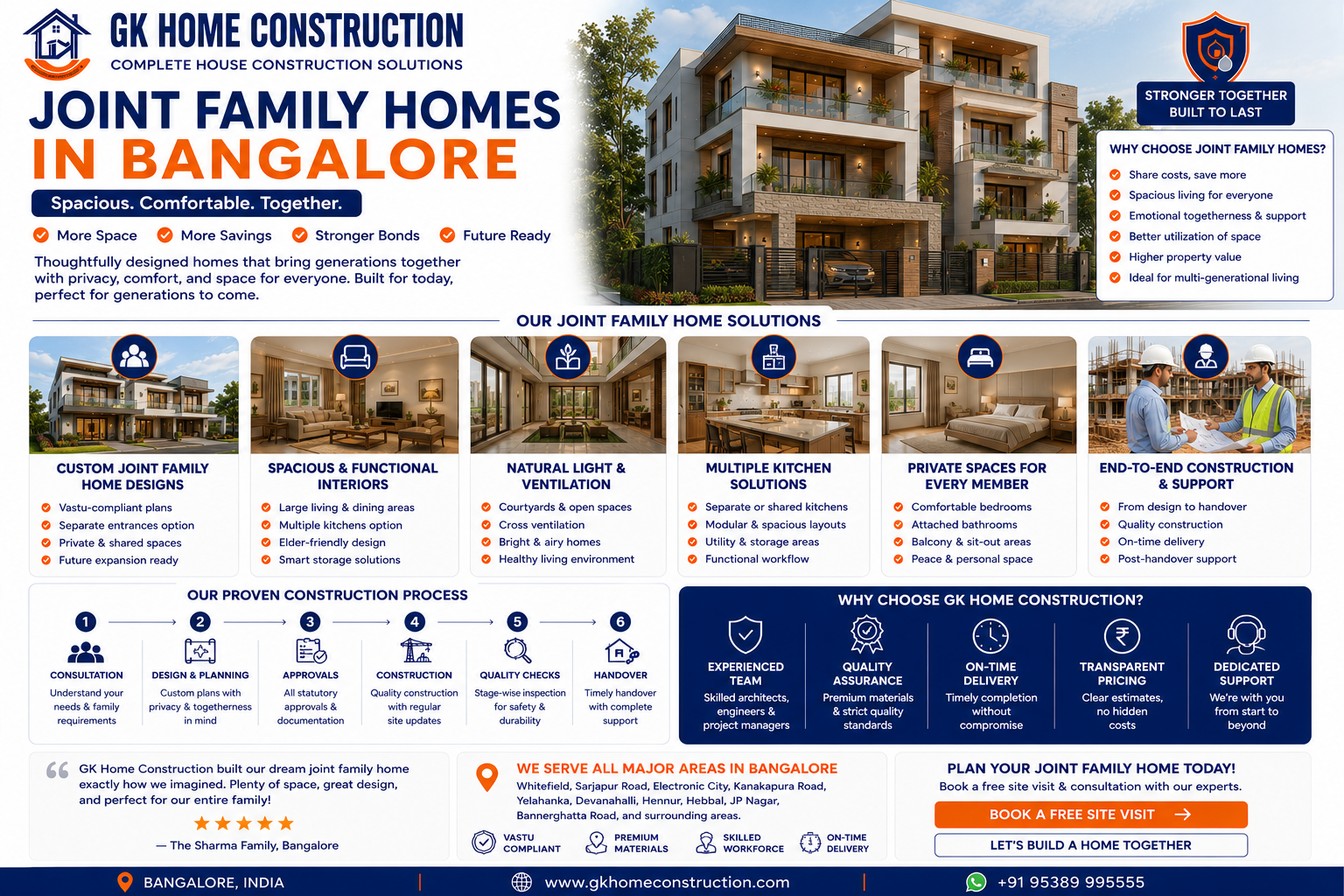
A duplex house is a residential structure that consists of two separate living units within one building. These units can be arranged either vertically or horizontally. In most urban constructions, duplex homes are built vertically, with one family occupying two connected floors through an internal staircase. Duplex houses are ideal for joint families, rental purposes, or homeowners who want additional space without investing in multiple properties. They offer a balance between independent living and shared infrastructure, making them a practical choice for many homebuyers.
Duplex homes are often preferred because they provide privacy while still keeping family members close. They can also be customized to include separate entrances, making them suitable for rental income. From a construction perspective, duplex houses are relatively easier to design and manage compared to larger multi-unit buildings.
Understanding Triplex House Design
A triplex house consists of three independent residential units within a single structure. These units are usually arranged vertically, covering three floors. Each floor functions as a separate home with its own kitchen, bedrooms, and living areas. Triplex houses are commonly built on larger plots and are popular among property investors and large families.
Triplex designs are suitable for homeowners who want to accommodate multiple families or generate higher rental income. They provide more flexibility in space utilization and allow owners to divide living spaces according to their requirements. However, triplex homes require careful planning to ensure proper ventilation, lighting, and structural stability.
Space Utilization and Layout Planning
One of the major differences between duplex and triplex houses lies in space utilization. Duplex homes typically offer larger living areas per unit, making them comfortable for single families. The layout is usually simple, with bedrooms on upper floors and common areas on lower floors. This arrangement provides a homely feel and smooth movement within the house.
Triplex houses, on the other hand, focus on vertical expansion. Since there are three units, each floor may have relatively smaller spaces compared to duplex homes. However, the overall built-up area is usually higher. Triplex designs are ideal for maximizing plot usage, especially in areas with limited land availability. With proper architectural planning, triplex homes can still offer comfortable and functional living spaces.
Construction Cost and Budget Considerations
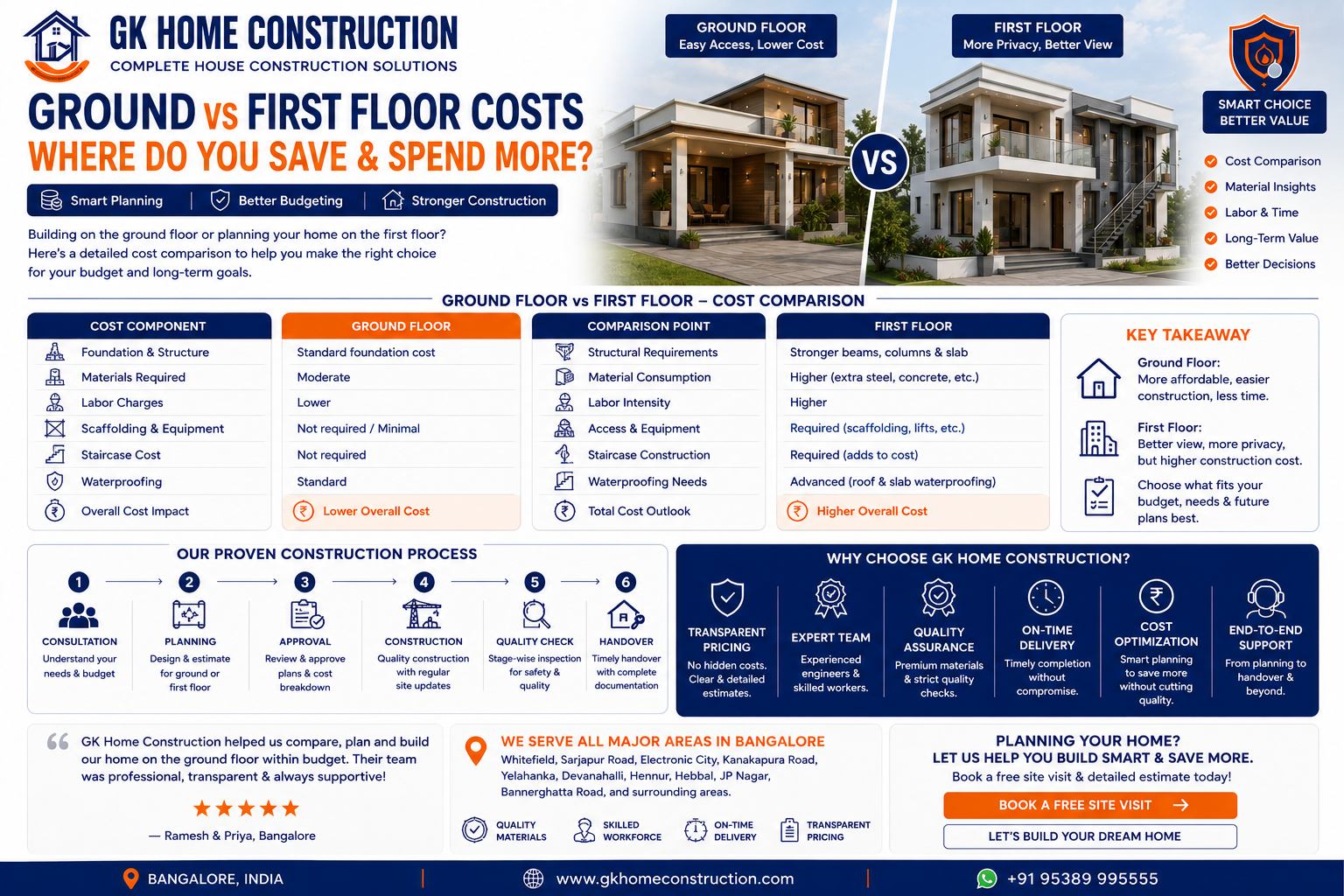
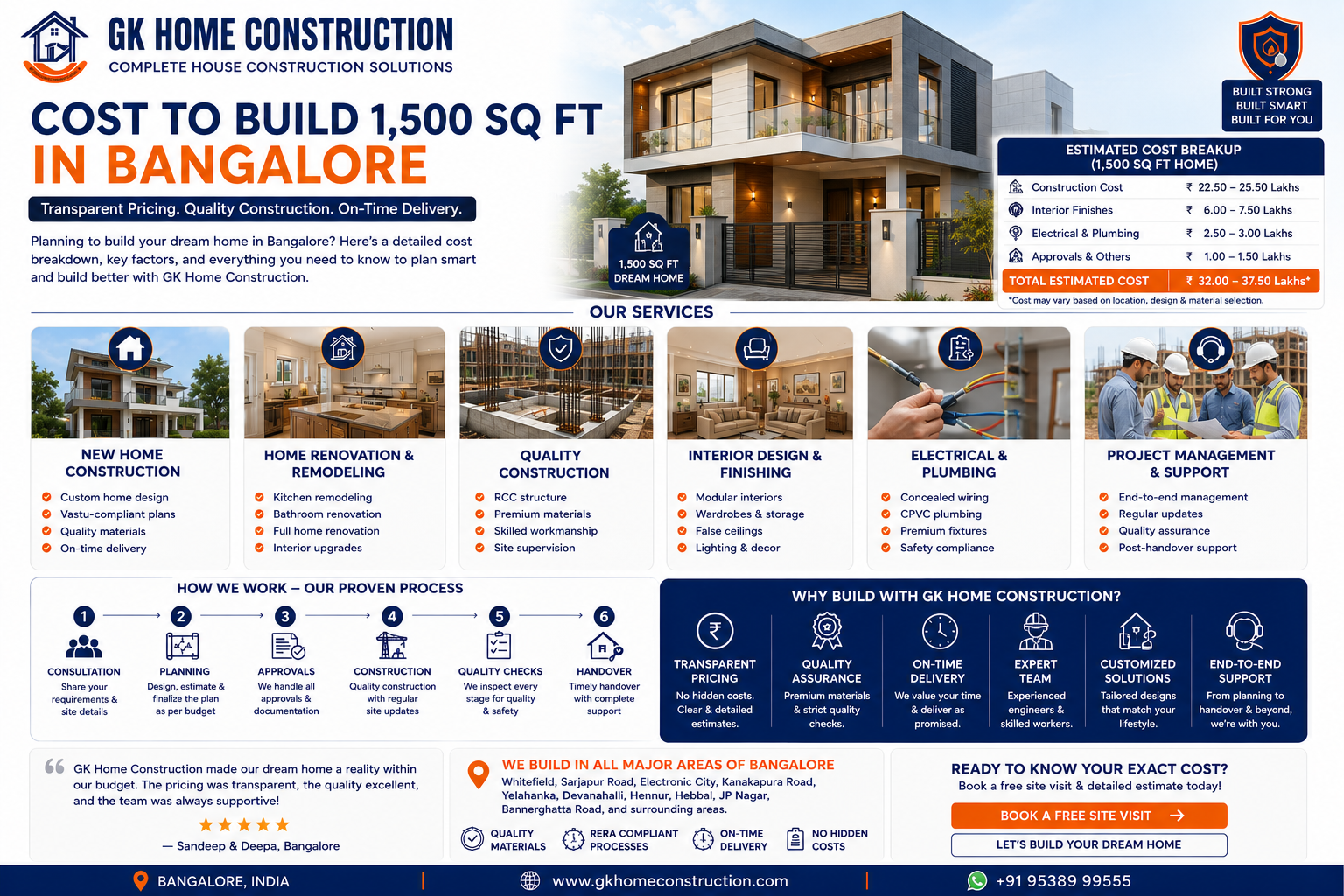
Budget plays a crucial role in deciding between duplex and triplex houses. Duplex homes generally have lower construction costs because they involve fewer floors, simpler structural designs, and reduced material usage. Maintenance expenses are also comparatively lower, making duplex houses suitable for middle-income families.
Triplex houses require stronger foundations, advanced structural planning, and additional materials. This leads to higher construction and finishing costs. Moreover, the installation of elevators, advanced plumbing systems, and fire safety measures may further increase expenses. While triplex homes demand higher investment, they also offer better long-term returns through rental income or resale value.
Privacy and Lifestyle Factors
Privacy is an important aspect of residential living. Duplex houses offer better privacy for single families, as the entire structure is usually occupied by one household or closely related members. Internal staircases ensure seamless movement without disturbing other occupants. This setup is ideal for families seeking peaceful and personalized living environments.
In triplex houses, privacy depends on how the units are utilized. If different families occupy each floor, there may be limited interaction and shared spaces. While this arrangement suits rental purposes, it may not be ideal for families who prefer exclusive living. Noise levels, shared entrances, and parking arrangements should be carefully planned to maintain comfort.
Rental Income and Investment Potential
From an investment perspective, triplex houses have a clear advantage. With three independent units, homeowners can earn multiple rental incomes from a single property. This makes triplex homes highly attractive for real estate investors and landlords. They also offer flexibility, allowing owners to live in one unit while renting out the others.
Duplex houses also provide rental opportunities, but on a smaller scale. Usually, one unit is rented out while the owner occupies the other. While this generates steady income, the overall returns may be lower compared to triplex properties. However, duplex homes often attract long-term tenants, ensuring stable occupancy.
Maintenance and Management Requirements
Maintenance is another important factor to consider. Duplex houses are easier to manage due to fewer units and simpler layouts. Repairs, cleaning, and utility management can be handled efficiently, reducing long-term operational costs. Homeowners can also maintain better control over security and upkeep.
Triplex houses require more organized maintenance systems. Plumbing, electrical networks, water supply, and waste management become more complex as the number of units increases. Regular inspections and professional management may be necessary to ensure smooth functioning. This can add to recurring expenses but is essential for preserving property value.
Legal Approvals and Compliance
Both duplex and triplex constructions must comply with local building regulations, zoning laws, and municipal guidelines. Duplex houses generally face fewer approval challenges due to their smaller scale. They are easier to register, insure, and modify in the future.
Triplex houses may require additional approvals related to fire safety, parking norms, and occupancy limits. Developers and homeowners must ensure that all legal requirements are met before construction begins. Proper documentation and compliance help avoid legal issues and ensure hassle-free ownership.
Resale Value and Market Demand
Market demand plays a vital role in determining resale value. Duplex houses are popular among end-users who want comfortable family homes. They have consistent demand in residential neighborhoods and are easier to sell due to their affordability and practicality.
Triplex houses attract investors and buyers looking for income-generating properties. Their resale value is usually higher in commercial and rental-focused areas. However, finding suitable buyers may take longer, especially in purely residential zones. Location and infrastructure significantly influence the resale potential of both formats.
Which Is Better for You?
The choice between a duplex and a triplex house depends on your personal goals, budget, and lifestyle preferences. If you are looking for a spacious home for your family with moderate investment and easy maintenance, a duplex house is an excellent option. It offers comfort, privacy, and long-term stability.
If your priority is maximizing returns, accommodating multiple families, or building a rental-oriented property, a triplex house may be the better choice. Although it requires higher initial investment, it provides strong income potential and better land utilization.
Conclusion
Duplex and triplex house designs both offer unique advantages in today’s urban housing market. Duplex homes are ideal for families seeking balanced living with reasonable costs, while triplex houses cater to investors and large households aiming for higher space utilization and income generation. By evaluating factors such as budget, privacy, maintenance, and long-term objectives, homeowners can select the design that best suits their needs. At GK Home Construction, professional planning and expert execution ensure that both duplex and triplex projects deliver quality, comfort, and lasting value.