How Long Does Waterproofing Last? A Complete Guide for Homeowners
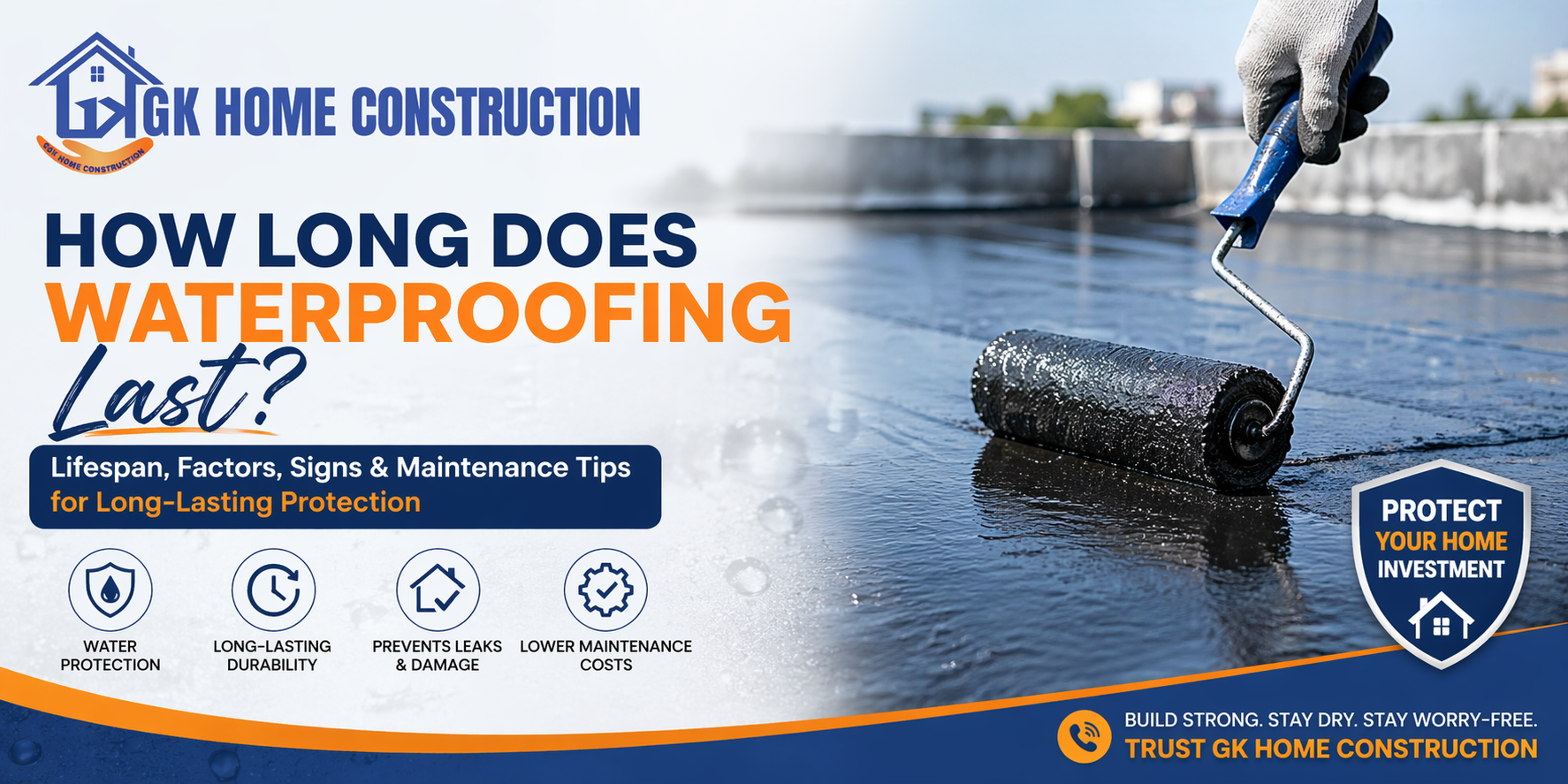
Waterproofing is one of the most essential investments in any building, whether it is a residential home or a commercial property. It acts as a protective shield against water intrusion, preventing structural damage, mold growth, and long-term deterioration. However, one of the most common questions property owners ask is: how long does waterproofing last? The answer is not always straightforward, as the lifespan of waterproofing depends on multiple factors, including the type of waterproofing method used, quality of materials, workmanship, and environmental conditions. Understanding these aspects can help you make informed decisions and ensure long-lasting protection for your property.
Understanding the Lifespan of Waterproofing
The durability of waterproofing systems varies significantly based on the technique and materials applied. In general, most waterproofing solutions can last anywhere between 5 to 15 years, while some high-quality systems may extend beyond 20 years with proper maintenance. For instance, liquid waterproofing membranes typically last around 8 to 10 years, while bituminous coatings may provide protection for approximately 5 to 7 years. On the other hand, advanced systems such as polyurethane waterproofing and crystalline waterproofing are known for their longer lifespan, often exceeding 15 years when applied correctly. It is important to note that these are average estimates, and actual performance may vary depending on real-world conditions.
Factors That Affect Waterproofing Longevity
Several factors play a crucial role in determining how long waterproofing will last. One of the primary factors is the quality of materials used. Premium-grade materials are designed to withstand harsh conditions, UV exposure, and temperature variations, resulting in a longer lifespan. Another critical factor is workmanship. Even the best materials can fail prematurely if not applied correctly. Proper surface preparation, correct application techniques, and adherence to manufacturer guidelines are essential for durability.
Environmental conditions also have a significant impact. Areas exposed to heavy rainfall, high humidity, or extreme temperature fluctuations may experience faster wear and tear of waterproofing systems. Structural movement, such as cracks or settlement in the building, can also compromise the effectiveness of waterproofing over time. Additionally, regular maintenance and inspections play a key role in extending the life of waterproofing systems. Neglecting minor issues can lead to major failures in the future.
Types of Waterproofing and Their Expected Lifespan
Different waterproofing methods offer varying levels of durability and performance. Liquid waterproofing is one of the most commonly used methods due to its flexibility and ease of application. It forms a seamless coating that can adapt to minor structural movements, but it may require reapplication after a decade. Bituminous waterproofing, often used for roofs and basements, provides good protection but may degrade faster when exposed to sunlight and temperature changes.
Cementitious waterproofing is another widely used method, especially for internal areas such as bathrooms and water tanks. While it is cost-effective and easy to apply, its lifespan is generally shorter compared to advanced systems. Polyurethane waterproofing is known for its high flexibility and resistance to weathering, making it a durable choice for terraces and roofs. Crystalline waterproofing, which penetrates the concrete structure and forms crystals to block water pathways, is considered one of the most long-lasting solutions, as it becomes an integral part of the structure itself.
Signs that Waterproofing Needs Replacement
Even the best waterproofing systems do not last forever, and it is important to recognize the signs of failure. One of the earliest indicators is the appearance of damp patches on walls or ceilings. Peeling paint, mold growth, and musty odors are also common warning signs. In more severe cases, you may notice visible cracks, water leakage during rains, or weakened structural elements. Ignoring these signs can lead to costly repairs and potential health hazards. Regular inspections can help identify issues early and extend the life of your waterproofing system.
Importance of Professional Application
The effectiveness and longevity of waterproofing largely depend on the expertise of the professionals carrying out the work. Hiring experienced contractors ensures that the right materials and techniques are used for your specific requirements. Professionals conduct proper surface preparation, identify vulnerable areas, and apply the waterproofing system with precision. They also provide guidance on maintenance practices that can help maximize the lifespan of the system. Investing in professional services may seem costly initially, but it significantly reduces the risk of premature failure and expensive repairs in the future.
Maintenance Tips to Extend Waterproofing Life
Proper maintenance is essential to get the most out of your waterproofing system. Regular inspections, especially before and after the rainy season, can help detect minor issues early. Keeping drainage systems clean and ensuring proper water flow prevents water accumulation, which can damage waterproofing layers. Avoiding structural damage, such as drilling or heavy impacts on waterproofed surfaces, also helps maintain integrity. Reapplying protective coatings or sealants as recommended can further enhance durability. By following these simple practices, you can significantly extend the lifespan of your waterproofing system.
Why Waterproofing is a Long-Term Investment
Waterproofing is not just a one-time expense; it is a long-term investment in the safety and durability of your property. A well-executed waterproofing system protects your building from water damage, reduces maintenance costs, and increases property value. It also contributes to a healthier living environment by preventing mold and dampness. While the initial cost may vary depending on the method used, the long-term benefits far outweigh the investment. Choosing the right waterproofing solution and maintaining it properly ensures that your property remains protected for years to come.
Conclusion
The lifespan of waterproofing depends on various factors, including the type of system used, quality of materials, workmanship, and environmental conditions. While most waterproofing solutions last between 5 to 15 years, advanced systems can provide protection for much longer. Regular maintenance and timely inspections are essential to maximize durability and prevent costly damage. By understanding how waterproofing works and investing in the right solutions, homeowners can ensure long-lasting protection and peace of mind. For reliable results, always choose experienced professionals who can deliver quality workmanship and tailored solutions for your specific needs.