
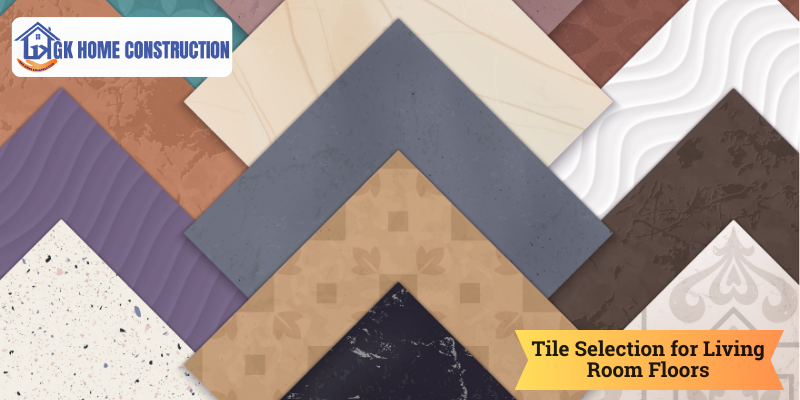
Introduction to Living Room Flooring Choices
The living room is the most visible and frequently used space in any home. It reflects your lifestyle, taste, and overall interior planning. Choosing the right floor tiles for the living room is a crucial decision because flooring not only affects aesthetics but also durability, comfort, and maintenance over time. With a wide variety of tile materials, finishes, sizes, and colors available today, homeowners often feel confused while making the final selection. Proper tile selection ensures long-term performance while enhancing the visual appeal of your living space.
Importance of Right Tile Selection
Living room floors experience continuous foot traffic, furniture movement, and exposure to dust and moisture. Selecting the wrong type of tile can lead to early wear, scratches, or maintenance issues. The right tile offers durability, safety, and ease of cleaning while complementing the interior theme of your house. A well-chosen tile also increases the property value and creates a welcoming environment for guests.
Understanding Living Room Usage
Before selecting tiles, it is important to understand how the living room will be used. Homes with children, pets, or frequent visitors require tiles that are strong and scratch-resistant. In apartments or villas where the living room connects to balconies or dining areas, tiles should handle moisture and dirt efficiently. Usage patterns directly influence tile thickness, finish, and material selection.
Popular Tile Materials for Living Rooms
Vitrified tiles are one of the most preferred choices for living room floors due to their strength, low porosity, and polished appearance. They are available in glossy, matte, and satin finishes, making them suitable for modern and traditional interiors. Ceramic tiles are another option, offering affordability and a wide design range, but they are more suitable for low-traffic areas. Porcelain tiles provide superior strength and moisture resistance, making them ideal for premium living rooms. Natural stone tiles such as marble or granite offer timeless elegance but require regular maintenance and professional installation.
Choosing the Right Tile Finish
Tile finish plays a major role in both appearance and safety. Glossy tiles enhance brightness and give a luxurious look, making small living rooms appear larger. However, they can be slippery when wet and may show scratches easily. Matte-finish tiles offer better grip, hide dust, and are easier to maintain, making them ideal for homes with elderly residents or children. Satin or semi-matte finishes strike a balance between elegance and practicality, offering subtle shine without compromising safety.
Selecting the Ideal Tile Size
Tile size greatly impacts the overall visual flow of the living room. Large-format tiles create a seamless and spacious appearance by reducing grout lines. They are particularly suitable for modern homes and open floor plans. Medium-sized tiles work well for standard living rooms, offering easy installation and minimal wastage. Smaller tiles are generally avoided for living rooms as they create more joints, which can affect aesthetics and maintenance.
Color Selection and Visual Impact
Tile color defines the mood of the living room. Light-colored tiles such as beige, cream, or light grey enhance brightness and create an airy feel. These shades are ideal for compact spaces or homes with limited natural light. Dark-colored tiles offer a bold and sophisticated look but require proper lighting to avoid making the room feel smaller. Neutral shades are highly versatile and allow flexibility in furniture and décor choices.
Matching Tiles with Interior Design
Living room tiles should complement wall colors, furniture, and overall interior style. For contemporary homes, minimalistic tiles with subtle patterns work best. Traditional interiors pair well with stone-textured or warm-toned tiles. Wood-finish tiles are a popular choice for homeowners who want the warmth of wooden flooring with the durability of tiles. Consistency between flooring and interior elements ensures a harmonious design.
Slip Resistance and Safety Considerations
Safety is often overlooked during tile selection. Living rooms connected to balconies or entrance areas require tiles with good slip resistance. Tiles with higher friction ratings reduce the risk of accidents, especially during monsoons. Matte or textured tiles provide better grip and are suitable for Indian climatic conditions. Choosing safe tiles ensures comfort and peace of mind for all family members.
Maintenance and Cleaning Requirements
Easy maintenance is a key factor in tile selection. Living room tiles should resist stains, dust accumulation, and fading. Vitrified and porcelain tiles require minimal maintenance and retain their appearance for years. Natural stone tiles need sealing and careful cleaning to prevent discoloration. Choosing tiles that match your lifestyle and cleaning habits helps maintain a fresh-looking living room with minimal effort.
Budget Planning and Cost Efficiency
Tile prices vary based on material, brand, finish, and size. While premium tiles offer superior aesthetics and durability, budget-friendly options can also perform well if chosen wisely. It is important to consider installation costs, wastage, and long-term maintenance while planning the budget. Investing in quality tiles reduces future repair and replacement expenses.
Role of Professional Guidance
Consulting professionals during tile selection helps avoid costly mistakes. Experts analyze space, usage, and design preferences to recommend suitable options. At GK Home Construction, tile selection is integrated into the overall home planning process to ensure durability, aesthetics, and cost-effectiveness. Professional installation also ensures proper leveling, alignment, and long-lasting performance.
Common Mistakes to Avoid
Many homeowners select tiles based only on appearance without considering usage and maintenance. Ignoring tile thickness, slip resistance, or grout quality can lead to future problems. Another common mistake is mixing too many patterns, which can make the living room look cluttered. Thoughtful planning and expert advice help avoid these issues.
Conclusion
Tile selection for living room floors is a long-term investment that impacts comfort, appearance, and home value. By understanding usage, choosing the right material, finish, size, and color, homeowners can create a stylish and durable living space. Proper planning and professional guidance ensure that the flooring not only looks beautiful but also performs well over time. With the right tile choice, your living room becomes a perfect blend of functionality and elegance.