• 13 Jan, 2026

Introduction of Interior Architecture to Modern Housing

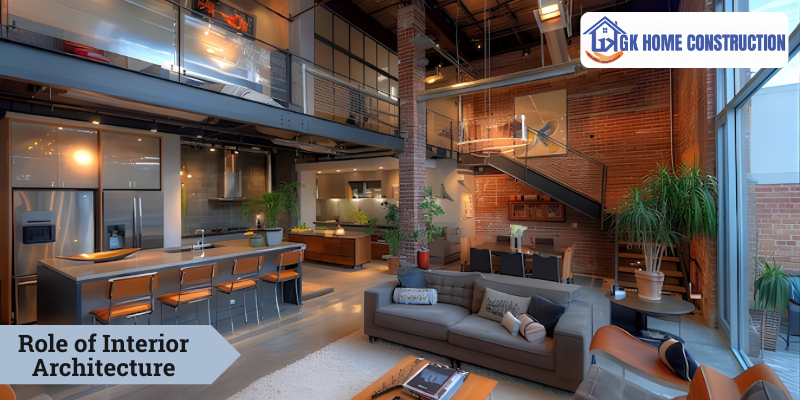
Interior Architecture plays a significant part in contemporary house construction. This is because interior architecture is that aspect that fills the gap between building architecture and interior design. This aspect of house construction is not only aesthetic because interior architecture concentrates not only on space functionality and feels but also enhances the lifestyle of those who will be using space. Today, interior architecture is not a secondary aspect of house building. This is because interior architecture is involved in matters of designing house space and even incorporating modern technology. This is essential to companies that construct houses, as is the case with GK Home Construction, to ensure that not only is the house strong, it is also aesthetic.


Space Planning and Functional Layout Design

Of the modern day, one of the most important roles of interior architecture in home construction is that of efficiently planning space. With increasing costs of land and generally compact plot sizes, especially in urban areas, every square foot must be put to its perfect use. Interior architects analyze how residents traverse spaces, therefore designing the layout for comfort and functionality. Open floor plans, rooms serving multiple functions, and easy transitions between living, dining, and kitchen spaces are results of thoughtful interior architectural planning. Proper zoning of private and public areas ensures privacy while maintaining openness, thus making homes appear larger and more organized.


Structural Coordination & Design Integration

Interior architecture is closely intertwined with structural design. This ensures that there is harmony between function and design. Factors such as the use of columns, beams, staircases, and ceiling heights are incorporated into interior design as part of the overall design instead of being considered as barriers. In contemporary home design, ceilings, wall recesses, and built-ins are placed around these structural features as part of home design with the purpose of retaining both strength and design attractiveness with limited mistakes and changes during home design and construction. This ensures that structural requirements work to enhance interior design instead of detracting from design.

Material Selection and Surface Finishes

Material selection is another key role of interior architecture in modern homes. Interior architects choose materials based on durability, climate suitability, maintenance requirements, and visual harmony. Flooring materials, wall finishes, ceiling treatments, and cabinetry surfaces are selected to enhance both functionality and style. In modern construction, there is a strong preference for sustainable, low-maintenance, and long-lasting materials. Interior architecture ensures that these materials are used efficiently, reducing wastage and improving the overall quality of construction. The right combination of textures and finishes creates balanced interiors that feel modern and timeless.


Lighting Design and Ambiance of Spaces

Lighting is a very important aspect of interior architecture that has a direct impact on the mood as well as functionality of a house. Contemporary domestic architecture incorporates the use of multi-layer lighting that incorporates natural lighting as well as ambient, task, and accent lighting. Interior architects incorporate lighting designs for windows, skylight features, as well as artificial lighting, that optimize lighting levels as well as energy efficiency. In this case, appropriate lighting facilitates the highlighting of features, increased visibility, as well as the promotion of a welcoming atmosphere.


Ergonomics and Human-Centric Design

Modern-day houses are designed keeping in mind the aspects of comfort, security, and usability. Ergonomics has become an important part of the design of interior architecture. While designing spaces, interior architects take into consideration the body measurements of a person and his/her movement patterns. While planning kitchen top heights, stairs, bathrooms, and even furniture arrangements,    architects keep in mind the comfort of the person. Thus, the need is taken care of through interior architecture, which makes a house a place worth living.


Integration of Storage Solutions

Efficient storage is now a major requirement in modern house construction, and interior architecture plays a significant role in integrating storage without causing clutter. Places for built-in wardrobes, modular cabinets, under-stair storages, and concealed shelves are designed in the architectural layout. Instead of adding this later on, it is through interior architecture that storage is integrated into the design of walls, partitions, and furniture pieces. This maintains clean lines and open spaces while meeting the practical needs of storage. Well-designed storage greatly enhances functionality and keeps interiors looking neat and organized.


Technology and Smart Home Integration

Modern interior architecture, with the advent of smart homes, consists of the integration of technology as an integral part of interior design. Electrical designs and routes, sensor positioning, and control systems are planned in interior design. Interior architects are also concerned with the interior design of homes with an integration of smart lighting, security systems, climate control systems, and entertainment systems with interior design in such a way that there are no wires or modifications in the interior design of the homes in the future.


Sustainability and Energy Efficiency

Sustainability has emerged as one of the fundamental guidelines followed while building modern homes, with interior architecture playing an important role in making homes energy efficient. The well-designed orientation, ventilation, and materials used help increase the efficiency of homes by lowering their energy usage. Interior architects design interiors based on proper orientation to allow ample sunlight and ventilation, Thereby minimizing the use of lighting and air conditioning systems. The interiors designed by interior architects are blended with sustainable materials, water-saving fixtures, and thermal insulation to promote sustainable living.


Enriching Aesthetic Identity and Customization

Interior architecture refers to the design identity of the home. This is accomplished while incorporating individual design preferences based on client taste. Modern residential design is characterized by individual lifestyle patterns and design philosophies. Interior architects incorporate individual design preferences and translate them into design themes using colors and space design. These design themes can range from modern and minimalistic to luxury design. Interior architecture achieves uniformity throughout the design.


Conclusion: Interior Architecture as a Foundation of Modern Living

Interior architecture plays a pivotal role in modern home construction in more ways than just aesthetics. It affects the functioning of spaces, how one interacts with their environment, and the efficiency of a home as time goes on. From space planning and material selection to lighting, technology, and sustainability, interior architecture is a core feature within modern residential design. In companies like GK Home Construction, the incorporation of interior architecture since the early stages of construction ensures that the resultant homes will be qualitative, future-ready to make modern living standards possible. Investing in interior architecture sums up into comfortable, efficient, visually appealing, and long-lasting homes.


Contact Details – GK Home Construction
If you are planning to build a home and looking for trusted civil construction contractors in Bangalore, you can reach out to GK Home Construction through the following official channel:

Company Name: GK Home Construction
Website: https://gkhomeconstruction.com/
Email : care@gkhomeconstruction.com
Call us at : +91 9538999535

(For enquiries, consultations, and project discussions, Contact now.)

Enquire Form