The kitchen is one of the most important spaces in any home. It is where meals are prepared, families gather, and daily routines begin. A well-designed kitchen not only improves functionality but also enhances the overall beauty of the house. Among all design elements, tiles play a major role in shaping the appearance, hygiene, and durability of the kitchen. Choosing the right kitchen tile design and layout can transform an ordinary cooking space into a stylish and practical area. From flooring to backsplash and wall tiles, every choice contributes to comfort, cleanliness, and long-term value.
Importance of Choosing the Right Kitchen Tiles
Kitchen tiles are constantly exposed to heat, moisture, oil splashes, and heavy foot traffic. Therefore, selecting high-quality tiles is essential for maintaining hygiene and durability. Good kitchen tiles are easy to clean, resistant to stains, and strong enough to withstand daily wear and tear. Apart from practical benefits, tiles also influence the visual appeal of the kitchen. The right color, pattern, and finish can make the space look larger, brighter, and more inviting. Homeowners should focus on both performance and aesthetics when selecting kitchen tiles.
Popular Materials for Kitchen Tiles
Different tile materials offer different advantages depending on usage and budget. Ceramic tiles are widely used because they are affordable, lightweight, and available in many designs. They are ideal for walls and backsplashes. Porcelain tiles are stronger and more water-resistant, making them suitable for kitchen floors. Vitrified tiles are highly durable and low in maintenance, making them a popular choice for modern homes. Natural stone tiles such as marble, granite, and slate provide a luxurious appearance but require regular sealing and maintenance. Choosing the right material ensures long-lasting performance and visual appeal.
Kitchen Floor Tile Design Ideas
Kitchen flooring should be strong, slip-resistant, and easy to maintain. Matte-finish tiles are often preferred because they provide better grip and reduce the risk of slipping. Large-format tiles are popular in modern kitchens as they reduce grout lines and create a seamless look. Wood-look tiles are a great option for those who love the warmth of wooden flooring but want the durability of tiles. Patterned tiles with geometric or floral designs can add character and create a unique focal point. Neutral shades like beige, grey, and cream remain timeless and suit most interior styles.
Backsplash Tile Design for Stylish Kitchens
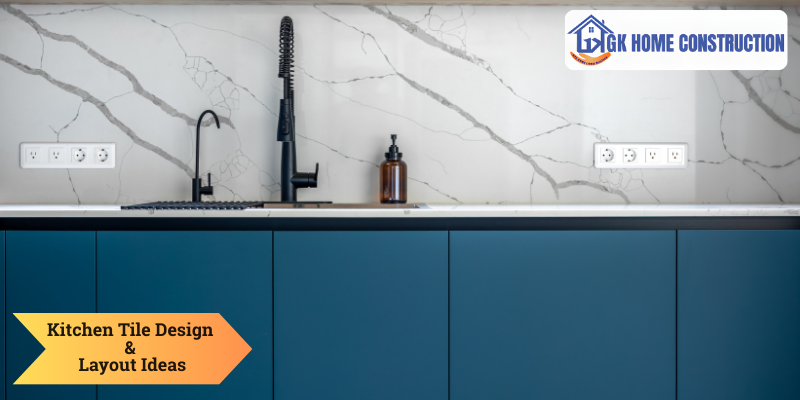
The backsplash area behind the stove and sink plays both a functional and decorative role. It protects walls from oil, water, and stains while enhancing the overall kitchen design. Subway tiles are a classic choice that suits both modern and traditional kitchens. Glass tiles reflect light and make small kitchens appear brighter. Mosaic tiles allow creative patterns and color combinations. Metallic-finish tiles add a contemporary touch and are easy to clean. Choosing a contrasting backsplash can create visual interest, while matching it with countertops ensures a balanced look.
Wall Tile Layout Ideas for Better Visual Appeal
Wall tiles cover a large portion of the kitchen and should be chosen carefully. Full-height wall tiles create a clean and uniform appearance, especially in compact kitchens. Half-wall tiling combined with paint can provide a cost-effective and stylish solution. Vertical tile layouts make ceilings appear higher, while horizontal layouts make the kitchen look wider. Chevron and herringbone patterns add elegance and movement to plain walls. Light-colored wall tiles help reflect natural and artificial light, making the kitchen feel open and fresh.
Color Combinations for Kitchen Tiles
Color selection plays a major role in setting the mood of the kitchen. White and neutral shades create a clean and spacious look and suit minimalist designs. Grey and black tiles offer a modern and sophisticated feel. Warm colors like beige, brown, and cream provide a cozy atmosphere. Bold colors such as blue, green, or yellow can be used for backsplashes or accent walls to add personality. Two-tone combinations, such as light walls with dark floors, create visual balance. It is important to match tile colors with cabinets, countertops, and lighting for a harmonious design.
Modern Kitchen Tile Patterns and Textures
Modern kitchen designs focus on simplicity and texture. 3D tiles add depth and dimension to walls. Marble-effect tiles provide a premium appearance at a lower cost. Cement-look tiles give an industrial and contemporary feel. Terrazzo tiles are gaining popularity for their playful patterns and durability. Textured tiles can be used on feature walls to create visual interest. However, textured surfaces should be easy to clean, especially near cooking areas. Choosing trendy yet practical patterns ensures long-term satisfaction.
Smart Tile Layout Planning for Functional Kitchens
Proper tile layout planning improves both appearance and usability. Straight grid layouts are simple and cost-effective. Diagonal layouts make small kitchens appear larger. Brick-style layouts offer a classic and balanced look. Centered layouts help highlight key areas such as cooking zones and islands. Aligning tiles with cabinets and appliances creates visual harmony. Planning tile placement in advance helps reduce wastage and ensures a neat finish. Professional guidance can help achieve precise alignment and long-lasting results.
Maintenance and Cleaning Tips for Kitchen Tiles
Regular maintenance keeps kitchen tiles looking new for years. Daily wiping helps remove oil and food stains. Mild cleaners should be used to avoid damaging tile surfaces. Grout lines need special attention as they tend to collect dirt and moisture. Sealing grout periodically prevents discoloration and mold growth. Avoid using harsh chemicals or abrasive tools that may scratch tiles. With proper care, kitchen tiles can retain their beauty and strength for a long time.
Budget-Friendly Kitchen Tile Solutions
Designing a beautiful kitchen does not always require a high budget. Ceramic and vitrified tiles offer excellent quality at affordable prices. Choosing standard tile sizes reduces installation costs. Using premium tiles only in key areas such as backsplashes can save money. Mixing simple tiles with decorative accents creates a stylish look without overspending. Planning purchases during seasonal discounts and working with reliable suppliers helps control expenses. A balanced approach ensures quality and affordability.
Why Professional Guidance Matters in Kitchen Tiling
Professional tile installation ensures durability, alignment, and safety. Skilled experts understand surface preparation, waterproofing, and proper fixing techniques. They help select suitable materials based on usage and climate conditions. Proper installation prevents issues such as cracks, water seepage, and uneven surfaces. Working with experienced construction professionals ensures that your kitchen remains functional and attractive for many years.
Conclusion
Kitchen tile design and layout play a vital role in creating a beautiful, hygienic, and efficient cooking space. From selecting durable materials to choosing suitable colors, patterns, and layouts, every decision impacts comfort and long-term performance. Well-planned flooring, stylish backsplashes, and thoughtfully designed wall tiles enhance both functionality and aesthetics. With proper maintenance and professional installation, kitchen tiles can serve as a strong foundation for modern living. By investing in quality tiles and smart design, homeowners can enjoy a kitchen that reflects elegance, practicality, and lasting value.