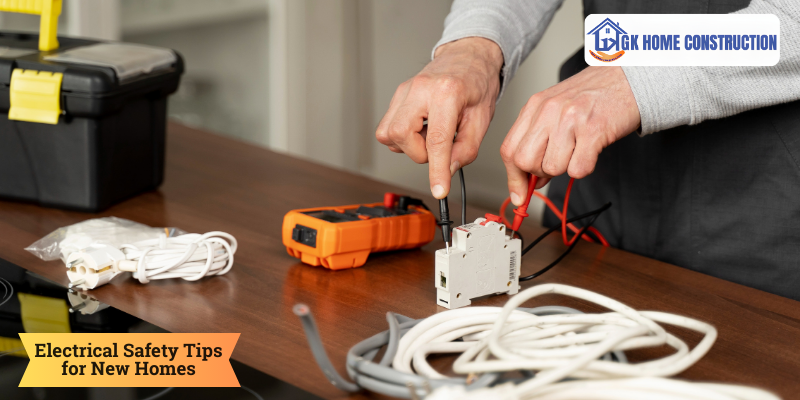
Electrical safety is one of the most important aspects of building a new home, yet it is often overlooked during construction and interior planning. Modern homes depend heavily on electricity for lighting, appliances, security systems, and comfort. Any small mistake in wiring or installation can lead to serious risks such as electric shocks, short circuits, or fire hazards. For homeowners, ensuring proper electrical safety from the beginning helps protect family members, property, and valuable appliances. At GK Home Construction, we believe that safe electrical planning is the foundation of a reliable and long-lasting home. Understanding basic electrical safety principles allows homeowners to make informed decisions and avoid future problems.
Importance of Professional Electrical Planning
Proper electrical safety begins with professional planning before construction starts. Electrical layouts should be designed according to the home’s size, usage needs, and future expansion plans. A qualified electrical engineer or licensed electrician ensures that wiring routes, load distribution, and switch placements are correctly planned. Professional planning prevents overloading, uneven power supply, and unnecessary modifications later. It also ensures compliance with national and local safety regulations. When homeowners rely on expert planning, they reduce the chances of hidden faults that may appear years after construction. Investing in professional electrical design saves money and improves safety in the long run.
Choosing the Right Quality of Wiring Materials
Using high-quality electrical materials is essential for a safe home. Wires, switches, sockets, and distribution boards must meet approved safety standards. Low-quality materials may seem affordable at first, but they deteriorate quickly and increase the risk of short circuits and overheating. Copper wiring with proper insulation is recommended for durability and efficient power transmission. Branded switches and sockets provide better contact and reduce sparking issues. Junction boxes, conduits, and protective covers should also be of standard quality. Selecting certified electrical products ensures long-term safety and minimizes maintenance problems.
Proper Earthing and Grounding System
Earthing, also known as grounding, is one of the most critical safety components in a home’s electrical system. It provides a safe path for excess current to flow into the ground during faults, preventing electric shocks and equipment damage. A properly installed earthing system protects both people and appliances from voltage fluctuations. New homes must have separate earthing connections for main power, inverter systems, and sensitive electronics. Regular testing of earthing resistance ensures that the system remains effective. Without proper grounding, even minor electrical faults can become dangerous.
Installation of Circuit Breakers and Safety Devices
Modern homes should always be equipped with protective devices such as MCBs (Miniature Circuit Breakers), RCCBs (Residual Current Circuit Breakers), and surge protectors. These devices automatically cut off power when they detect overloads, leakage currents, or voltage surges. Circuit breakers prevent overheating and fire hazards caused by excessive current. RCCBs protect residents from electric shocks by detecting leakage. Surge protectors safeguard expensive appliances from sudden voltage spikes. Installing these safety devices in the main distribution board is a smart investment that enhances overall home safety.
Safe Placement of Switches and Electrical Points
The placement of switches, sockets, and outlets plays an important role in electrical safety. They should be installed at convenient heights and away from water sources such as sinks, bathrooms, and balconies. Moisture increases the risk of electric shocks and short circuits. In kitchens and bathrooms, waterproof and shockproof fittings should be used. Outdoor electrical points must be weather-resistant. Child-proof sockets are recommended for homes with young children. Proper placement reduces accidental damage and ensures easy and safe usage for all family members.
Avoiding Overloading and Improper Connections
Overloading occurs when too many appliances are connected to a single socket or circuit. This can cause overheating, insulation damage, and fire risks. Each circuit in a new home should be designed based on expected load requirements. Heavy appliances like air conditioners, water heaters, and ovens should have dedicated circuits. Using multiple extension cords and adapters increases risk and should be avoided. Improper connections, loose wires, and temporary fittings can also lead to sparks and failures. Homeowners should always use proper sockets and avoid makeshift arrangements.
Regular Inspection and Maintenance Practices
Electrical systems require regular inspection to remain safe and efficient. Even in new homes, small issues can develop over time due to temperature changes, moisture, or wear. Annual inspections by qualified electricians help identify loose connections, damaged insulation, and faulty devices. Switchboards should be kept clean and dust-free. Any signs of burning smell, flickering lights, or unusual noises should be addressed immediately. Preventive maintenance ensures that minor problems are fixed before they turn into major hazards.
Safety Tips for Using Electrical Appliances
Safe usage of electrical appliances is equally important as proper installation. Appliances should always be used according to manufacturer instructions. Overheating devices, damaged cords, or loose plugs should never be ignored. Unplugging appliances when not in use saves energy and reduces fire risks. Wet hands should never touch electrical equipment. High-power devices should not be operated through extension cords. Regular cleaning and servicing of appliances improve performance and safety. Educating family members about safe practices helps create a secure living environment.
Fire Safety and Emergency Preparedness
Electrical faults are one of the leading causes of residential fires. Installing smoke detectors and fire extinguishers near electrical areas enhances safety. Homeowners should know how to switch off the main power supply in case of emergencies. Emergency contact numbers of electricians and fire services should be easily accessible. Fire-resistant wiring conduits and proper insulation reduce the spread of flames. Conducting periodic safety drills helps family members respond quickly during accidents. Preparedness can significantly reduce damage and save lives.
Importance of Compliance with Safety Standards
Every new home must follow electrical safety codes and regulations set by authorities. These standards ensure uniform quality and protection. Compliance includes correct wire sizing, proper insulation, approved devices, and certified workmanship. Non-compliance may result in legal issues, insurance problems, and increased risks. Homeowners should request safety certificates after electrical installation. Working with professional construction companies like GK Home Construction ensures that all safety guidelines are followed without compromise.
Role of Smart Technology in Electrical Safety
Modern technology has introduced smart solutions that enhance electrical safety. Smart circuit breakers, energy monitoring systems, and automated shut-off devices help detect problems early. Mobile apps allow homeowners to monitor power usage and identify unusual patterns. Smart home systems can automatically turn off appliances during overloads. These technologies improve convenience while increasing safety. Investing in smart electrical systems is becoming a valuable option for modern homes.
Conclusion: Building a Safe and Reliable Electrical System
Electrical safety is not just a technical requirement but a responsibility toward family and property. A well-planned, properly installed, and regularly maintained electrical system ensures peace of mind for homeowners. From selecting quality materials to installing protective devices and practicing safe usage, every step matters. New homes offer the best opportunity to implement strong safety measures from the start. At GK Home Construction, we prioritize electrical safety as a core part of quality construction. By following these electrical safety tips, homeowners can create a secure, efficient, and long-lasting living environment for generations to come.