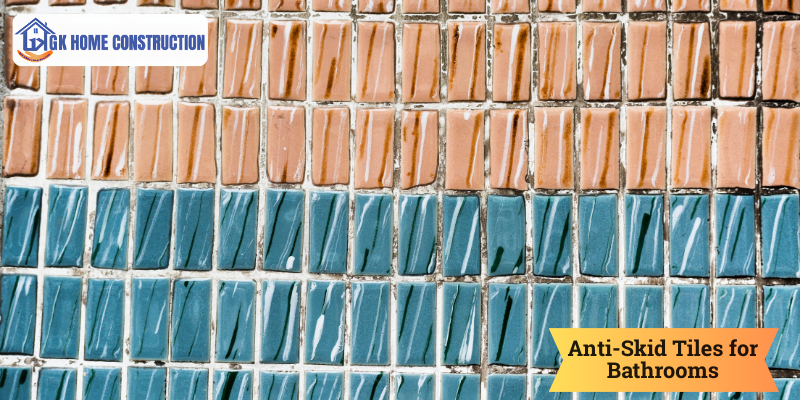
Bathrooms are one of the most frequently used areas in any home, yet they are also among the most accident-prone spaces due to constant exposure to water and moisture. Slippery bathroom floors can lead to serious injuries, especially for children, elderly family members, and individuals with mobility challenges. To overcome this risk, anti-skid tiles have become an essential flooring solution in modern homes. These tiles are specially designed to provide better grip and reduce the chances of slipping. In this complete guide, we will explore everything you need to know about anti-skid tiles for bathrooms, including their benefits, types, selection process, installation tips, and maintenance practices.
What Are Anti-Skid Tiles and How Do They Work
Anti-skid tiles are flooring materials designed with textured surfaces that increase friction between the foot and the tile surface. Unlike glossy tiles that become slippery when wet, anti-skid tiles contain micro-textures, matte finishes, or special coatings that improve grip. These surface treatments help prevent water from forming a smooth layer on the tile, thereby reducing slippage. Some tiles also include abrasive particles that enhance traction without affecting comfort. This combination of design and material technology makes anti-skid tiles ideal for bathroom environments where safety is a priority.
Importance of Using Anti-Skid Tiles in Bathrooms
Installing anti-skid tiles in bathrooms is not just a design choice but a safety necessity. Bathrooms are constantly exposed to water from showers, washbasins, and cleaning activities. When ordinary tiles become wet, they create hazardous conditions. Anti-skid tiles significantly minimize the risk of falls and injuries. In addition to safety, these tiles also contribute to long-term durability by resisting wear caused by moisture. For households with senior citizens, children, or differently-abled members, anti-skid tiles offer peace of mind and promote independent movement without fear of accidents.
Different Types of Anti-Skid Tiles for Bathrooms
Anti-skid tiles are available in various materials, each offering unique features and advantages. Ceramic anti-skid tiles are widely used due to their affordability, ease of maintenance, and design versatility. Porcelain anti-skid tiles are denser and more durable, making them suitable for heavy-usage bathrooms. Vitrified anti-skid tiles are known for their low water absorption and long-lasting performance. Natural stone tiles such as slate and textured granite also provide excellent slip resistance, though they require proper sealing and maintenance. Mosaic anti-skid tiles, made from small textured pieces, are ideal for shower areas where maximum grip is needed.
Key Factors to Consider When Choosing Anti-Skid Tiles
Selecting the right anti-skid tiles requires careful evaluation of multiple factors. The slip resistance rating, commonly measured by R-value or COF (Coefficient of Friction), indicates how safe the tile surface is when wet. Higher ratings offer better grip. Tile size is another important aspect, as smaller tiles create more grout lines that enhance traction. Surface finish should preferably be matte or textured rather than glossy. Color and design must complement the bathroom’s interior theme while also hiding water stains and soap marks. Additionally, water absorption rate, thickness, and brand reputation should be considered for long-term reliability.
Design and Aesthetic Options for Anti-Skid Tiles
Modern anti-skid tiles are available in a wide range of styles, colors, and patterns, allowing homeowners to balance safety with visual appeal. Wood-finish anti-skid tiles provide a warm and natural look without compromising grip. Stone-effect tiles add elegance and luxury to bathroom spaces. Minimalist concrete-finish tiles are popular in contemporary interiors. Patterned and mosaic tiles create visual interest in shower zones and accent areas. With advanced manufacturing techniques, anti-skid tiles now offer realistic textures and finishes that enhance overall bathroom aesthetics.
Installation Process and Best Practices
Proper installation plays a crucial role in maximizing the performance of anti-skid tiles. Before installation, the bathroom floor must be cleaned, leveled, and waterproofed. A high-quality tile adhesive suitable for wet areas should be used to ensure strong bonding. Proper slope must be maintained to facilitate water drainage and prevent stagnation. Grouting should be done carefully using waterproof and anti-fungal grout to avoid moisture penetration. Professional installation is highly recommended, as incorrect placement can reduce slip resistance and cause long-term maintenance issues.
Maintenance and Cleaning of Anti-Skid Bathroom Tiles
Maintaining anti-skid tiles is essential to preserve their grip and appearance. Regular cleaning prevents the accumulation of soap residue, hard water stains, and mold, which can reduce surface friction. Mild detergents and soft brushes are ideal for daily cleaning. Harsh chemicals and abrasive tools should be avoided, as they may damage the tile surface. Periodic deep cleaning helps restore texture and hygiene. For natural stone tiles, resealing is necessary at regular intervals to maintain slip resistance and prevent water absorption.
Cost Factors and Budget Planning
The cost of anti-skid tiles varies depending on material, brand, design, and size. Ceramic tiles are generally budget-friendly, while porcelain and vitrified tiles fall in the mid-range category. Natural stone tiles are comparatively expensive due to their premium appearance and maintenance requirements. Installation charges, waterproofing costs, and grout materials should also be included in budget planning. Investing in high-quality anti-skid tiles may have a higher initial cost, but it provides long-term safety, durability, and reduced repair expenses.
Common Mistakes to Avoid When Selecting Anti-Skid Tiles
One common mistake homeowners make is choosing tiles based solely on appearance without considering slip resistance ratings. Another error is selecting overly rough tiles that are uncomfortable for barefoot use. Ignoring proper drainage slope during installation can also lead to water stagnation and mold growth. Using low-quality adhesives and grout compromises tile performance. Additionally, neglecting regular maintenance reduces the effectiveness of anti-skid surfaces over time. Avoiding these mistakes ensures better safety and durability.
Why Choose GK Home Construction for Bathroom Flooring Solutions
GK Home Construction specializes in providing high-quality bathroom flooring solutions that combine safety, durability, and aesthetics. With experienced professionals, premium materials, and advanced installation techniques, we ensure that every project meets the highest standards. Our team carefully evaluates customer requirements and recommends suitable anti-skid tiles based on usage, budget, and design preferences. We also offer complete waterproofing and maintenance support, making us a reliable partner for modern home construction and renovation projects.
Conclusion
Anti-skid tiles are an essential component of safe and functional bathroom design. They minimize the risk of accidents while enhancing the overall appearance of the space. By choosing the right material, surface finish, and installation method, homeowners can enjoy long-lasting performance and comfort. Regular maintenance further ensures sustained grip and hygiene. Whether you are constructing a new home or renovating an existing bathroom, investing in high-quality anti-skid tiles is a smart and responsible decision. With expert guidance from GK Home Construction, you can create a bathroom that is both stylish and secure for your family.