Waterproofing vs Damp Proofing: Key Differences
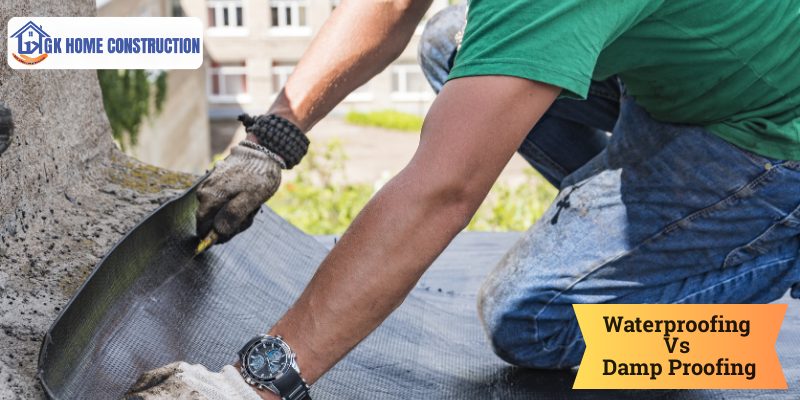
Waterproofing and damp proofing are both construction methods used to control moisture in buildings, but they provide different levels of protection. Understanding the difference between waterproofing and damp proofing is important when planning new construction, renovation, or building maintenance. The right solution depends on the source of moisture, the level of water exposure, the location, and the performance required from the building.
What Is Waterproofing?

Waterproofing is a construction treatment designed to prevent water from entering or passing through building components. It is commonly used in areas exposed to rainwater, standing water, or moisture, such as roofs, terraces, basements, bathrooms, balconies, foundations, water tanks, and wet areas.
Depending on the application, waterproofing systems may use cementitious coatings, liquid-applied membranes, bituminous membranes, polyurethane coatings, crystalline systems, or other specialized materials. When correctly selected and installed, these systems create a protective barrier that helps reduce water ingress and moisture-related deterioration.
What Is Damp Proofing?

Damp proofing is primarily intended to control moisture rather than resist active water penetration. It is commonly used to limit the movement of moisture through walls, floors, and foundations, particularly where ground moisture can rise through capillary action.
Typical damp-proofing measures include a damp-proof course (DPC), bitumen-based coatings, membranes, and other moisture-resistant barriers. Damp proofing can be useful in controlling minor dampness, but it is not generally intended to withstand significant hydrostatic pressure or continuous water exposure.
Key Difference in Water Protection

The main difference between waterproofing and damp proofing is their intended level of water resistance. Waterproofing is designed for locations where water may come into direct contact with the structure or where leakage and water pressure are concerns. Damp proofing primarily limits moisture movement and is better suited to lower levels of exposure.
For example, a basement affected by groundwater pressure may require a waterproofing system, while a wall that needs protection from ground moisture may use an appropriate damp-proof barrier.
Difference in Materials and Application
Waterproofing systems can involve multiple materials and application techniques depending on the building component. Liquid membranes, polyurethane, cementitious coatings, bituminous membranes, and crystalline products may be selected based on site conditions.
Damp proofing generally uses simpler moisture-resistant barriers or coatings. Installation may be less complex, but correct detailing is still important. Surface preparation, joints, corners, drainage, and compatibility with the substrate can affect the performance of either system.
Durability and Maintenance
A properly designed waterproofing system can provide long-term protection when suitable materials are selected and installation is carried out correctly. Regular inspections are still recommended, particularly for exposed areas such as terraces and roofs.
Damp-proofing systems can also provide long-lasting moisture control, but their suitability depends heavily on the environment. If a structure begins experiencing active leakage, standing water, or hydrostatic pressure, damp proofing alone may not be sufficient.
Where Should Each Method Be Used?
Waterproofing is commonly considered for:
- Roofs and terraces
- Basements and foundations
- Bathrooms and wet areas
- Balconies
- Water tanks
- Retaining walls
Areas exposed to significant water ingress
Damp proofing is commonly associated with:
Ground-level walls
Floors affected by ground moisture
Plinth-level moisture control
Damp-proof courses in walls
Areas with relatively low moisture exposure
Choosing the Right Moisture Protection
The choice between waterproofing and damp proofing should be based on the actual source and severity of moisture. Using damp proofing where active water penetration is present may not provide adequate protection. Similarly, selecting a waterproofing system without understanding the substrate, drainage conditions, joints, and water source can lead to premature failure.
For construction and renovation projects, a proper site assessment should be carried out before selecting the system. The right material, application method, surface preparation, drainage arrangement, and detailing all contribute to long-term performance.
Conclusion
Waterproofing and damp proofing serve different purposes in building construction. Waterproofing is intended to provide stronger protection against water ingress, while damp proofing primarily controls moisture movement. Understanding these key differences helps property owners and construction professionals select an appropriate solution for each part of a building. Proper diagnosis, suitable materials, professional installation, and regular maintenance are essential for achieving effective moisture protection.