Waterproofing Durability and Lifespan: Signs, Maintenance & Expert Tips
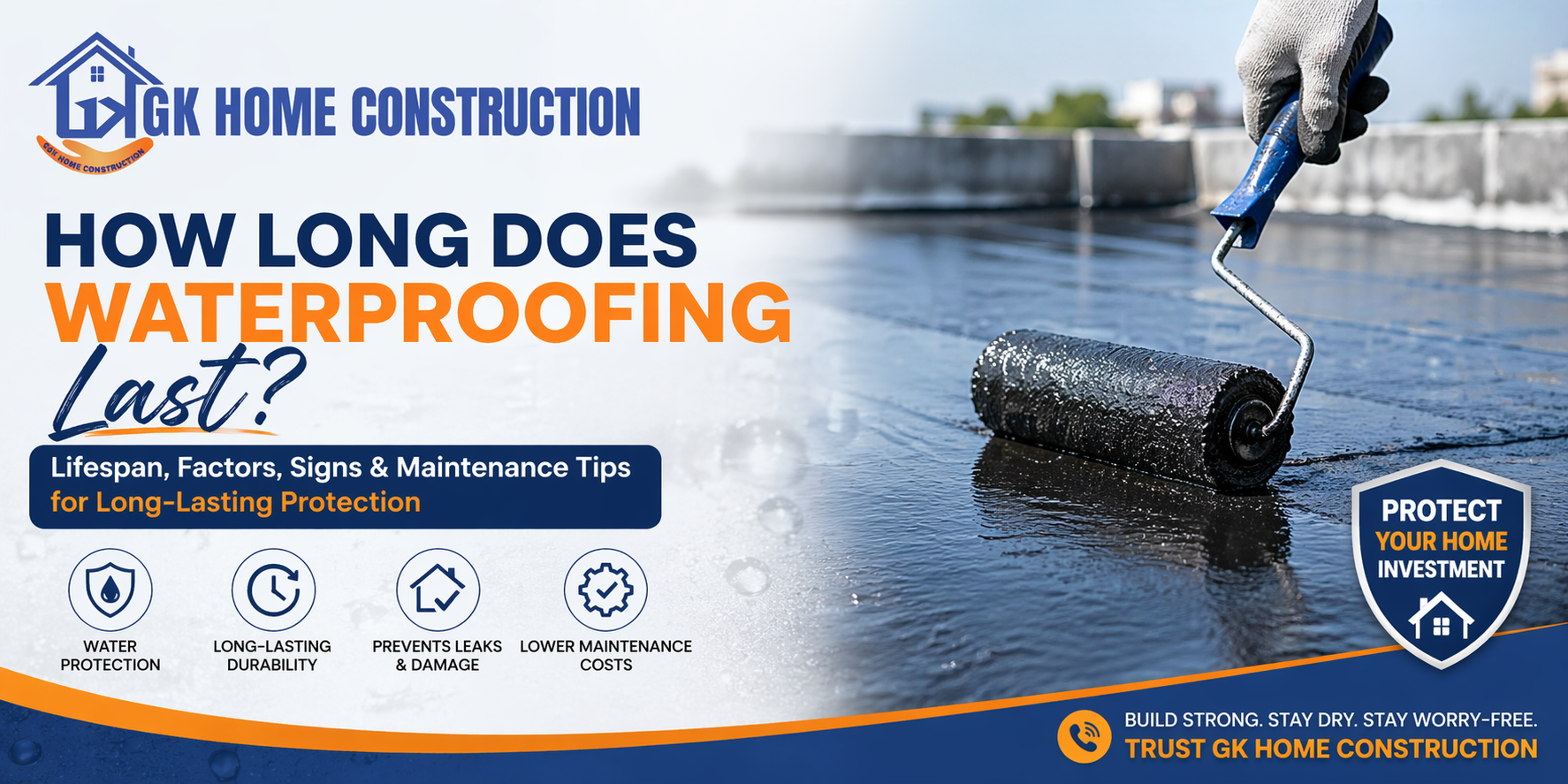
Waterproofing is one of the most important protective systems in a building. It helps prevent rainwater, moisture, and seepage from damaging roofs, terraces, bathrooms, basements, foundations, and exterior walls. However, waterproofing does not last forever. Its service life depends on the material, installation quality, weather exposure, drainage, surface condition, and regular maintenance.
Understanding the waterproofing lifespan, signs of failure, and maintenance requirements can help homeowners identify problems early and avoid expensive structural and interior repairs.
How Long Does Waterproofing Last?
No lifespan applies to every waterproofing system. A properly selected and professionally installed system can protect for many years, while poor surface preparation or incorrect application can cause premature failure.
Typical service-life expectations vary depending on the application and product:
- Cementitious waterproofing: commonly used for bathrooms, tanks, and concrete surfaces; durability depends heavily on substrate movement and application quality.
- Liquid-applied waterproofing: can provide long-term protection when the coating is correctly applied and maintained.
- Polyurethane waterproofing: flexible systems can perform well where minor movement and weather exposure are concerns.
- Bituminous membrane waterproofing: commonly used for terraces and roofs and can offer substantial durability when properly installed and protected.
- Crack and joint sealants: generally require more frequent inspection and replacement than the main waterproofing layer.
Factors That Affect Waterproofing Durability
Several factors determine how long a waterproofing system remains effective.
1. Quality of Surface Preparation
The waterproofing layer needs a clean, sound, and properly prepared surface. Dust, loose concrete, oil, algae, and weak coatings can prevent proper adhesion.
2. Correct Application
Incorrect mixing ratios, insufficient coating thickness, inadequate curing, or poor membrane overlaps can reduce performance.
3. Roof and Terrace Drainage
Waterproofing works best when rainwater drains quickly. Poor terrace slope and standing water can increase stress on the waterproofing system and contribute to premature deterioration.
4. Weather Exposure
UV radiation, high temperatures, heavy rainfall, and repeated temperature changes can gradually affect exposed waterproofing systems.
5. Building Movement
Concrete can develop cracks because of shrinkage, thermal movement, and structural movement.
6. Maintenance
Even a high-quality waterproofing system requires periodic inspection. Damaged sealants, Small cracks, and blocked drains should also be checked before they become major leakage problems.
Signs That Waterproofing Is Failing
Homeowners should not wait for significant water damage before inspecting waterproofing. Common warning signs include:
- Water stains on ceilings
- Damp patches on walls
- Peeling or bubbling paint
- Mould or fungal growth
- Cracks with moisture marks
- Water dripping after rainfall.
- Efflorescence or white salt deposits
- Persistent dampness in bathrooms
- Water pooling on terraces.
- Damaged or peeling waterproofing coatings
Does a Roof Leak Mean Complete Waterproofing Replacement?
Not always. The correct repair depends on the cause and extent of the problem.
A localized crack, damaged pipe penetration, or failed joint may require only targeted repair. However, if the existing waterproofing layer has widespread deterioration, poor adhesion, or multiple leakage points, a complete waterproofing system may be more appropriate.
Before deciding, inspect the existing surface, drainage system, cracks, joints, and previous waterproofing layers.
How to Extend Waterproofing Lifespan
Regular maintenance can significantly improve the service life of waterproofing.
Keep Drainage Outlets Clear
Regularly remove leaves, dirt, and debris from terrace rainwater outlets. Blocked outlets can cause water to accumulate on the roof.
Inspect Before the Monsoon
Before heavy rains begin, check the terrace for cracks, damaged coatings, open joints, and standing water.
Repair Cracks Early
Using a suitable repair system, small cracks should be checked and treated. Simply covering them with paint will not provide reliable waterproofing.
Protect the Waterproofing Layer
Avoid unnecessary drilling, cutting, or construction work over waterproofed surfaces. If new installations are required, penetrations should be properly detailed and sealed.
Monitor Plumbing Areas
Bathrooms, kitchens, and terraces often contain pipe penetrations that can become leakage points. Check around plumbing fixtures, drainage pipes, and joints for signs of moisture.
Waterproofing Maintenance Checklist
Homeowners can use this simple checklist during regular inspections:
✓ Check terrace cracks
✓ Clean rainwater outlets
✓ Look for water stagnation
✓ Inspect parapet-wall junctions
✓ Check plumbing penetrations
✓ Examine old waterproofing coatings
✓ Look for damp ceiling patches
✓ Inspect bathroom corners and joints
✓ Repair minor defects promptly
✓ Schedule professional inspection when leakage returns
When Should You Call a Waterproofing Professional?
Professional inspection is recommended when leakage repeatedly occurs, when dampness spreads to multiple areas, or when the existing waterproofing system has reached the end of its useful service life.
A professional can identify the source of moisture, assess the existing waterproofing, check drainage, and recommend a suitable repair or replacement system. Applying another coating without identifying the underlying cause may only provide a temporary solution.
Conclusion
The durability and lifespan of waterproofing depend on much more than the waterproofing material itself. Proper surface preparation, correct application, effective drainage, suitable detailing, and regular maintenance all contribute to long-term performance.
For homeowners, the best strategy is simple: inspect regularly, keep drainage clear, repair defects early, and address recurring leaks at their source. A timely waterproofing inspection can prevent moisture damage, protect interiors, and reduce the cost of major repairs.
For properties in Bangalore, seasonal rainfall makes terrace, roof, bathroom, and exterior-wall waterproofing particularly important. Choosing the right waterproofing system for the specific location and maintaining it properly can help provide reliable long-term protection for your home.