Simple Rooftop Garden Ideas for Bengaluru Homes
A rooftop garden is a wonderful way to transform an unused terrace into a beautiful, relaxing, and functional outdoor space. In a growing city like Bengaluru, where outdoor space can be limited, the rooftop can become an extension of your home. Whether you want a peaceful garden, a vegetable-growing area, a family seating space, or a combination of everything, thoughtful planning can make your terrace both attractive and practical.
However, designing a rooftop garden is not only about selecting plants and furniture. The roof structure, waterproofing, drainage, sunlight, wind exposure, and maintenance requirements should all be considered before construction begins. With the right approach, homeowners can create a low-cost, simple rooftop garden that adds value and usability to their property.
1. Create a Zen Rooftop Garden
A Zen-inspired rooftop garden is perfect for homeowners looking for a peaceful place to relax after a busy day. The design focuses on simplicity, natural materials, greenery, and uncluttered spaces.
Use low-height seating, floor cushions, a simple wooden bench, or a compact outdoor chair. Neutral colours such as white, grey, beige, and natural wood can create a calm atmosphere.
For greenery, consider potted bamboo, ornamental grasses, palms, or a small tree in suitable containers. Avoid overcrowding the terrace with too many large pots.
Before installing heavy planters, check whether the existing roof can safely support the additional load. Soil, water, pots, furniture, and people can collectively create significant weight. A structural professional can assess the roof before major modifications are made.
2. Design a Rustic Eco-Lounge
If you are looking for a budget-friendly rooftop garden idea, a rustic eco-lounge can be an excellent choice. This style combines recycled materials, natural textures, and simple greenery.
Wooden pallets can be converted into seating or a small deck, while old crates, buckets, containers, and suitable recycled materials can become planters. Solar lanterns and outdoor string lights can add warmth without requiring complicated electrical installations.
When using recycled containers, make sure they are strong enough for outdoor use and have proper drainage holes. Standing water can damage plants and contribute to moisture problems.
Bengaluru can also experience strong winds and heavy rainfall during certain periods. Therefore, lightweight furniture, planters, decorative items, and lighting should be properly secured.
3. Add a Vertical Garden
Vertical gardens are especially useful for small rooftop terraces. Instead of occupying valuable floor space, plants can be arranged vertically against a suitable wall or support system.
Homeowners can use modular vertical garden panels, trellises, hanging planters, or purpose-designed planting systems. Lightweight plants such as herbs, flowering plants, and selected succulents can work well depending on sunlight and maintenance requirements.
The wall and fixing system should be checked before installation. A vertical garden can become considerably heavier after watering, so the supporting structure must be appropriate.
Drainage is another important consideration. Water should not continuously run down the wall or collect around the base of the structure. Proper waterproofing and controlled drainage can help protect the building.
4. Build a Raised Bed Vegetable Garden
For homeowners who want a productive rooftop, raised garden beds can provide an organized space for growing vegetables, herbs, and other plants.
Raised beds can be constructed using suitable outdoor-grade materials and filled with an appropriate growing medium. Depending on the available sunlight, homeowners may grow plants such as herbs, leafy vegetables, chillies, tomatoes, and other terrace-friendly varieties.
The biggest consideration is weight. Wet soil is significantly heavier than dry soil, and several large raised beds can place substantial loads on a roof.
For this reason, the roof should be assessed before installing permanent raised beds. The size, location, depth, and materials of the beds should be planned according to the roof’s structural capacity.
Drainage should also be carefully designed. Excess water must be able to leave the growing area without creating waterlogging or affecting the roof below.
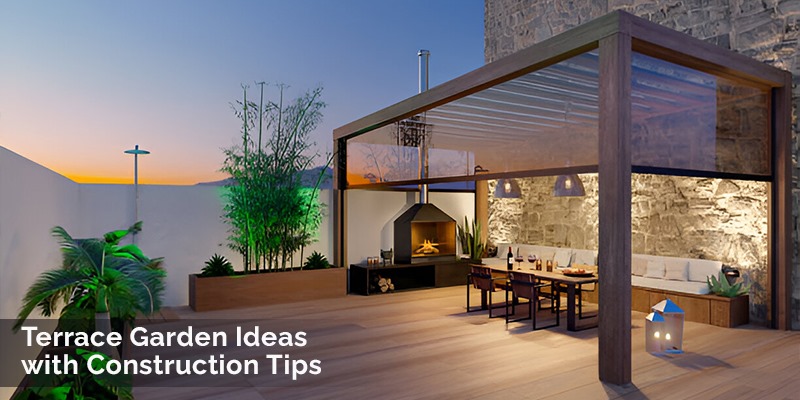
5. Create a Multi-Functional Rooftop Terrace
A rooftop does not have to be used exclusively as a garden. You can combine gardening with dining, relaxation, entertainment, and family activities.
Divide the terrace into functional zones. One area can contain a small dining table, another can have comfortable seating, and another can be dedicated to plants.
Using different flooring materials, outdoor rugs, planters, or furniture arrangements can visually separate these areas without constructing unnecessary walls.
Built-in benches, pergolas, decks, and other permanent structures can enhance the appearance of the terrace. However, these additions should be properly planned and constructed so they do not compromise the roof or create drainage problems.
Importance of Rooftop Waterproofing
Waterproofing is one of the most important aspects of rooftop garden construction. Regular irrigation, rainwater, and moisture from plant containers can increase the risk of water penetration if the roof is not adequately protected.
Before installing a rooftop garden, inspect the existing waterproofing system for cracks, damaged areas, leakage, or weak points. Depending on the roof condition and design, suitable waterproofing systems can be considered.
The waterproofing layer should also be protected from damage caused by furniture, planters, garden structures, or maintenance activities. Proper detailing around drainage outlets, corners, and joints is particularly important.
A professional construction team can evaluate the terrace and recommend an appropriate waterproofing approach before the garden is installed.
Plan Proper Rooftop Drainage
Good drainage is essential for every rooftop garden. Bengaluru receives significant seasonal rainfall, making effective rainwater management particularly important.
The terrace should have adequate slopes that direct water toward designated drainage outlets. Planters and raised beds should also have drainage provisions to prevent excess water from remaining around plant roots.
Drainage outlets should remain accessible for regular cleaning and maintenance. Leaves, soil, and other debris should not be allowed to block them.
A well-planned drainage system helps protect both the garden and the building structure.
Choose Plants According to Sunlight
Plant selection should be based on the amount of sunlight available on your terrace. Some plants require several hours of direct sunlight, while others perform better in partial shade.
Observe the rooftop throughout the day before purchasing plants. Consider wind exposure, temperature, available space, watering requirements, and maintenance time.
Using a combination of flowering plants, herbs, shrubs, and suitable ornamental plants can create visual variety without making the terrace difficult to maintain.
Consider Wind and Safety
Rooftops are more exposed to wind than ground-level gardens. Loose planters, lightweight furniture, umbrellas, decorative items, and temporary structures can become safety concerns during strong winds.
Use stable containers and secure outdoor furniture appropriately. Avoid placing unstable objects near parapet walls.
If installing railings, pergolas, screens, or other permanent features, they should be designed and installed properly. Safety should always be considered alongside appearance.
Keep the Garden Easy to Maintain
A beautiful rooftop garden should also be practical to maintain. Before designing the garden, think about how often you can water plants, remove leaves, prune greenery, clean the terrace, and inspect drainage outlets.
Grouping plants according to their watering requirements can make maintenance easier. Automated or drip irrigation can also be considered for larger gardens.
Leave sufficient walking space around planters so that maintenance and cleaning can be carried out conveniently.
Why Professional Planning Matters
Creating a rooftop garden involves more than landscaping. Structural capacity, waterproofing, drainage, electrical safety, flooring, and permanent construction features all need careful consideration.
For homeowners planning a new home or renovating an existing terrace, professional construction guidance can help integrate these requirements into the design from the beginning. GK Home Construction can assist homeowners with construction planning, structural considerations, waterproofing, and rooftop development based on the project’s requirements.
Conclusion
A rooftop garden can turn an unused terrace into a peaceful retreat, productive vegetable garden, family entertainment area, or stylish outdoor living space. Zen gardens, rustic eco-lounges, vertical gardens, raised beds, and multi-functional terraces are practical options for Bengaluru homes.
The key to a successful rooftop garden is balancing design with structural safety, waterproofing, drainage, plant selection, and maintenance. With proper planning and professional construction support, homeowners can create a rooftop space that is attractive, functional, durable, and suitable for Bengaluru’s climate.