


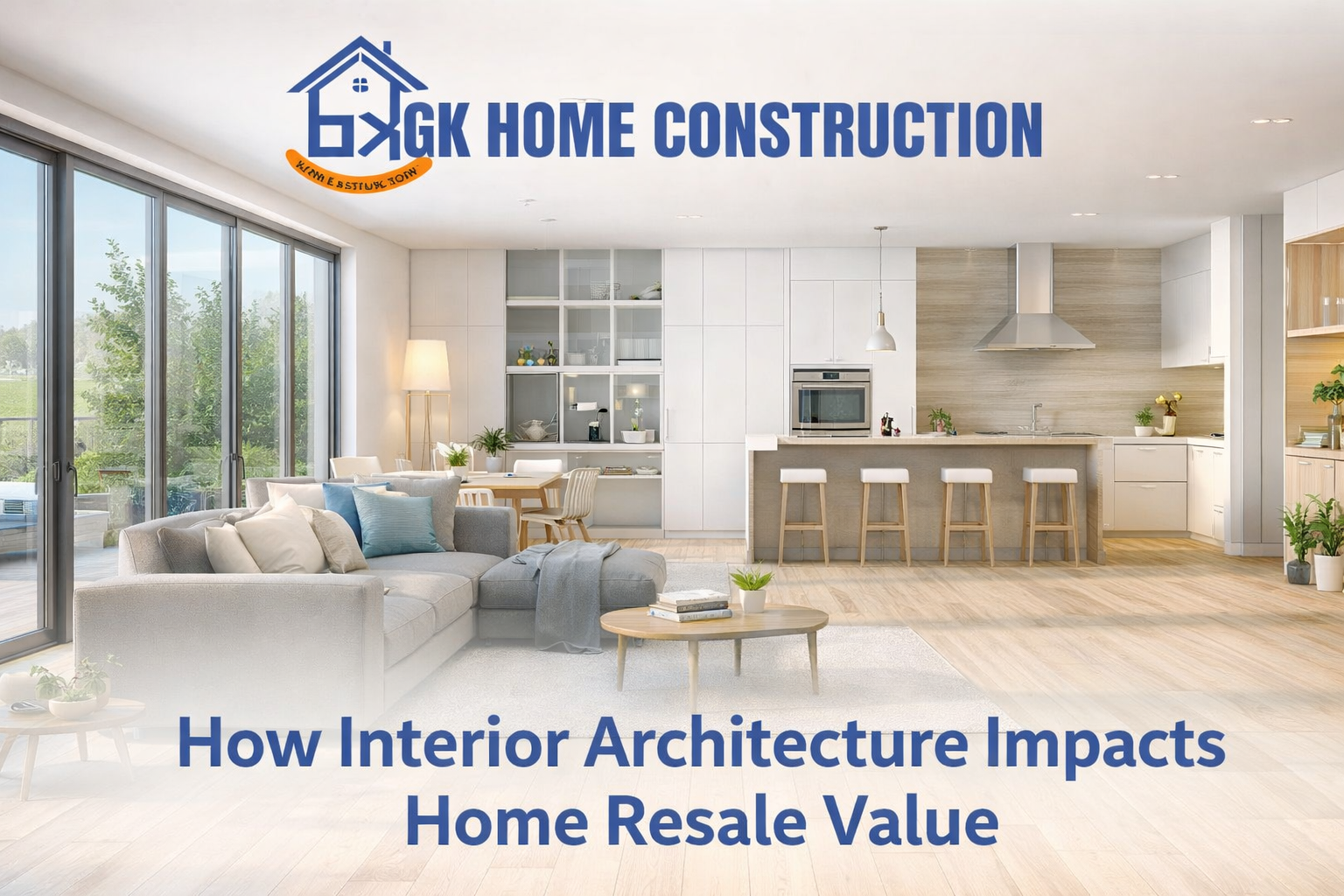
When homeowners think about increasing the value of their property, they often focus on exterior upgrades, fresh paint, or landscaping. However, one of the most powerful yet sometimes overlooked factors influencing property value is interior architecture. Interior architecture goes beyond simple decoration; it focuses on the structural design, functionality, and spatial planning inside a home. Elements such as layout, natural lighting, material selection, and space optimization play a crucial role in shaping buyer perception. A well-planned interior architecture not only improves daily living but can also significantly increase a home’s resale value when it enters the real estate market.
Interior architecture focuses on how spaces within a home are designed, connected, and utilized. It combines architectural design with interior functionality to create efficient and aesthetically pleasing living environments. Buyers today are increasingly looking for homes that feel open, practical, and modern. Properties that feature thoughtful interior architecture tend to stand out in the market because they offer a balance between beauty and usability. When potential buyers walk into a house with well-designed interiors, they can immediately visualize living comfortably in that space, which positively influences their purchasing decision.
Functional Layout Improves Buyer Appeal

One of the most important aspects of interior architecture is the layout of a home. A functional layout ensures that every space within the property serves a purpose and flows naturally from one area to another. Modern buyers often prefer open floor plans where living rooms, dining areas, and kitchens connect seamlessly. This type of layout creates a sense of spaciousness and improves social interaction within the home.
In contrast, homes with poorly designed layouts—such as narrow corridors, isolated rooms, or unused spaces—may feel cramped and outdated. Interior architecture can solve these problems by reorganizing space, removing unnecessary partitions, and improving movement within the home. When buyers experience a home that feels open and well-organized, they often perceive it as more valuable, even if the square footage remains the same.