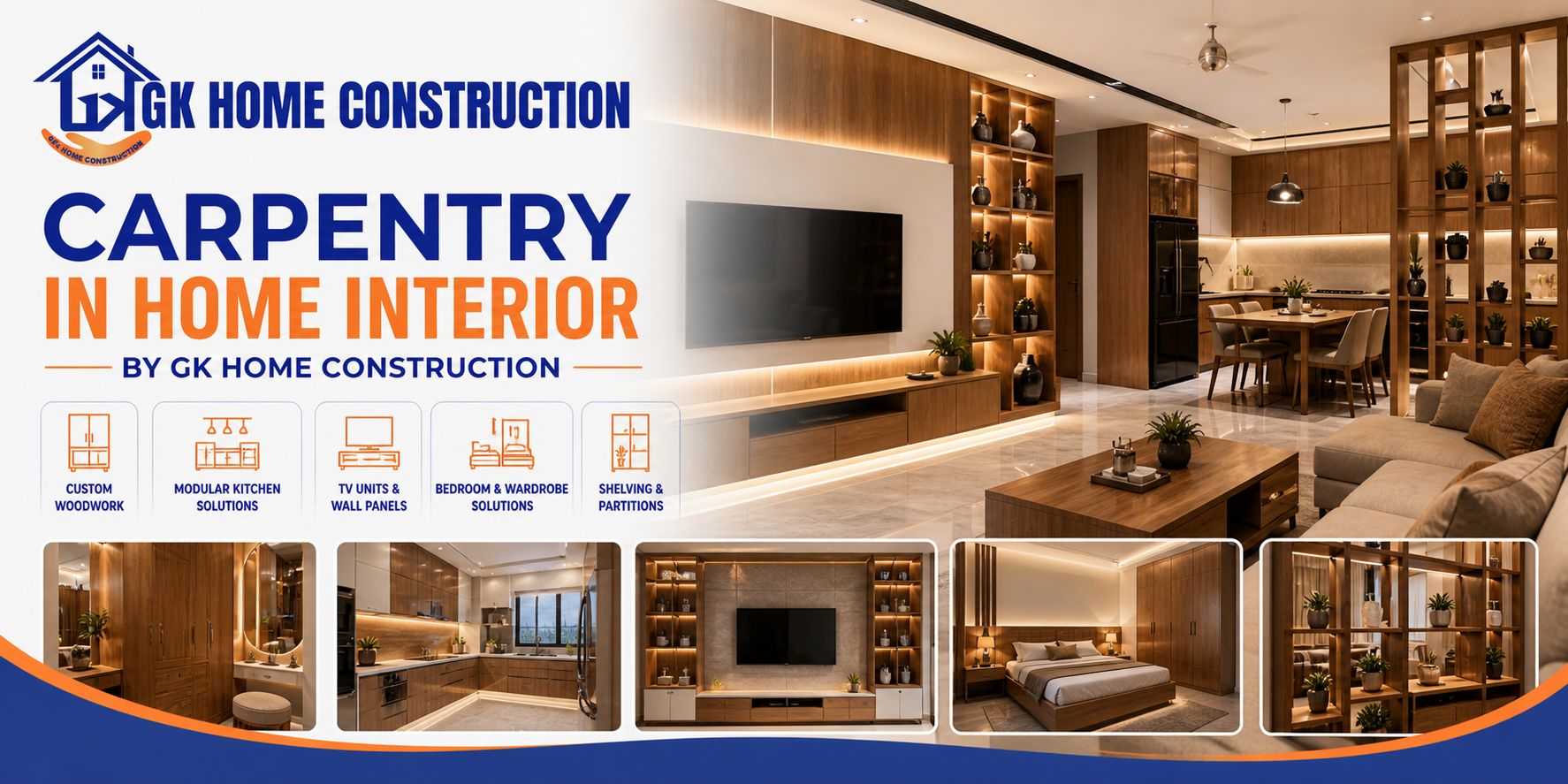
The Role of Carpentry in Home Interiors
Carpentry plays a foundational role in shaping the functionality, aesthetics, and durability of modern home interiors. While often perceived as a purely structural trade, carpentry today extends far beyond basic woodwork. It is an essential element that defines how a space looks, feels, and functions on a daily basis. From custom furniture and modular storage solutions to intricate detailing and finishing touches, carpentry influences every corner of a home. For homeowners seeking both beauty and practicality, investing in quality carpentry work is not just an option—it is a necessity.
At its core, carpentry is about transforming raw materials into purposeful and visually appealing elements within a home. Skilled carpenters bring technical expertise, design understanding, and precision to create pieces that align with the homeowner’s lifestyle. Whether it’s a compact urban apartment or a spacious villa, carpentry ensures that every inch of space is utilized efficiently. This becomes particularly important in modern interiors where space optimization and customization are key priorities.
Enhancing Functionality Through Smart Design
One of the most important roles of carpentry in home interiors is enhancing functionality. Well-designed carpentry solutions make everyday living more convenient and organized. For example, custom wardrobes, kitchen cabinets, and storage units are designed based on the specific needs of the household. Unlike mass-produced furniture, custom carpentry allows homeowners to maximize storage while maintaining a clean and clutter-free environment.
In kitchens, carpentry plays a vital role in creating modular layouts that improve workflow and accessibility. Cabinets, drawers, and shelves are strategically designed to store utensils, appliances, and groceries efficiently. Similarly, in bedrooms, wardrobes are crafted with a combination of hanging spaces, drawers, and compartments to accommodate different storage requirements. This level of customization ensures that every element serves a purpose while enhancing the overall usability of the space.
Aesthetic Appeal and Interior Styling
Beyond functionality, carpentry significantly contributes to the aesthetic appeal of home interiors. Wood has a timeless charm that adds warmth, elegance, and character to any space. Whether it’s a sleek modern finish or a classic traditional design, carpentry can be tailored to match the desired interior theme. From decorative wall panels and false ceilings to handcrafted furniture and wooden flooring, carpentry elements create a cohesive and visually pleasing environment.
The choice of materials, finishes, and textures plays a crucial role in defining the look of a space. For instance, polished wood surfaces offer a luxurious feel, while matte finishes provide a subtle and contemporary appearance. Skilled carpenters understand how to blend different materials and finishes to achieve the desired effect. This attention to detail ensures that the interiors not only look beautiful but also reflect the personality and preferences of the home owner.
Space Optimization and Customization
In today’s urban living scenarios, space optimization has become a major concern. Carpentry provides innovative solutions to make the most of limited space without compromising on comfort or style. Custom-built furniture and storage units are designed to fit perfectly into available spaces, eliminating wastage and improving efficiency. For example, under-stair storage, wall-mounted shelves, and multi-functional furniture are excellent examples of how carpentry can transform unused areas into practical spaces.
Customization is another key advantage of carpentry in home interiors. Every home is unique, and so are the needs of its occupants. Carpentry allows for complete personalization, enabling homeowners to choose designs, dimensions, materials, and finishes that suit their requirements. This level of flexibility ensures that the interiors are not only functional but also tailored to individual lifestyles.
Durability and Long-Term Value
Quality carpentry work adds durability and long-term value to a home. Unlike factory-made furniture, custom carpentry is built with precision and attention to detail, using high-quality materials that ensure longevity. Properly crafted wooden elements can withstand daily wear and tear, making them a reliable investment for homeowners.
Additionally, carpentry contributes to the structural integrity of certain interior elements. Doors, windows, frames, and partitions must be constructed with accuracy to ensure stability and safety. Professional carpentry services focus on both strength and finish, ensuring that every element is built to last. This not only reduces maintenance costs but also enhances the overall value of the property.
Integration with Modern Interior Trends
Carpentry has evolved significantly to align with modern interior design trends. Today, it seamlessly integrates with other elements such as lighting, electrical systems, and smart home technologies. For instance, false ceilings with concealed lighting, TV units with hidden wiring, and modular furniture with built-in charging points are all examples of how carpentry adapts to contemporary needs.
Minimalist designs, clean lines, and space-saving concepts are increasingly popular in modern homes. Carpentry plays a crucial role in achieving these designs by creating sleek and functional elements that blend seamlessly with the overall decor. The ability to combine traditional craftsmanship with modern innovation makes carpentry an indispensable part of interior design.
Sustainability and Eco-Friendly Practices
With growing awareness about environmental sustainability, carpentry is also moving towards eco-friendly practices. Many homeowners now prefer sustainable materials such as engineered wood, reclaimed timber, and low-emission finishes. Skilled carpenters are adopting techniques that minimize waste and promote responsible use of resources.
Sustainable carpentry not only benefits the environment but also enhances indoor air quality and overall well-being. Choosing eco-friendly materials and finishes ensures that the home remains safe and healthy for its occupants. This shift towards sustainability reflects the evolving role of carpentry in modern home interiors.
The Importance of Skilled Craftsmanship
The quality of carpentry work largely depends on the skill and experience of the craftsmen. Precision, attention to detail, and a deep understanding of materials are essential for achieving the desired results. Professional carpenters bring expertise that ensures every element is crafted to perfection, from measurement and cutting to assembly and finishing.
Working with experienced professionals also ensures that the project is completed efficiently and within budget. They can provide valuable insights, suggest design improvements, and address potential challenges before they become issues. This level of expertise is crucial for achieving a flawless and durable finish.
Conclusion
Carpentry is far more than just a construction activity; it is a vital component of home interiors that influences functionality, aesthetics, and durability. From creating customized storage solutions to enhancing visual appeal and optimizing space, carpentry plays a central role in shaping modern living environments. Its ability to adapt to evolving design trends and incorporate sustainable practices further highlights its importance in contemporary homes.