Importance of Waterproofing in House Construction
Waterproofing is one of the most important stages of house construction because it helps protect a building from water infiltration, dampness, seepage, and moisture-related damage. A home may have strong foundations, quality concrete, attractive interiors, and durable finishes, but inadequate waterproofing can gradually affect the structure and reduce the comfort and service life of the property.
For homeowners in Bangalore, where seasonal rainfall and changing weather conditions can expose buildings to moisture, proper waterproofing should be considered during construction rather than treated only as a repair solution after leakage occurs.
What Is Waterproofing in House Construction?
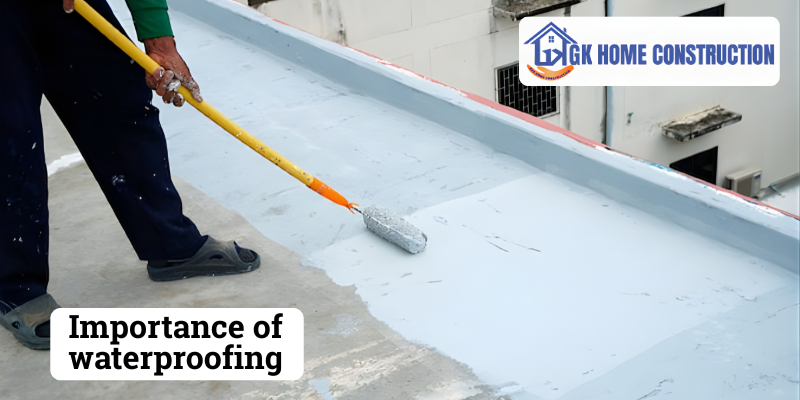
Waterproofing is the process of protecting building surfaces and structural elements from unwanted water penetration. Waterproofing systems can be applied to areas such as foundations, basements, bathrooms, balconies, terraces, roof slabs, external walls, and other moisture-prone locations.
Depending on the location and construction requirements, different waterproofing solutions may be selected, including cementitious waterproofing, liquid waterproofing, polyurethane waterproofing, bituminous membrane waterproofing, and other specialized systems.
Why Is Waterproofing Important for a New House?
1. Prevents Water Seepage
One of the primary benefits of waterproofing is preventing water from entering walls, slabs, floors, and other building components. Water seepage can result from rainfall, plumbing leaks, bathroom moisture, terrace exposure, or groundwater.
A properly designed waterproofing system creates a protective barrier that minimizes water movement into vulnerable areas.
2. Protects the Building Structure
Continuous exposure to moisture can affect concrete and reinforcement over time. Water entering cracks and porous areas can contribute to deterioration and, under suitable conditions, corrosion of reinforcement.
Waterproofing, combined with proper concrete quality, drainage, joint treatment, and crack management, helps protect important structural elements from moisture-related deterioration.
3. Reduces Dampness and Mold Problems
Persistent moisture inside a house can create damp patches, peeling paint, unpleasant odors, and conditions that support mold growth. Waterproofing bathrooms, terraces, external walls, and other vulnerable areas can help reduce moisture entering interior spaces.
Good ventilation and appropriate drainage are also important for maintaining a healthier indoor environment.
4. Protects Interior Finishes
Water leakage can damage wall paint, plaster, false ceilings, wooden elements, flooring, and other interior finishes. Repairing these finishes repeatedly can increase maintenance expenses.
Proper waterproofing during construction provides an additional layer of protection and helps reduce the risk of premature damage to interior surfaces.
Key Areas That Need Waterproofing
Waterproofing should be planned according to the building design and site conditions. Common areas include:
- Foundation and basement: Protection against soil moisture and groundwater.
- Bathrooms: Protection beneath floors and around wet areas.
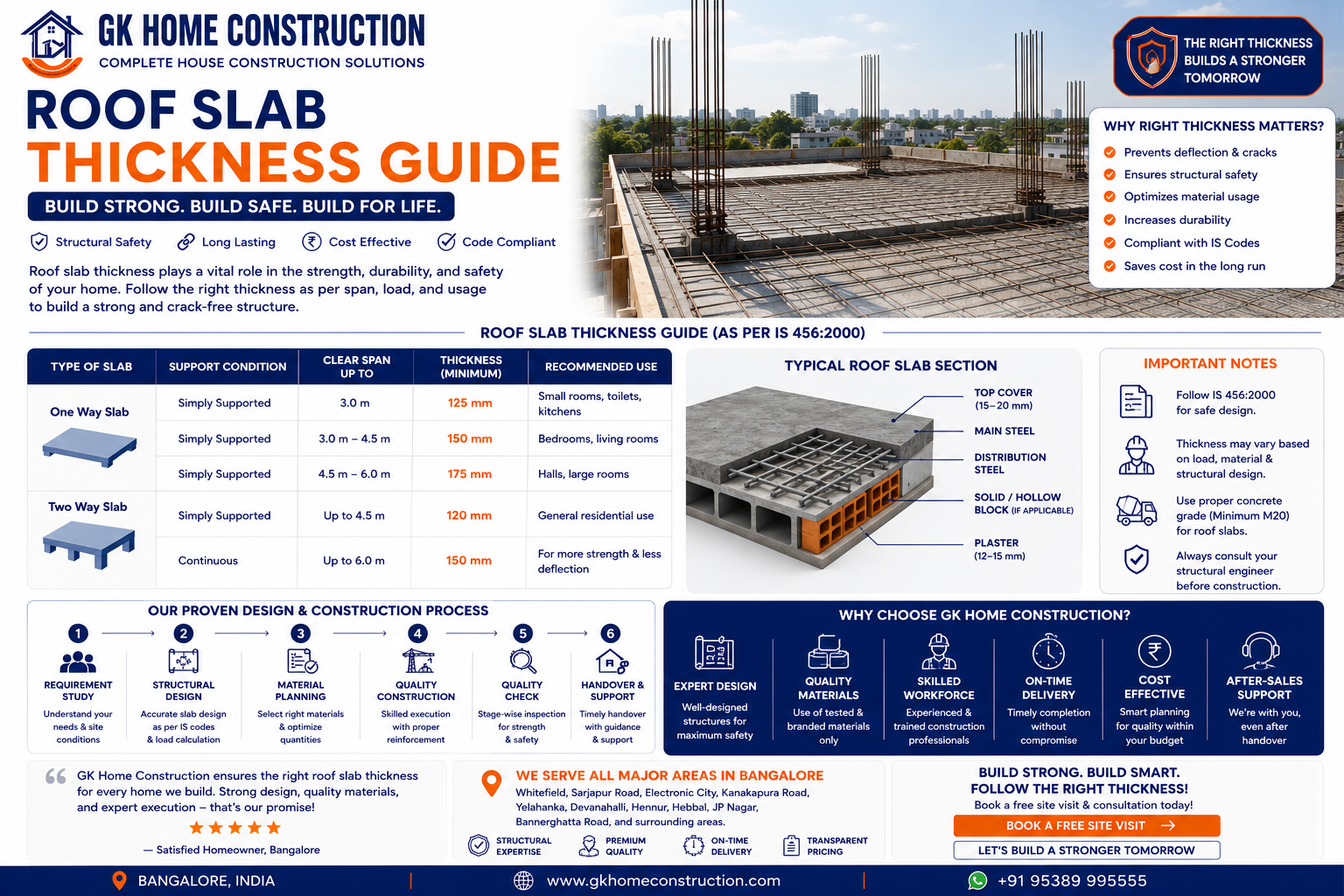
- Terraces and roof slabs: Protection from rainwater and standing water.
- Balconies: Prevention of water penetration through exposed slabs.
- External walls: Helps control rainwater penetration and dampness.
- Parapet walls and joints: Important areas where water can enter through cracks and junctions.
- Sunshades: Protection against rainwater accumulation and seepage.
Waterproofing During Construction vs. After Leakage
Installing waterproofing during house construction is generally easier because surfaces and structural details can be treated before they are covered by tiles, plaster, flooring, or other finishes.
Post-construction waterproofing may still be possible, but identifying the actual source of leakage can require inspection and appropriate repair work. Simply covering a damp patch with paint may not solve the underlying water-entry problem.
Therefore, waterproofing should be incorporated into the construction plan from the beginning.
Choosing the Right Waterproofing System
There is no single waterproofing material suitable for every part of a house. The selection depends on factors such as surface type, exposure to water, movement or cracking, drainage conditions, accessibility, and the intended finish.
For example, cementitious systems may be used for certain concrete and wet-area applications, while polyurethane and liquid-applied systems can be suitable for specific exposed surfaces. Bituminous membranes are also used in selected applications where membrane-based protection is appropriate.
Professional assessment is important before choosing a waterproofing system.
Common Waterproofing Mistakes to Avoid
Several construction mistakes can reduce waterproofing performance:
- Inadequate surface preparation
- Poor treatment of cracks and joints
- Incorrect slope on terraces and balconies
- Blocked or insufficient drainage
- Improper application thickness
- Ignoring pipe penetrations and corners
- Applying waterproofing over unsuitable or contaminated surfaces
- Not following the manufacturer's application requirements.
- Skipping inspection and testing before covering the treated surface
Waterproofing as a Long-Term Home Investment
Waterproofing is not simply an additional construction expense. It is an important part of protecting a home's structure, finishes, comfort, and long-term maintenance requirements. Addressing water-related problems early can help homeowners avoid repeated repairs and disruption.
For a new home, waterproofing should be coordinated with structural work, plumbing, drainage, flooring, and finishing activities. Proper detailing at joints, corners, pipe penetrations, and changes in levels is particularly important.
Conclusion
The importance of waterproofing in house construction goes beyond preventing visible leakage. A well-planned waterproofing system helps protect foundations, roof slabs, bathrooms, terraces, balconies, walls, and interior finishes from moisture-related problems. For homeowners constructing a house in Bangalore, selecting the appropriate waterproofing method and ensuring proper application can contribute to better durability and reduced maintenance requirements.