How Innovation Is Transforming Civil Contracting Companies in Bangalore
Bangalore is one of India’s fastest-growing cities, with continuous development in residential buildings, villas, commercial spaces, IT campuses, infrastructure and redevelopment projects. As construction projects become more complex, civil contracting companies in Bangalore are increasingly adopting technology and innovative methods to improve quality, productivity, safety and project transparency.
Traditional construction depended heavily on manual measurements, paper drawings, physical inspections and experience-based decision-making. Today, technologies such as Building Information Modeling (BIM), artificial intelligence, drones, cloud-based project management, IoT sensors, and digital quality-control systems are changing how construction projects are planned and executed. Industry events in Bengaluru are also increasingly focusing on BIM, connected construction, digital twins and AI-powered project controls.
For homeowners and developers, this transformation means better planning, improved communication and greater visibility throughout the construction process.
1. BIM Is Improving Construction Planning

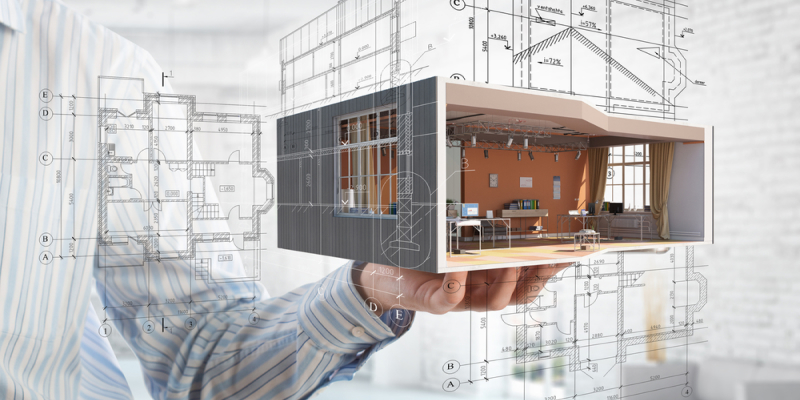
Building Information Modeling (BIM) is one of the most important innovations transforming modern construction. Instead of relying only on separate 2D drawings, BIM creates a coordinated digital model containing architectural, structural and MEP information.
For civil contractors, BIM can help identify potential design conflicts before work begins on-site. It can also support quantity estimation, construction planning and coordination between architects, structural engineers and contractors.
BIM adoption is becoming increasingly relevant in Bangalore's construction ecosystem, with local industry discussions focusing on BIM-based design transformation and connected construction.
For a homeowner, this can mean fewer surprises during construction and a better understanding of how the finished building will look and function.
2. AI Is Making Construction Management Smarter

Artificial intelligence is moving beyond traditional industries and becoming increasingly relevant to construction management.
AI-powered systems can analyze project information, images, and site data to identify potential issues, monitor progress, and support decision-making. Computer vision can also help compare actual site conditions with planned construction.
For example, AI-based construction platforms are being used to monitor construction progress and provide data-driven insights from active sites.
For civil contracting companies in Bangalore, AI can become particularly useful for:
- Monitoring construction progress
- Identifying deviations from drawings
- Detecting quality issues
- Tracking productivity
- Improving safety monitoring
- Supporting project forecasting
- Maintaining digital construction records
The goal is not to replace engineers and skilled workers but to give them better information for making decisions.
3. Drone Technology Is Improving Site Monitoring

Large construction sites can be difficult to inspect manually from every angle. Drones provide contractors with aerial photographs, videos, and survey information that can make site monitoring more efficient.
Drones can be used for:
- Site surveys
- Progress photography
- Roof and structural inspections
- Land measurement
- Stockpile monitoring
- Safety observation
- Project documentation
Construction technology companies in India are already combining drones, cameras, AI and cloud platforms for project monitoring.
For a Bangalore civil contractor, regular drone documentation can provide project stakeholders with a clearer picture of actual site progress.
4. Cloud-Based Project Management Improves Communication

Construction involves many stakeholders, including homeowners, architects, structural engineers, civil contractors, electricians, plumbers, carpenters and suppliers.
When information is maintained through paper documents, WhatsApp messages and separate spreadsheets, important updates can easily be missed.
Cloud-based construction management platforms provide a centralized environment where teams can manage drawings, schedules, tasks, reports, photographs and project documentation.
This creates a more connected workflow between the office and construction site. Digital project delivery is increasingly being promoted as a way to improve collaboration, streamline workflows and provide real-time project information.
For homeowners, this can make it easier to understand what has been completed, what is currently being executed, and what comes next.
5. IoT Is Bringing Real-Time Information to Construction Sites

The Internet of Things (IoT) connects physical devices and sensors to digital systems.
In construction, sensors can potentially monitor conditions such as temperature, humidity, equipment activity, and other site parameters. This information can help contractors understand site conditions and respond to problems more quickly.
IoT is also being integrated with construction monitoring systems alongside AI and drones.
For specialized projects, these technologies can contribute to better safety, quality monitoring and resource management.
6. Digital Quality Control Is Reducing Dependence on Paper
Quality control is a critical part of civil construction. Traditionally, site engineers used paper checklists, physical registers and manual reports.
Digital quality systems can replace much of this paperwork with:
- Digital inspection checklists
- Site photographs
- Task assignments
- Issue tracking
- Approval records
- Quality reports
- Real-time documentation
Modern construction companies are adopting image-based tracking, digital checklists and role-based workflows to improve accountability and issue resolution.
This is particularly valuable for residential construction, where maintaining records of waterproofing, reinforcement, concrete work, masonry, plumbing and electrical work can improve project transparency.
7. 3D Visualization Is Changing Client Communication

Another important innovation is the growing use of 3D architectural visualization and digital models.
A homeowner may find it difficult to understand a technical 2D floor plan. A 3D model can provide a much clearer representation of rooms, elevations, materials, and spatial relationships.
Before construction begins, clients can review design concepts and make informed decisions about:
- Floor plans
- Room layouts
- Exterior elevations
- Kitchen designs
- False ceilings
- Flooring
- Lighting
- Furniture layouts
- Interior finishes
This can reduce misunderstandings between the client and construction team.
8. Technology Is Helping Contractors Control Costs
Cost management is one of the biggest challenges in construction. Material price fluctuations, wastage, design changes and delays can affect the original budget.
Digital estimation and project management systems can help contractors track quantities, procurement, expenses and project progress.
When BIM and digital project controls are integrated into the construction workflow, contractors can connect design information with quantities, schedules and cost-related decisions.
For homeowners looking for house construction in Bangalore, better cost tracking can provide greater visibility into where project funds are being utilized.
9. Innovation Is Improving Construction Safety
Construction safety is another area where technology can make a significant difference.
Drones, AI-based visual monitoring, digital safety checklists and connected sensors can help identify unsafe conditions and improve reporting.
AI-powered monitoring systems are already being used for safety-related observations such as PPE compliance and site blind spots.
However, technology should support—not replace—qualified engineers, supervisors and trained workers. Proper safety procedures, personal protective equipment and on-site supervision remain essential.
10. Sustainable Construction Is Becoming More Important
Innovation is also changing how contractors approach sustainability.
Modern construction companies are increasingly looking at:
- Energy-efficient building designs
- Better material utilization
- Reduced construction waste
- Water conservation
- Sustainable materials
- Efficient building services
- Improved natural lighting and ventilation
Digital planning can help contractors identify opportunities to reduce material waste and improve resource utilization before and during construction.
For Bangalore homeowners, sustainable construction can also contribute to better long-term comfort and operating efficiency.
What Does This Mean for Homeowners in Bangalore?
Technology alone does not guarantee a successful construction project. The real benefit comes when experienced civil contractors combine technology with engineering knowledge, skilled workmanship, and proper project management.
When selecting a civil contracting company in Bangalore, homeowners should consider whether the contractor provides:
- Detailed architectural and structural planning
- Transparent estimation
- Digital project documentation
- Regular site updates
- Quality-control procedures
- Experienced site engineers
- Proper material management
- Safety practices
- Clear construction schedules
- Professional communication
A technology-enabled contractor can provide better visibility, but technology should always be supported by strong construction expertise.
The Future of Civil Contracting in Bangalore
The future of civil contracting will increasingly combine engineering expertise with digital technology. BIM, AI, drones, IoT, cloud platforms, digital twins and automated reporting are gradually creating more connected construction workflows.
Bangalore is already an important center for construction technology, with companies and industry forums exploring AI, BIM, digital twins, IoT and data-driven project delivery.
For civil contracting companies, adopting innovation is no longer simply about using the latest software. It is about creating a more organized, transparent and efficient construction process.
For homeowners, this transformation can mean better planning, clearer communication, improved quality control and greater confidence from the first drawing to final handover.
In the coming years, the most successful civil contracting companies in Bangalore will likely be those that combine traditional construction knowledge with modern technology to deliver smarter, safer and more reliable buildings.