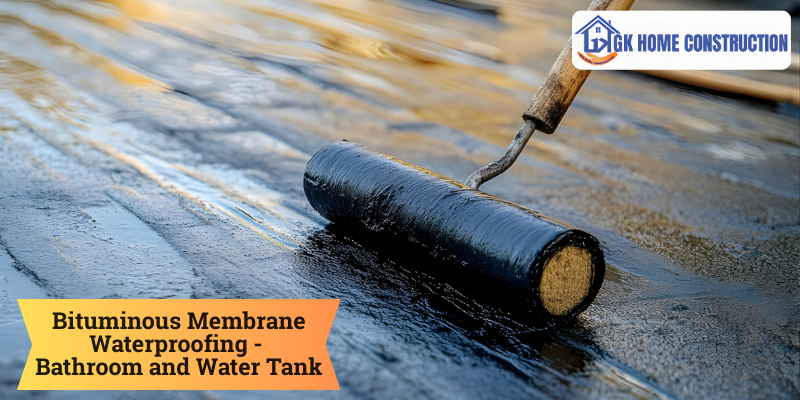
What Is Bituminous Membrane Waterproofing
One of the most popular waterproofing techniques for both residential and commercial buildings is bituminous membrane waterproofing. It is made of bitumen, an asphalt-based substance, mixed with polymers to improve water resistance, flexibility, and durability. Usually provided in roll form, these membranes are put via torch-on (heat-applied), self-adhesive, or cold-applied techniques to flat or low-slope surfaces. Water cannot enter a building's structural components thanks to bituminous membranes, which provide a constant waterproof barrier.
Types of Bituminous Membranes
APP (Atactic Polypropylene) and SBS (Styrene-Butadiene-Styrene) modified membranes are the two primary categories of bituminous membranes. APP membranes are appropriate for exposed roofs because of their superior resilience to UV radiation and high temperatures. Because they are more elastic, SBS membranes work well in regions where temperature changes or structural movement occur. The selection of these varieties is contingent upon surface exposure, climate conditions, and application needs.
Advantages of Bituminous Membrane Waterproofing
The exceptional waterproofing performance of bituminous membrane waterproofing is one of its main benefits. For terraces, basements, podium slabs, and foundations, it offers a seamless and long-lasting barrier against water intrusion. Long-term protection is ensured by the membrane's high tensile strength and strong puncture resistance. Additionally, it works effectively in damp places where continuous exposure to water is anticipated. When properly built, bituminous membranes can survive for many years with minimal maintenance, offering cost-effective waterproofing over the long run.
Durability and Weather Resistance
Bituminous membranes can withstand a wide range of environmental conditions, including rain, humidity, and mild temperature swings. Because APP membranes can tolerate greater surface temperatures, they work particularly effectively in hot climates like India. These membranes are appropriate for subterranean constructions like basements and retaining walls since they are resistant to mild acids and soil chemicals.
Limitations of Bituminous Membrane Waterproofing
Bituminous membrane waterproofing is effective, although it has certain drawbacks. Because inappropriate heating might harm the membrane or create fire hazards, torch-applied membranes require skilled personnel and stringent safety precautions. Screed, tiles, or reflecting coatings can prevent bitumen-based materials from becoming brittle over time if they are exposed to UV radiation on a regular basis. Additionally, compared to liquid waterproofing systems, the membrane is comparatively heavier, which may increase the structure's stress.
Application Challenges and Maintenance
When applying bituminous membranes, surface preparation is essential. Any unevenness, wetness, or dust can interfere with bonding and lessen its efficacy. Because leaks are frequently invisible on the surface and may necessitate partial membrane removal, repairs can be difficult. Furthermore, because it can be challenging to achieve a flawless surface, bituminous membranes are not the best choice for areas with intricate curves, corners, or detailing.
Suitable Areas of Application
For flat roofs, terraces, basements, foundations, podium slabs, and retaining walls, bituminous membrane waterproofing works best. It works particularly well in places where surface movement is constrained and robust waterproofing protection is needed. However, other techniques like liquid waterproofing membranes might be more useful for bathrooms, balconies with numerous outlets, or uneven surfaces.
Conclusion
For many structural applications, bituminous membrane waterproofing is a tried-and-true option. It is a popular option in the construction sector because of its strength, durability, and exceptional water resistance. To overcome its restrictions, however, careful installation, expert craftsmanship, and protective finishing are crucial. In both residential and commercial buildings, bituminous membranes offer durable protection and good value when properly chosen and applied.