Bituminous Membrane Waterproofing: Pros and Cons
Bituminous membrane waterproofing is a widely used method for protecting roofs, terraces, basements, foundations, podiums, and other building surfaces from water penetration. It uses a waterproof membrane made from bitumen, usually reinforced with materials such as polyester or fiberglass, to create a continuous protective layer over the surface.
For residential and commercial construction, bituminous membrane waterproofing can provide reliable protection when the right membrane, surface preparation, installation method, and detailing are selected. However, like every waterproofing system, it also has limitations. Understanding its advantages and disadvantages helps property owners and builders choose an appropriate waterproofing solution.
What Is Bituminous Membrane Waterproofing?

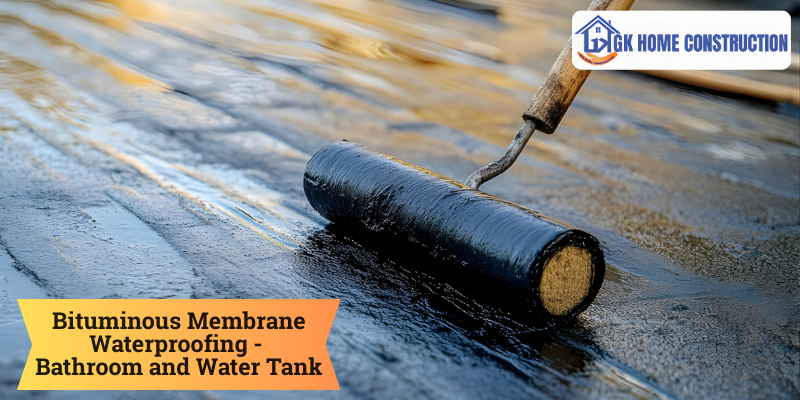
Bituminous membrane waterproofing involves installing sheets or rolls of modified bitumen membrane over a prepared surface. Depending on the product, the membrane may be applied using a torch, self-adhesive backing, cold adhesive, or other approved installation methods.
Modified bitumen membranes are commonly produced using polymers such as SBS (Styrene-Butadiene-Styrene) or APP (Atactic Polypropylene). These modifications can improve flexibility, temperature resistance, durability, and performance compared with conventional bitumen.
The membrane is installed with overlapping joints, and particular attention is given to corners, parapet walls, drains, pipe penetrations, construction joints, and other vulnerable areas.
Pros of Bituminous Membrane Waterproofing
1. Strong Waterproofing Protection
2. Good Durability
3. Suitable for Different Applications

- Terrace and roof waterproofing
- Roof slab waterproofing
- Basement waterproofing
- Foundation waterproofing
- Podium waterproofing
- Parking deck applications
- Retaining walls
- Underground structures
5. Good Resistance to Moisture
One of the main advantages of bituminous membrane waterproofing is its ability to create a continuous water-resistant barrier. When correctly installed, the membrane can significantly reduce water penetration through concrete roofs, terraces, foundations, and other exposed or below-ground areas.
High-quality modified bitumen membranes can provide long-term waterproofing performance when properly installed and maintained. Their resistance to moisture and environmental exposure makes them suitable for many construction applications.
The actual service life depends on membrane quality, installation workmanship, exposure conditions, substrate movement, drainage, maintenance, and the specific application.
Bituminous membranes can be used in several areas of construction, including:
This versatility makes the system useful for both residential and commercial projects.
Some modified bitumen membranes have improved flexibility compared with traditional bitumen. This can help the waterproofing layer accommodate limited thermal movement and minor substrate movement.
However, proper joint treatment and crack repair remain essential because waterproofing membranes should not be expected to compensate for significant structural movement.
Bituminous membranes are designed to resist water and moisture exposure. They can be particularly useful where surfaces experience repeated wetting, provided the membrane is selected for the environmental conditions and installed according to the manufacturer's specifications.
Cons of Bituminous Membrane Waterproofing
1. Installation Requires Skilled Workers
2. Torch-Applied Systems Involve Fire Risk
3. Difficult to Locate Small Leakage Points
4. Vulnerable to Mechanical Damage
5. Surface Preparation Is Critical
The performance of a bituminous membrane system depends heavily on installation quality. Incorrect overlaps, inadequate bonding, poor surface preparation, or improper detailing can create leakage points.
Professional installation is therefore important, especially around drains, corners, pipe penetrations, parapets, and joints.
Torch-applied membranes require heating the underside of the membrane during installation. This introduces a fire and heat hazard, particularly around combustible materials, insulation, stored materials, and occupied buildings.
Appropriate safety procedures and trained installers are essential when using torch-applied systems.
A membrane may cover a relatively large area, and water can sometimes travel beneath or along the waterproofing layer before becoming visible at another location. As a result, identifying the exact source of a leak may require detailed inspection.
Good installation, drainage design, joint treatment, and quality control can reduce this problem.
Bituminous membranes can be damaged by sharp objects, construction activity, drilling, or heavy traffic if they are not adequately protected. Protective screeds, tiles, insulation, or other suitable protection may be required depending on the application.
The substrate generally needs to be clean, dry, stable, and appropriately prepared before membrane installation. Dust, loose particles, moisture, uneven surfaces, and untreated cracks can negatively affect adhesion and waterproofing performance.
Bituminous Membrane vs Other Waterproofing Systems
Bituminous membrane waterproofing is not automatically suitable for every project. Liquid-applied waterproofing, cementitious waterproofing, polyurethane systems, and other membrane technologies may be more appropriate depending on the surface, exposure, accessibility, movement, and project requirements.
For example, complicated surfaces with many details may require a system that can form a seamless coating, while large and relatively accessible roof areas may be suitable for sheet membrane systems.
How to Get Better Results

Successful bituminous membrane waterproofing starts with proper assessment and preparation. The substrate should be inspected for cracks, structural movement, slope, drainage problems, and existing waterproofing failures.
Membrane specifications should be selected according to the application rather than choosing solely on price. Correct overlaps, edge termination, flashing, drainage outlets, pipe penetrations, and protection layers should also be addressed during installation.
Regular inspection is useful for identifying damaged areas, blocked drains, exposed membrane, and other conditions that could affect waterproofing performance.
Conclusion
Bituminous membrane waterproofing offers several advantages, including strong moisture resistance, durability, flexibility in modified formulations, and suitability for roofs, terraces, basements, foundations, and other construction areas. At the same time, it requires skilled installation, careful detailing, appropriate surface preparation, and protection from mechanical damage.
The right waterproofing system should be selected based on the building structure, exposure conditions, surface characteristics, drainage, movement, and intended use. Proper material selection and professional installation can make bituminous membrane waterproofing a practical option for long-term building protection.